
 EN
EN
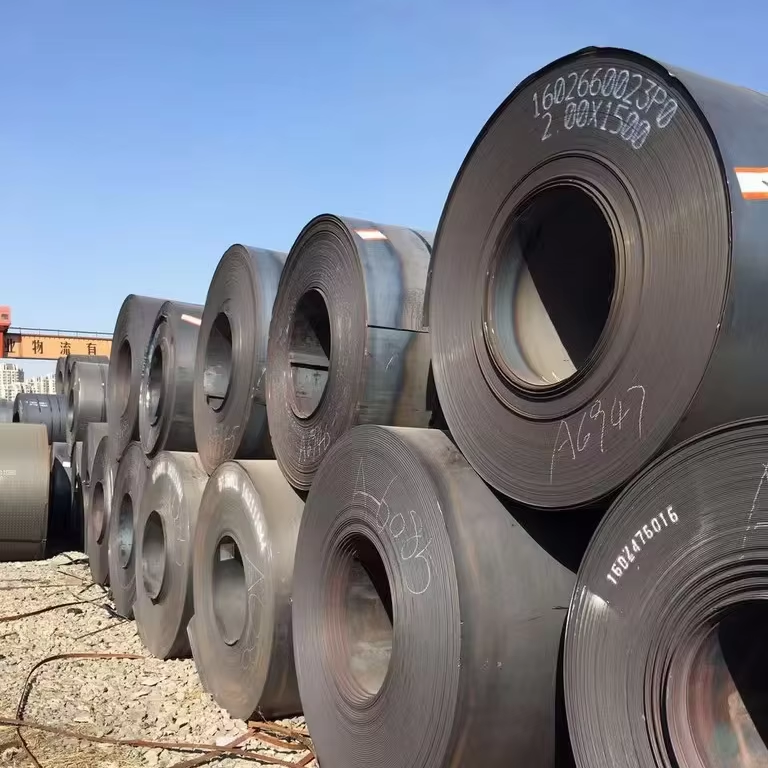
The construction and manufacturing industries rely heavily on understanding the fundamental characteristics that define material performance and application suitability. When selecting materials for structural projects, engineers and procurement specialists must evaluate numerous factors that influence both immediate functionality and long-term durability. The comprehensive assessment of material properties ensures optimal project outcomes while maintaining cost-effectiveness and regulatory compliance across diverse industrial applications.
Material Composition and Grade Classifications
Austenitic Grade Properties
Austenitic grades represent the most widely utilized category in industrial applications, characterized by their non-magnetic properties and exceptional corrosion resistance. These materials contain high levels of chromium and nickel, typically ranging from 18-20% chromium and 8-12% nickel content. The austenitic structure provides superior ductility and formability, making these grades ideal for complex fabrication processes. Common grades within this classification include 304, 316, and 321, each offering distinct advantages for specific environmental conditions and mechanical requirements.
The microstructural stability of austenitic grades ensures consistent performance across temperature variations, maintaining mechanical properties from cryogenic conditions to elevated service temperatures. This thermal stability makes austenitic materials particularly valuable in chemical processing equipment, food service applications, and architectural components. The work-hardening characteristics of these grades allow for strength enhancement through cold working processes while retaining excellent toughness properties.
Ferritic and Martensitic Characteristics
Ferritic grades offer magnetic properties and enhanced resistance to stress corrosion cracking compared to austenitic varieties. These materials typically contain 12-30% chromium with minimal nickel content, resulting in lower material costs while maintaining adequate corrosion resistance for many applications. The ferritic structure provides good thermal conductivity and low thermal expansion coefficients, making these grades suitable for heat exchanger applications and automotive exhaust systems.
Martensitic grades provide the highest strength levels among standard classifications through heat treatment processes. These materials can achieve tensile strengths exceeding 1000 MPa when properly quenched and tempered. The hardenable nature of martensitic grades makes them ideal for cutting tools, surgical instruments, and high-wear applications where strength and hardness are primary considerations.
Mechanical Property Specifications
Strength and Hardness Characteristics
Tensile strength represents a critical parameter in material selection, indicating the maximum stress a material can withstand before failure. Standard testing procedures following ASTM specifications provide reliable data for comparing different grades and thicknesses. Yield strength values determine the stress level at which permanent deformation begins, establishing safe working loads for structural applications. Understanding stainless steel plate attributes includes recognizing how thickness variations affect these fundamental strength properties.
Hardness measurements using Rockwell, Brinell, or Vickers scales provide insight into wear resistance and machinability characteristics. Higher hardness values typically correlate with increased wear resistance but may reduce formability and impact toughness. The relationship between hardness and other mechanical properties varies among different grade classifications, requiring careful consideration during material selection processes.
Fatigue and Impact Resistance
Fatigue resistance determines material performance under cyclic loading conditions, particularly important in dynamic applications such as aerospace components and machinery parts. The endurance limit represents the stress level below which infinite fatigue life can be expected under specific testing conditions. Surface finish quality, residual stress patterns, and environmental factors significantly influence fatigue performance in service applications.
Impact resistance, measured through Charpy V-notch testing, evaluates material toughness at various temperatures. This property becomes critical in applications where sudden loading or shock conditions may occur. The transition temperature range indicates where materials shift from ductile to brittle behavior, establishing minimum service temperature limits for safe operation.
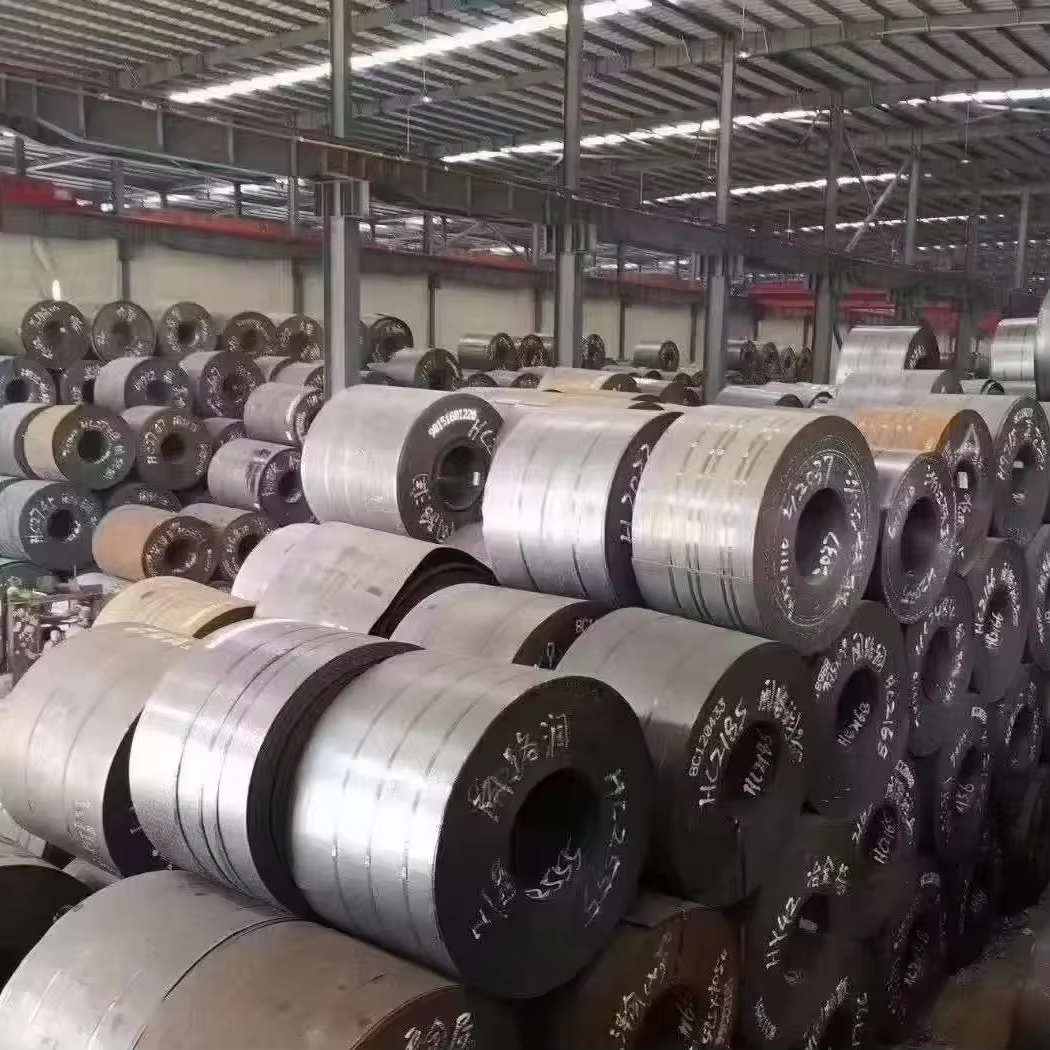
Corrosion Resistance Mechanisms
Passive Layer Formation
The exceptional corrosion resistance stems from the formation of a thin, invisible passive layer on the surface when exposed to oxygen-containing environments. This chromium oxide layer self-repairs when damaged, providing continuous protection against corrosive attack. The minimum chromium content of 10.5% enables this passive behavior, though higher chromium levels enhance resistance to more aggressive environments.
Molybdenum additions in grades such as 316 significantly improve resistance to chloride-induced pitting and crevice corrosion. The molybdenum content typically ranges from 2-3% in these enhanced grades, providing superior performance in marine environments and chloride-containing process streams. The synergistic effect of chromium, nickel, and molybdenum creates robust protection against various corrosive media.
Environmental Resistance Factors
Temperature effects on corrosion resistance vary significantly among different grades and environmental conditions. Elevated temperatures generally accelerate corrosion rates, though certain grades maintain acceptable resistance levels at temperatures exceeding 800°C in oxidizing atmospheres. The formation of sigma phase at intermediate temperatures can reduce both corrosion resistance and toughness properties.
Chemical compatibility assessments must consider pH levels, chloride concentrations, and the presence of other aggressive ions in service environments. The pitting resistance equivalent number provides a comparative measure of localized corrosion resistance among different grades. This calculated value incorporates chromium, molybdenum, and nitrogen content to predict relative performance in chloride environments.
Manufacturing and Processing Considerations
Hot Rolling and Cold Working Effects
Hot rolling processes produce plates with scaled surfaces that require descaling treatments to achieve acceptable surface quality. The hot rolling temperature range affects grain structure development and final mechanical properties. Controlled cooling rates during hot rolling influence precipitation behavior and corrosion resistance characteristics. The resulting microstructure determines subsequent processing requirements and achievable surface finishes.
Cold working operations increase strength and hardness while reducing ductility and impact toughness. The work hardening rate varies among different grades, with austenitic types showing rapid strength increases during initial deformation stages. Cold rolled surfaces provide superior surface quality and dimensional tolerances compared to hot rolled conditions, though at higher material costs.
Heat Treatment and Annealing Processes
Solution annealing treatments dissolve carbides and relieve residual stresses while establishing optimal corrosion resistance properties. The annealing temperature range varies among grades, typically falling between 1000-1150°C for austenitic types. Rapid cooling following annealing prevents carbide precipitation that could reduce corrosion resistance and impact toughness.
Stress relief treatments at temperatures below the annealing range can reduce residual stresses without significantly affecting other properties. These treatments become particularly important for welded structures where residual stresses might contribute to stress corrosion cracking susceptibility. The heating and cooling rates during stress relief operations must be carefully controlled to avoid adverse microstructural changes.
Surface Finish Classifications
Mill Finish Standards
Hot rolled mill finish surfaces exhibit characteristic scale patterns resulting from high-temperature processing conditions. These surfaces require mechanical or chemical descaling for applications demanding improved appearance or corrosion resistance. The 2D finish represents the standard hot rolled and annealed condition with a matte appearance suitable for industrial applications where surface quality is not critical.
Cold rolled finishes provide smoother surfaces with improved dimensional accuracy and surface quality. The 2B finish represents the standard cold rolled and annealed condition with a smooth, moderately reflective appearance. This finish serves as the starting point for further surface treatments and provides acceptable quality for many architectural and food service applications.
Polished and Specialty Finishes
Mechanical polishing operations produce increasingly refined surface textures designated by numerical classifications from 3 through 8. Each progressive number represents finer abrasive grits and improved surface smoothness. The 4 finish provides a general-purpose brushed appearance suitable for architectural trim and food equipment applications. Higher numbered finishes approach mirror-like reflectivity for decorative and high-cleanliness applications.
Electropolishing treatments remove surface material through controlled anodic dissolution, creating extremely smooth surfaces with enhanced corrosion resistance. This process removes embedded contaminants and work-hardened surface layers while maintaining dimensional accuracy. Electropolished surfaces exhibit superior cleanability and reduced bacterial adhesion, making them ideal for pharmaceutical and biotechnology applications.
Quality Control and Testing Standards
Chemical Composition Verification
Chemical analysis procedures verify compliance with specified grade requirements through various analytical techniques. X-ray fluorescence spectroscopy provides rapid elemental analysis for production control purposes. Wet chemical methods offer higher accuracy for critical applications requiring precise composition verification. The carbon content particularly affects corrosion resistance and mechanical properties, requiring careful control during production.
Trace elements such as sulfur and phosphorus significantly influence hot workability and surface quality characteristics. Maximum limits for these elements ensure adequate formability and freedom from surface defects during processing operations. Nitrogen additions in certain grades enhance strength properties while maintaining adequate ductility levels for forming operations.
Dimensional and Surface Quality Assessment
Thickness tolerances follow established standards ensuring consistency for fabrication and design purposes. Flatness specifications limit deviation from true plane surfaces, particularly important for structural applications requiring precise fit-up conditions. Edge quality standards address roughness and straightness parameters affecting subsequent processing operations.
Surface defect evaluation includes assessment of scratches, inclusions, and other discontinuities that might affect performance or appearance. Non-destructive testing methods such as magnetic particle inspection and dye penetrant testing reveal surface-breaking defects. Ultrasonic testing detects internal discontinuities that might compromise structural integrity or pressure vessel applications.
FAQ
What factors determine the appropriate grade selection for specific applications
Grade selection depends on environmental conditions, mechanical requirements, fabrication methods, and cost considerations. Corrosive environments require grades with adequate resistance to specific media, while structural applications prioritize strength and toughness properties. Temperature exposure limits certain grades to appropriate service ranges, and forming requirements influence ductility needs.
How does thickness affect mechanical properties and performance characteristics
Increasing thickness generally reduces strength and impact toughness due to slower cooling rates during processing and potential center-line segregation effects. Thicker sections may require modified heat treatments to achieve uniform properties throughout the cross-section. Corrosion resistance remains largely unaffected by thickness variations within standard product ranges.
What surface treatments enhance corrosion resistance beyond standard mill finishes
Electropolishing removes surface contaminants and work-hardened layers while creating extremely smooth surfaces with enhanced passive layer formation. Passivation treatments using nitric acid solutions optimize the passive layer for maximum corrosion resistance. Specialized coatings provide additional protection in extremely aggressive environments where standard grades prove inadequate.
How do welding operations affect material properties and performance
Welding heat cycles alter microstructure in the heat-affected zone, potentially reducing corrosion resistance and toughness properties. Proper filler metal selection and post-weld treatments restore optimal properties. Sensitization during welding can create susceptibility to intergranular corrosion, requiring stabilized grades or post-weld annealing for critical applications.
Table of Contents
- Material Composition and Grade Classifications
- Mechanical Property Specifications
- Corrosion Resistance Mechanisms
- Manufacturing and Processing Considerations
- Surface Finish Classifications
- Quality Control and Testing Standards
-
FAQ
- What factors determine the appropriate grade selection for specific applications
- How does thickness affect mechanical properties and performance characteristics
- What surface treatments enhance corrosion resistance beyond standard mill finishes
- How do welding operations affect material properties and performance

