
 EN
EN
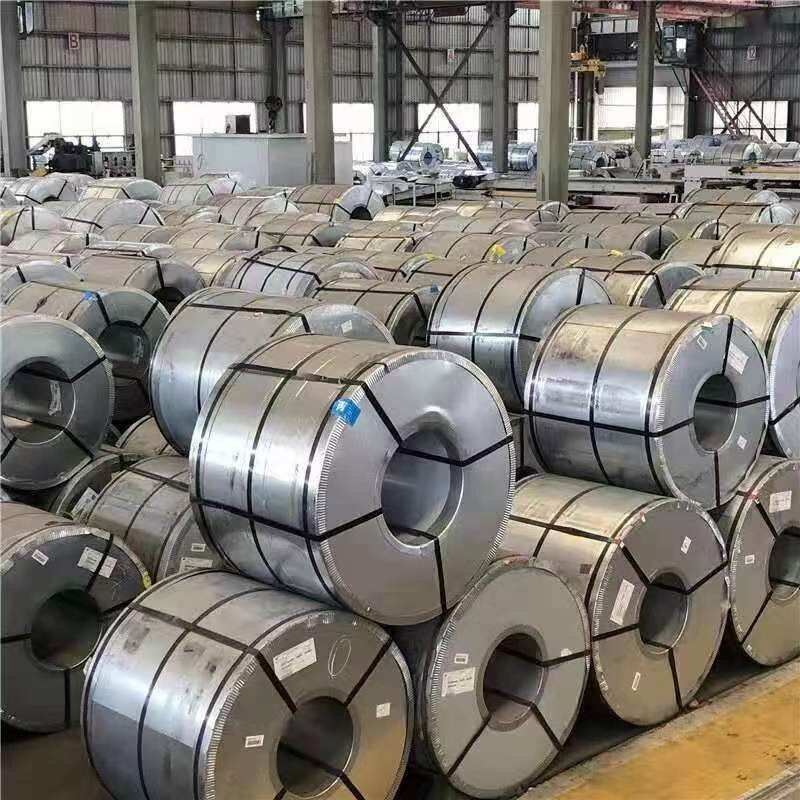
The manufacturing industry relies heavily on steel coils as fundamental building blocks for countless applications across construction, automotive, shipbuilding, and infrastructure development. These cylindrical formations of processed steel represent a critical intermediate product that bridges raw steel production with finished manufacturing components. Understanding the journey from raw material to finished part reveals the intricate processes and quality considerations that make steel coils indispensable in modern industrial operations.
The transformation of raw steel into functional coils involves sophisticated metallurgical processes that determine the final product's mechanical properties, dimensional accuracy, and surface quality. Hot rolling and cold rolling techniques each contribute unique characteristics that influence how these materials perform in downstream manufacturing applications. The selection between different coil types depends on specific end-use requirements, including strength specifications, formability demands, and surface finish standards.
Raw Material Foundation and Steel Production
Iron Ore Processing and Blast Furnace Operations
Steel coil production begins with iron ore extraction and processing in blast furnaces, where raw materials undergo high-temperature reduction to produce molten iron. The quality of input materials directly affects the chemical composition and purity of the final steel product. Iron ore pellets, coke, and limestone combine under controlled atmospheric conditions to remove impurities and achieve desired carbon content levels.
Modern blast furnace technology incorporates advanced monitoring systems that track temperature distribution, gas composition, and material flow rates throughout the reduction process. These parameters influence the metallurgical properties of the resulting iron, which subsequently affects the rolling characteristics and mechanical performance of finished steel coils. Consistent raw material quality ensures predictable processing behavior during subsequent rolling operations.
Steel Refining and Alloy Development
The conversion from molten iron to steel occurs in basic oxygen furnaces or electric arc furnaces, where precise chemical adjustments create specific steel grades tailored for coil applications. Decarburization removes excess carbon while controlled additions of alloying elements like manganese, silicon, and chromium enhance strength, corrosion resistance, and formability characteristics. Temperature control during refining affects grain structure development and influences the steel's response to subsequent rolling processes.
Secondary refining processes further purify the molten steel and fine-tune its chemical composition through ladle metallurgy techniques. Vacuum degassing removes harmful gases and inclusions that could compromise coil quality, while precise temperature management ensures optimal casting conditions. The resulting steel composition determines rolling parameters and final coil properties essential for specific manufacturing applications.
Hot Rolling Process and Coil Formation
Continuous Casting and Slab Preparation
Continuous casting transforms molten steel into solid slabs that serve as feedstock for rolling operations. The casting speed, cooling rate, and mold design significantly impact the internal structure and surface quality of these intermediate products. Proper slab preparation includes surface inspection, dimensional measurement, and preheating to optimal rolling temperatures that ensure uniform deformation during the rolling process.
Slab reheating furnaces bring the material to precise temperatures that facilitate plastic deformation while maintaining metallurgical integrity. Temperature uniformity across slab thickness and length prevents internal stress development and ensures consistent mechanical properties throughout the finished coil. Advanced furnace control systems monitor heating profiles to optimize energy efficiency and product quality simultaneously.
Rolling Mill Configuration and Process Control
Hot rolling mills feature multiple stands arranged in tandem to progressively reduce slab thickness while maintaining controlled deformation rates. Each rolling stand applies specific reduction ratios designed to achieve target thickness while developing desired grain structure and mechanical properties. Roll gap adjustment, rolling speed coordination, and inter-stand cooling systems work together to produce steel coils with consistent dimensional accuracy and metallurgical characteristics.
Process automation systems continuously monitor rolling parameters including force, torque, speed, and temperature to maintain optimal processing conditions. Feedback control mechanisms adjust roll positions and cooling rates in real-time to compensate for variations in material properties or processing conditions. This level of control ensures that finished coils meet stringent quality specifications required for demanding manufacturing applications.
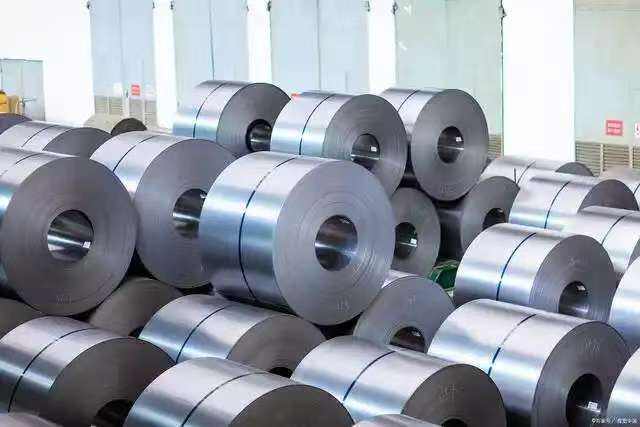
Cold Rolling and Surface Treatment
Pickled and Oiled Preparation
Cold rolling operations begin with surface preparation through pickling processes that remove oxide scale and surface contaminants from hot-rolled coils. Acid solutions dissolve surface oxides while maintaining base metal integrity, creating clean surfaces essential for subsequent cold reduction operations. The pickled surface provides optimal friction conditions for cold rolling and ensures uniform thickness reduction across coil width and length.
Oil application following pickling serves multiple purposes including lubrication during cold rolling, temporary corrosion protection, and surface quality enhancement. The type and application method of protective oils influence rolling behavior and final surface characteristics. Proper oil selection prevents surface defects while facilitating smooth material flow through cold rolling equipment.
Cold Reduction and Annealing Cycles
Cold rolling operations reduce thickness while simultaneously work-hardening the steel through controlled plastic deformation. The reduction ratio, rolling speed, and roll surface condition determine the final mechanical properties and surface finish quality of cold-rolled coils. Multiple pass reductions allow precise thickness control while managing work-hardening effects that could compromise formability in downstream operations.
Annealing heat treatments restore ductility and refine grain structure in work-hardened cold-rolled steel. Controlled heating and cooling cycles recrystallize the deformed grain structure, eliminating internal stresses while achieving desired strength and formability balance. Atmosphere control during annealing prevents surface oxidation and maintains the clean surface finish essential for many end-use applications.
Quality Control and Testing Standards
Dimensional Accuracy and Surface Inspection
Quality assurance protocols for steel coils encompass comprehensive dimensional measurements including thickness variation, width tolerance, and coil geometry parameters. Advanced gauge systems provide continuous thickness monitoring during production, enabling real-time process adjustments to maintain specification compliance. Surface inspection techniques detect potential defects such as scratches, pits, or inclusion-related irregularities that could affect downstream processing or final product performance.
Non-destructive testing methods including ultrasonic inspection and electromagnetic techniques identify internal discontinuities without compromising product integrity. These inspection protocols ensure that coils meet structural integrity requirements for critical applications in construction, automotive, and industrial manufacturing sectors. Statistical process control methods track quality trends and enable proactive adjustments to maintain consistent product quality.
Mechanical Property Verification
Tensile testing protocols verify that steel coils achieve specified strength, elongation, and yield characteristics required for intended applications. Sample preparation and testing procedures follow established standards to ensure reproducible and reliable results. Hardness measurements provide additional verification of mechanical properties and processing effectiveness.
Formability testing evaluates the steel's ability to undergo bending, drawing, and stamping operations without cracking or failure. These tests simulate actual manufacturing conditions and provide confidence that coils will perform satisfactorily in downstream fabrication processes. Chemical analysis confirms alloy composition compliance and identifies any deviations that might affect performance characteristics.
Industrial Applications and End-Use Sectors
Construction and Infrastructure Development
Steel coils serve as primary raw materials for structural components in building construction, bridge fabrication, and infrastructure projects. The material's strength-to-weight ratio and formability enable efficient production of beams, columns, and reinforcement elements essential for modern construction techniques. Coil specifications must align with structural engineering requirements and building code standards to ensure safety and performance in completed structures.
Roofing and cladding applications utilize specially processed coils with enhanced corrosion resistance and surface treatments designed for long-term weather exposure. Pre-painted and galvanized coils provide both structural performance and aesthetic appeal in architectural applications. The ability to form complex profiles from coil stock enables innovative building designs while maintaining cost-effectiveness in material utilization.
Automotive and Transportation Manufacturing
Automotive manufacturers rely on high-strength steel coils for body panels, chassis components, and safety structures that must meet demanding crash performance and fuel efficiency requirements. Advanced high-strength steel grades provide superior energy absorption characteristics while enabling weight reduction through thinner section designs. Coil surface quality and formability directly impact stamping operations and final part quality in automotive production lines.
Transportation equipment including rail cars, shipping containers, and heavy machinery incorporate steel coils in structural frameworks and load-bearing components. The material's fatigue resistance and weldability enable reliable performance under cyclic loading conditions common in transportation applications. Specialized coil grades address specific requirements such as low-temperature toughness for arctic service or enhanced corrosion resistance for marine environments.
Processing Technologies and Innovation
Advanced Rolling Techniques
Modern steel production incorporates innovative rolling technologies that enhance product quality while improving operational efficiency. Flexible rolling schedules adapt to varying product specifications without compromising throughput, while advanced roll cooling systems maintain optimal surface conditions throughout extended production campaigns. These technological advances enable producers to meet increasingly stringent quality requirements while maintaining competitive production costs.
Computer-controlled rolling systems optimize process parameters in real-time based on material properties and target specifications. Predictive algorithms anticipate process variations and implement corrective actions before quality deviations occur. This level of automation ensures consistent product quality while reducing material waste and energy consumption in coil production operations.
Surface Treatment Innovations
Advanced coating technologies extend the service life and expand application possibilities for steel coils through protective and functional surface treatments. Zinc-based coatings provide enhanced corrosion protection, while organic coatings offer color options and additional environmental resistance. Coating application processes must coordinate with coil handling and processing requirements to maintain coating integrity throughout downstream operations.
Emerging surface treatment technologies include nano-structured coatings and plasma-enhanced deposition techniques that provide superior performance characteristics. These innovations address specific application challenges such as extreme temperature resistance, chemical compatibility, or specialized friction properties. The integration of advanced surface treatments with traditional steel coil production requires careful process coordination and quality control measures.
FAQ
What factors determine steel coil selection for specific applications
Steel coil selection depends on mechanical property requirements including strength, ductility, and formability characteristics needed for the intended manufacturing process. Surface finish specifications, dimensional tolerances, and corrosion resistance requirements also influence material selection. Application-specific factors such as operating temperature range, loading conditions, and environmental exposure determine the optimal steel grade and processing treatment for each use case.
How do hot-rolled and cold-rolled steel coils differ in properties and applications
Hot-rolled coils typically exhibit higher strength but lower surface quality compared to cold-rolled products, making them suitable for structural applications where surface appearance is less critical. Cold-rolled coils offer superior dimensional accuracy, better surface finish, and enhanced formability, making them preferred for automotive body panels and appliance manufacturing. The choice between hot-rolled and cold-rolled materials depends on the balance between performance requirements and cost considerations for each specific application.
What quality standards apply to steel coil production and testing
Steel coil production follows international standards such as ASTM, EN, and JIS specifications that define chemical composition limits, mechanical property requirements, and testing procedures. Quality control protocols include dimensional inspection, surface examination, mechanical testing, and chemical analysis to ensure compliance with applicable standards. Certification processes document product conformance and provide traceability throughout the supply chain from production through end-use applications.
How does steel coil processing affect downstream manufacturing operations
Steel coil processing parameters directly influence formability, weldability, and surface quality characteristics that affect downstream manufacturing efficiency and final product quality. Proper coil preparation including edge trimming, surface cleaning, and dimensional control ensures smooth material flow through stamping, roll forming, and fabrication equipment. Consistent coil properties reduce setup time and minimize material waste in downstream operations while improving final product quality and manufacturing productivity.

