
 EN
EN
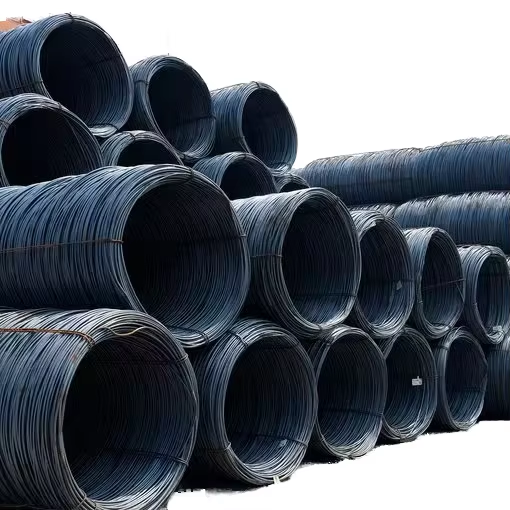
Steel building trusses represent one of the most critical structural components in modern construction, providing essential support for roofs, floors, and entire building frameworks. These engineered steel assemblies offer unparalleled strength-to-weight ratios, making them indispensable for commercial, industrial, and residential projects. The versatility of steel building trusses allows architects and engineers to create expansive open spaces without the need for intermediate support columns, revolutionizing how we approach structural design. As construction demands evolve toward more efficient and sustainable building methods, understanding the comprehensive benefits and diverse applications of these structural elements becomes increasingly important for industry professionals.
Fundamental Advantages of Steel Truss Systems
Superior Strength and Load Distribution
The triangular geometry inherent in truss design creates an exceptionally stable structure that efficiently distributes loads across multiple connection points. Steel building trusses leverage this geometric advantage while incorporating the inherent strength properties of steel, resulting in systems capable of spanning great distances with minimal material usage. The load distribution characteristics allow these structures to handle both dead loads from the building itself and live loads from wind, snow, and seismic forces with remarkable efficiency.
Each member within a steel truss system works in either pure tension or compression, eliminating the complex bending moments that plague other structural systems. This principle enables engineers to optimize material usage by selecting appropriate steel sections for each specific loading condition. The result is a highly efficient structural system that maximizes performance while minimizing material costs and overall building weight.
Economic Benefits and Cost Effectiveness
The economic advantages of steel building trusses extend far beyond initial material costs, encompassing reduced labor requirements, faster installation times, and long-term maintenance savings. Prefabricated truss systems arrive at construction sites ready for installation, significantly reducing on-site labor requirements and construction timelines. This efficiency translates directly into cost savings for project owners and contractors alike.
The durability and longevity of properly designed and maintained steel trusses provide exceptional value over the building's lifetime. Unlike timber alternatives that may suffer from decay, insect damage, or dimensional instability, steel trusses maintain their structural integrity for decades with minimal maintenance requirements. The recyclability of steel also contributes to the overall economic value proposition, as end-of-life steel components retain significant material value.
Design Flexibility and Architectural Applications
Spanning Capabilities and Open Space Creation
Modern steel building trusses enable architects to create vast unobstructed interior spaces that would be impossible or prohibitively expensive with other structural systems. Clear spans of 100 feet or more are routinely achieved with steel trusses, opening up possibilities for large manufacturing facilities, sports venues, warehouses, and retail spaces. This capability eliminates the need for interior columns that would otherwise interfere with space utilization and equipment placement.
The ability to customize truss configurations allows designers to accommodate specific architectural requirements while maintaining structural efficiency. Whether dealing with complex roof geometries, varying load conditions, or unique aesthetic requirements, steel trusses can be engineered to meet virtually any design challenge. This adaptability makes them suitable for everything from simple residential applications to complex industrial facilities requiring specialized loading conditions.
Integration with Modern Building Systems
Contemporary steel building trusses are designed to seamlessly integrate with modern mechanical, electrical, and plumbing systems. The open web configuration of most truss designs provides natural pathways for routing utilities, eliminating the need for costly structural penetrations or suspended ceiling systems. This integration capability reduces overall building height requirements and simplifies the coordination between different building trades.
Advanced connection systems and standardized interfaces allow steel building trusses to work effectively with various wall systems, foundation types, and roofing materials. This compatibility ensures that designers have maximum flexibility in selecting complementary building components while maintaining structural integrity and performance standards throughout the entire building system.
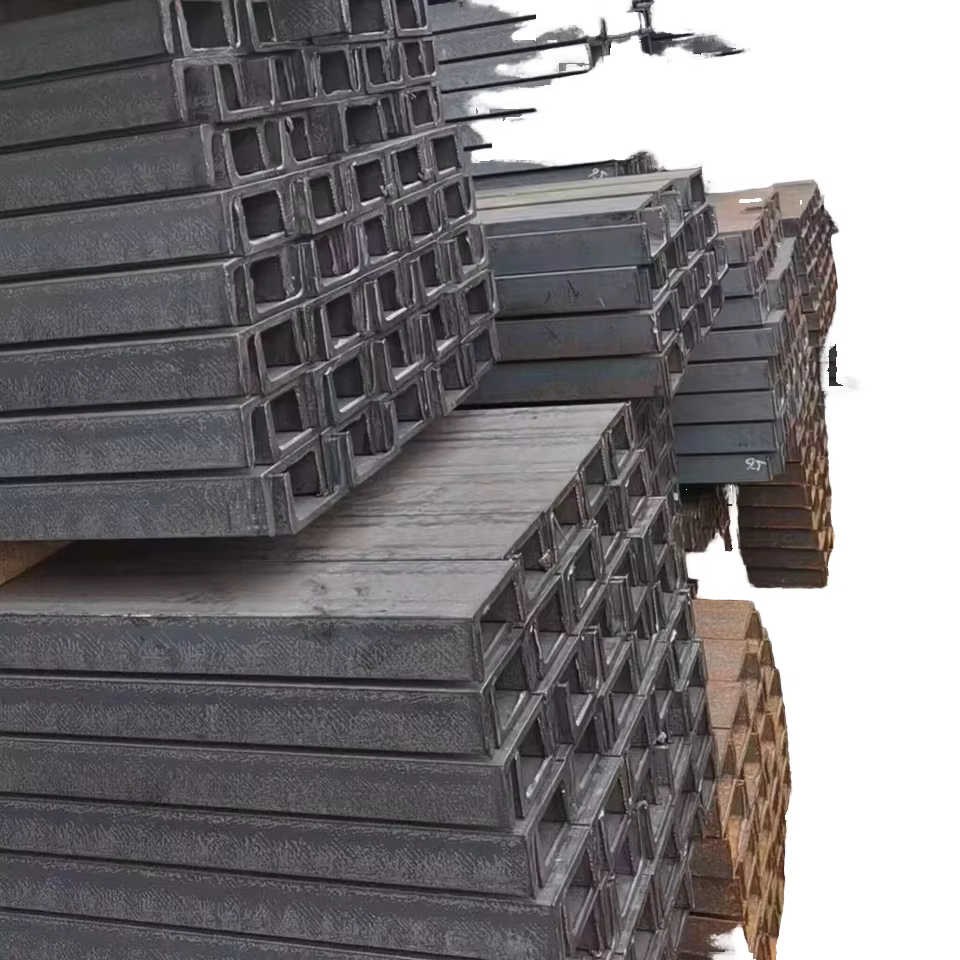
Manufacturing and Quality Control Processes
Precision Fabrication Methods
Modern steel truss manufacturing employs computer-controlled cutting, welding, and assembly processes that ensure consistent quality and dimensional accuracy. Automated fabrication equipment can produce complex truss geometries with tolerances measured in fractions of an inch, far exceeding the precision achievable with field-assembled alternatives. This manufacturing precision translates directly into improved fit-up during construction and enhanced structural performance.
Quality control protocols in steel truss fabrication facilities typically include material certification, dimensional verification, and weld quality inspection at multiple stages throughout the manufacturing process. These comprehensive quality assurance measures ensure that each truss meets or exceeds specified design requirements before leaving the fabrication facility. The controlled manufacturing environment also allows for consistent application of protective coatings and surface treatments that extend service life.
Material Standards and Specifications
Steel used in truss fabrication must conform to rigorous industry standards that specify chemical composition, mechanical properties, and dimensional tolerances. Common steel grades for structural trusses include ASTM A36, A572, and A992, each offering specific strength and ductility characteristics suited to different loading conditions. The standardization of these materials ensures predictable performance and enables engineers to design with confidence using established material properties.
Connection hardware and fasteners used in steel building trusses are similarly standardized and tested to ensure compatibility and reliability. High-strength bolts, welding electrodes, and other connection materials must meet specific standards for strength, corrosion resistance, and durability. This standardization facilitates design, procurement, and installation while ensuring consistent performance across different projects and manufacturers.
Installation and Construction Considerations
Site Preparation and Handling Requirements
Successful installation of steel building trusses requires careful site preparation and coordination with delivery schedules to ensure efficient handling and placement. Site access must accommodate delivery trucks and cranes while providing adequate laydown areas for temporary storage if needed. The weight and size of large trusses necessitate proper planning to avoid conflicts with existing structures or utilities during installation.
Proper handling procedures are essential to prevent damage during transportation and installation. Steel trusses must be lifted and supported at designated points to avoid overstressing individual members or connections. Installation crews require specialized training and equipment to safely manage these large structural components, particularly in challenging weather conditions or confined spaces.
Connection Details and Field Assembly
Field connections for steel building trusses typically employ either bolted or welded joints, each offering specific advantages depending on project requirements and site conditions. Bolted connections provide adjustability during installation and can be inspected visually, while welded connections may offer superior strength and stiffness characteristics. The choice between connection types depends on factors such as load requirements, installation tolerances, and long-term maintenance considerations.
Proper alignment and bracing during installation ensures that steel building trusses achieve their designed performance characteristics. Temporary bracing systems must remain in place until permanent lateral bracing and diaphragm systems are complete and effective. Installation sequences must be carefully planned to maintain structural stability throughout the construction process while providing safe working conditions for construction personnel.
Maintenance and Longevity Factors
Protective Coating Systems
The longevity of steel building trusses depends heavily on effective corrosion protection strategies that begin during fabrication and continue throughout the structure's service life. Modern protective coating systems typically include surface preparation, primer application, and finish coats specifically formulated for the intended service environment. These multi-layer systems provide decades of protection when properly applied and maintained according to manufacturer specifications.
Environmental conditions significantly influence coating selection and maintenance requirements for steel trusses. Structures in coastal environments require enhanced corrosion protection due to salt exposure, while industrial facilities may need coatings resistant to specific chemicals or temperature extremes. Regular inspection and maintenance of protective coatings can extend truss service life well beyond initial design expectations while maintaining structural integrity and appearance.
Inspection and Monitoring Protocols
Routine inspection programs for steel building trusses focus on connection integrity, member condition, and protective coating performance. Visual inspections can identify potential issues such as loose bolts, coating deterioration, or signs of overloading before they compromise structural safety. More detailed inspections using non-destructive testing methods may be required for critical structures or when visual inspection reveals potential concerns.
Modern monitoring technologies enable continuous assessment of structural performance in critical applications where safety margins are paramount. Strain gauges, accelerometers, and other sensing devices can provide real-time data on structural response to loading conditions, alerting facility managers to changes that might indicate developing problems. These monitoring systems are particularly valuable for structures subject to dynamic loading or harsh environmental conditions.
FAQ
What are the typical span capabilities of steel building trusses
Steel building trusses can economically span distances ranging from 30 feet for light residential applications to over 200 feet for specialized industrial or sports facility applications. The practical span limit depends on factors such as loading requirements, deflection criteria, and economic considerations. Most commercial and industrial applications fall within the 60 to 120-foot range, where steel trusses offer optimal performance and cost-effectiveness compared to alternative structural systems.
How do steel trusses compare to other structural materials in terms of environmental impact
Steel building trusses offer several environmental advantages including high recycled content, complete recyclability at end of service life, and reduced material usage compared to solid beam alternatives. The energy required for steel production is offset by the material's durability and reusability, while the efficiency of truss design minimizes overall material consumption. Additionally, the speed of construction with prefabricated steel trusses reduces on-site energy consumption and construction waste generation.
What factors determine the cost of steel building trusses for a specific project
The cost of steel building trusses varies based on span length, loading requirements, complexity of geometry, quantity of trusses, and current steel market conditions. Longer spans and heavier loads require larger steel sections and more complex connections, increasing material and fabrication costs. Project location affects transportation costs, while local labor rates influence installation expenses. Standard truss configurations typically offer cost advantages over custom designs due to reduced engineering and fabrication complexity.
Are there special considerations for steel trusses in seismic regions
Steel building trusses in seismic regions require special attention to connection design, member proportioning, and overall system ductility to safely resist earthquake forces. Connections must be designed to accommodate the cyclic loading and potential yielding that occurs during seismic events. Special detailing requirements may include compact member sections, reduced net section ratios, and enhanced connection capacity. Proper design and detailing enable steel trusses to provide excellent seismic performance while maintaining the economic and practical advantages of trussed construction.
Table of Contents
- Fundamental Advantages of Steel Truss Systems
- Design Flexibility and Architectural Applications
- Manufacturing and Quality Control Processes
- Installation and Construction Considerations
- Maintenance and Longevity Factors
-
FAQ
- What are the typical span capabilities of steel building trusses
- How do steel trusses compare to other structural materials in terms of environmental impact
- What factors determine the cost of steel building trusses for a specific project
- Are there special considerations for steel trusses in seismic regions

