 EN
EN
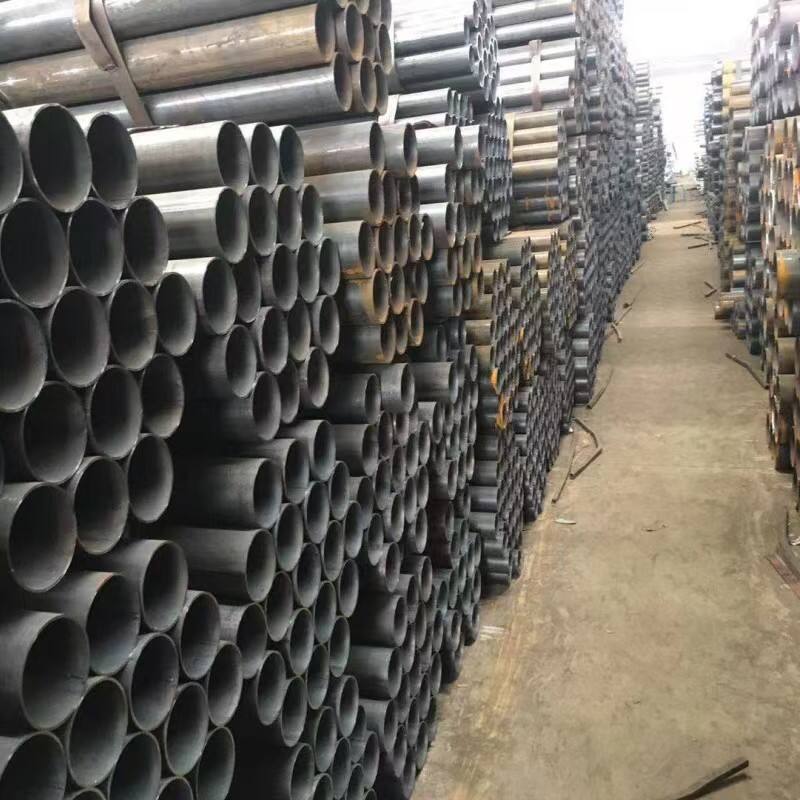
Modern businesses across industries rely heavily on steel infrastructure to support their operations, from construction projects to manufacturing facilities. The quality and reliability of steel pipes directly impact project timelines, safety standards, and long-term operational costs. Choosing the right steel pipe company becomes a critical decision that can determine the success or failure of industrial ventures
The steel pipe industry serves as the backbone of infrastructure development, supporting everything from oil and gas transportation to water distribution systems. When businesses partner with an unreliable steel pipe company, they expose themselves to significant risks including project delays, structural failures, and substantial financial losses. Understanding why reliability matters in this partnership can help businesses make informed decisions that protect their investments and ensure project success.
Quality Assurance and Material Integrity
Consistent Manufacturing Standards
A reliable steel pipe company maintains rigorous quality control processes throughout every stage of production. These companies invest in advanced manufacturing equipment and employ certified quality inspectors who ensure each pipe meets or exceeds industry specifications. The consistency in manufacturing standards directly translates to predictable performance in your applications, reducing the risk of unexpected failures that could compromise entire projects.
Quality assurance extends beyond basic dimensional accuracy to include material composition verification, mechanical property testing, and surface finish inspection. Reputable steel pipe companies utilize sophisticated testing equipment to verify tensile strength, yield strength, and corrosion resistance properties. This comprehensive approach to quality control ensures that every pipe delivered to your site performs as expected under specified operating conditions.
Documentation and traceability represent another crucial aspect of quality assurance. Professional steel pipe companies maintain detailed records of material sources, production parameters, and test results for each batch of pipes. This documentation becomes invaluable when projects require compliance with specific industry standards or when future maintenance and replacement decisions need to be made based on historical performance data.
Material Certification and Compliance
Reliable steel pipe companies understand the importance of material certification in industrial applications. They work exclusively with certified steel suppliers and maintain comprehensive documentation proving material origins and chemical compositions. This level of transparency allows businesses to confidently specify materials for projects that demand strict compliance with regulatory requirements or industry standards.
The certification process involves third-party testing laboratories that verify material properties independently of the manufacturer. When you partner with a reputable steel pipe company, you gain access to these certified test results, providing concrete evidence of material performance capabilities. This documentation becomes essential during project inspections and regulatory compliance audits.
International standards compliance ensures that steel pipes can be used across different markets and applications without compatibility concerns. Established steel pipe companies maintain certifications for multiple international standards, allowing businesses to expand their operations globally while maintaining consistent material specifications and performance expectations.
Supply Chain Reliability and Project Continuity
Inventory Management and Availability
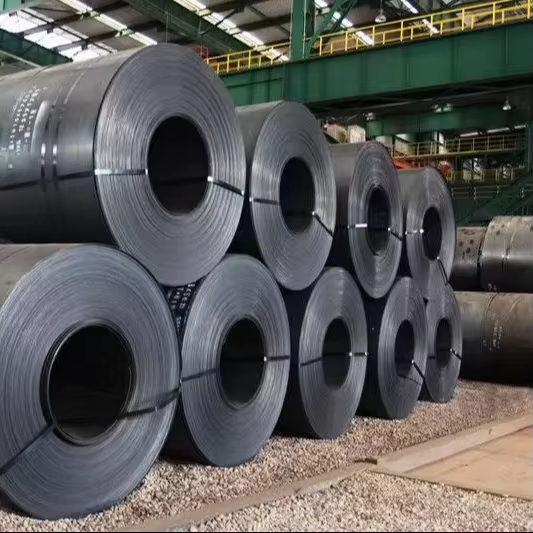
Professional steel pipe companies maintain substantial inventory levels to support customer demand fluctuations and urgent project requirements. Their inventory management systems track material availability in real-time, allowing project managers to make informed scheduling decisions and avoid costly delays. This proactive approach to inventory management becomes particularly valuable during periods of high market demand or supply chain disruptions.
Strategic inventory positioning involves maintaining stock at multiple distribution centers to minimize transportation time and costs. Reliable steel pipe companies invest in warehouse facilities located near major industrial centers, enabling rapid delivery to project sites. This geographic distribution strategy reduces lead times significantly compared to companies that operate from single centralized locations.
Demand forecasting capabilities allow established steel pipe companies to anticipate market needs and adjust inventory levels accordingly. They analyze historical consumption patterns, economic indicators, and industry trends to optimize stock levels for different product categories. This analytical approach ensures adequate material availability during peak construction seasons while minimizing carrying costs during slower periods.
Delivery Scheduling and Logistics Coordination
Reliable steel pipe companies excel in logistics coordination, ensuring materials arrive at job sites precisely when needed. Their transportation networks include dedicated delivery vehicles, trained drivers familiar with handling steel products, and real-time tracking systems that provide visibility into shipment status. This level of logistics sophistication prevents project delays caused by material delivery issues.
Just-in-time delivery capabilities become increasingly important as construction sites seek to minimize on-site storage requirements and associated costs. Professional steel pipe companies coordinate closely with project schedules to deliver materials in sequence with construction activities. This coordination requires sophisticated planning systems and flexible delivery arrangements that can accommodate schedule changes without compromising material availability.
Emergency delivery services distinguish reliable steel pipe companies from their competitors during critical project phases. When unexpected material needs arise or delivery schedules must be accelerated, established companies can mobilize additional resources to meet urgent requirements. This capability provides project managers with confidence that material supply issues will not derail project timelines or budget targets.
Technical Support and Engineering Expertise
Application-Specific Recommendations
Experienced steel pipe companies employ technical specialists who understand the nuances of different industrial applications. These experts can recommend optimal pipe specifications based on operating conditions, environmental factors, and performance requirements. Their application-specific knowledge helps businesses avoid over-specification that increases costs or under-specification that compromises performance and safety.
Material selection guidance becomes particularly valuable when projects involve challenging operating conditions such as high temperatures, corrosive environments, or extreme pressure requirements. Steel pipe company technical teams analyze these conditions and recommend appropriate grades, coatings, and design modifications that ensure long-term reliability. This expertise prevents costly material failures and reduces maintenance requirements over the pipe system's lifecycle.
Custom fabrication capabilities allow reliable steel pipe companies to address unique project requirements that standard products cannot satisfy. Their engineering teams work with customers to develop specialized solutions including custom dimensions, specialized coatings, or modified end connections. This flexibility ensures that material specifications align perfectly with project needs rather than forcing design compromises to accommodate available standard products.
Problem-Solving and Technical Consultation
Technical consultation services provided by established steel pipe companies extend beyond basic product recommendations to include comprehensive system design support. Their engineers can analyze proposed piping layouts, identify potential performance issues, and suggest design optimizations that improve system efficiency and reliability. This consulting capability adds significant value to complex industrial projects where piping system performance directly impacts overall facility operations.
Troubleshooting support becomes invaluable when existing piping systems experience performance problems or unexpected failures. Reliable steel pipe companies maintain technical support teams that can investigate failure modes, identify root causes, and recommend corrective actions. This problem-solving capability helps businesses minimize downtime and prevent recurring issues that could compromise operational efficiency.
Ongoing technical education and training opportunities demonstrate the commitment of professional steel pipe companies to customer success. They conduct workshops, webinars, and technical seminars that help customer teams stay current with industry best practices, new material technologies, and emerging application techniques. This educational support builds internal expertise that improves decision-making and system performance over time.
Cost Efficiency and Long-Term Value
Competitive Pricing and Value Engineering
Reliable steel pipe companies leverage their purchasing power and operational efficiency to offer competitive pricing without compromising quality. Their established relationships with steel mills and suppliers enable them to secure favorable material costs that they can pass along to customers. This pricing advantage becomes particularly significant on large projects where material costs represent a substantial portion of total project budgets.
Value engineering services help businesses optimize material specifications to achieve the best balance between performance requirements and cost constraints. Steel pipe company engineers analyze project requirements and identify opportunities to reduce costs through alternative materials, modified specifications, or improved design approaches. This collaborative approach to cost optimization ensures that projects achieve target budgets without compromising essential performance characteristics.
Volume pricing programs reward customers who commit to substantial purchase quantities over extended periods. Established steel pipe companies offer structured pricing arrangements that provide cost predictability and budget planning advantages for businesses with ongoing material requirements. These programs often include guaranteed availability provisions that protect customers from market supply shortages and price volatility.
Lifecycle Cost Considerations
Total cost of ownership extends far beyond initial material purchase prices to include installation costs, maintenance requirements, and replacement schedules. Reliable steel pipe companies help businesses evaluate these lifecycle costs to make informed decisions that minimize long-term operating expenses. Their expertise in material performance characteristics enables accurate predictions of maintenance intervals and replacement timing.
Warranty coverage and performance guarantees provided by established steel pipe companies protect businesses from material defect risks and associated costs. These warranty programs demonstrate confidence in product quality while providing financial protection against unexpected failures. Comprehensive warranty coverage includes replacement materials, installation costs, and consequential damage protection that standard suppliers typically exclude.
Maintenance optimization recommendations help businesses develop cost-effective maintenance strategies that maximize pipe system lifespan while minimizing downtime. Steel pipe company technical teams share their extensive experience with similar applications to identify optimal maintenance intervals, inspection techniques, and preventive measures that reduce total lifecycle costs. This guidance proves particularly valuable for critical systems where unplanned downtime carries substantial economic consequences.
FAQ
What qualifications should I look for when selecting a steel pipe company?
Look for companies with relevant industry certifications such as ISO 9001 quality management systems, API certifications for oil and gas applications, or ASTM compliance for construction projects. Verify their manufacturing capabilities, quality control processes, and technical support resources. Additionally, check their financial stability, delivery performance history, and customer references from similar applications to ensure they can meet your project requirements reliably.
How can I verify the quality and reliability of steel pipes before purchasing?
Request material test certificates that document chemical composition, mechanical properties, and dimensional accuracy for each batch of pipes. Insist on third-party inspection reports and quality control documentation that verify compliance with specified standards. Consider conducting facility audits to observe manufacturing processes firsthand and evaluate quality control procedures. Many reliable steel pipe companies welcome such inspections as they demonstrate their commitment to quality and transparency.
What are the typical lead times for steel pipe orders and how can delays be avoided?
Lead times vary depending on pipe specifications, order quantities, and current market conditions, typically ranging from 2-8 weeks for standard products. To minimize delays, work with steel pipe companies that maintain adequate inventory levels and provide realistic delivery schedules based on current production capacity. Establish clear delivery requirements early in the procurement process and maintain regular communication about any schedule changes that might affect material availability.
How do I ensure consistent quality across multiple steel pipe orders over time?
Establish long-term partnerships with reputable steel pipe companies that maintain consistent manufacturing processes and quality standards. Develop detailed material specifications that include acceptance criteria for all critical properties and performance characteristics. Implement incoming inspection procedures that verify compliance with specifications for each delivery. Regular supplier audits and performance reviews help maintain quality consistency and identify potential issues before they impact project success.
Table of Contents
- Quality Assurance and Material Integrity
- Supply Chain Reliability and Project Continuity
- Technical Support and Engineering Expertise
- Cost Efficiency and Long-Term Value
-
FAQ
- What qualifications should I look for when selecting a steel pipe company?
- How can I verify the quality and reliability of steel pipes before purchasing?
- What are the typical lead times for steel pipe orders and how can delays be avoided?
- How do I ensure consistent quality across multiple steel pipe orders over time?

