 EN
EN
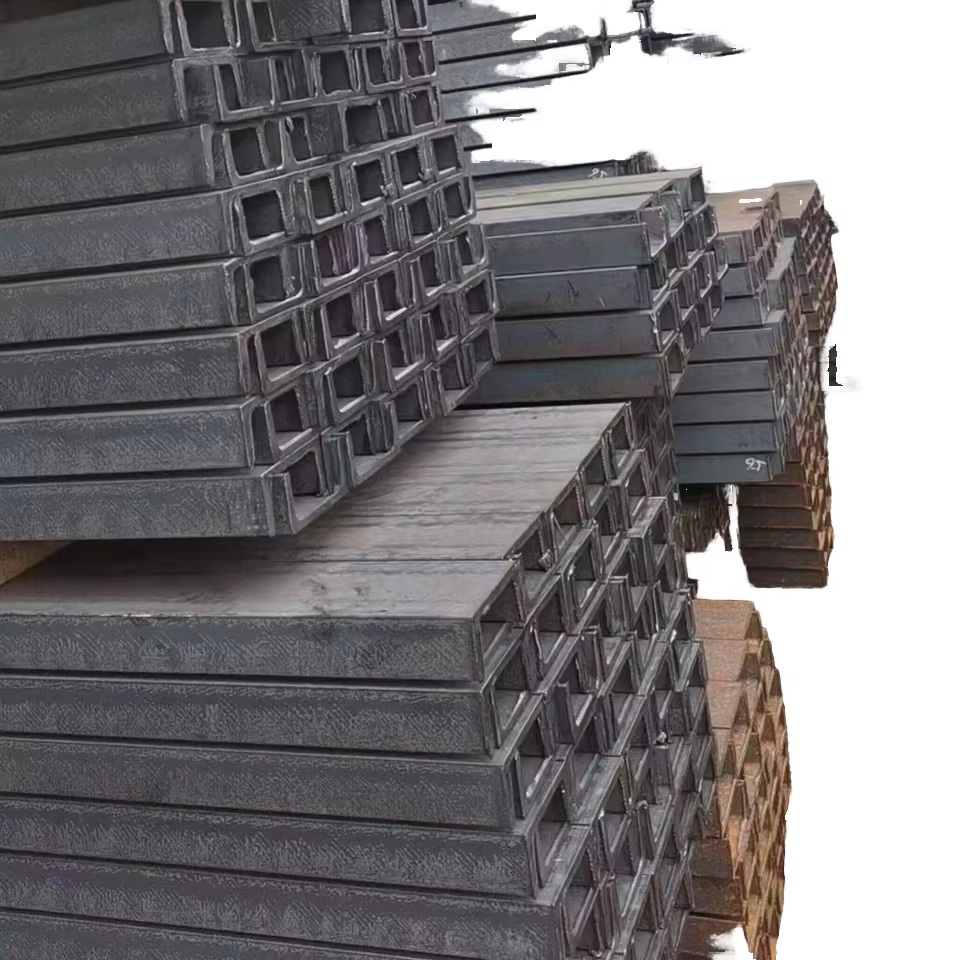
Stainless steel channel fabrication and installation challenges can significantly impact project timelines and structural integrity when not properly addressed. Industrial professionals frequently encounter specific usage issues that stem from material selection errors, improper handling techniques, or inadequate understanding of stainless steel channel behavioral characteristics under various operational conditions.
Effective troubleshooting requires systematic identification of root causes behind stainless steel channel performance problems, ranging from corrosion manifestations to structural deformation patterns. Understanding these common usage issues enables engineers and fabricators to implement targeted corrective measures that restore optimal functionality while preventing costly project delays and material waste.
Common Structural Performance Issues
Load-Bearing Capacity Problems
Stainless steel channel load-bearing failures typically manifest through visible deflection, stress concentration points, or complete structural compromise under applied loads. These issues often result from incorrect grade selection, where austenitic stainless steel channels are specified for applications requiring higher strength characteristics found in martensitic or duplex grades.
Engineers should evaluate the actual load distribution patterns against the calculated design parameters when troubleshooting capacity issues. Stainless steel channel strength properties vary significantly between grades, with 316L offering different yield strengths compared to 2205 duplex stainless steel channels designed for heavy-duty structural applications.
Temperature effects on stainless steel channel performance become critical factors when troubleshooting load capacity problems in high-temperature environments. Thermal expansion coefficients and reduced material strength at elevated temperatures require compensation through proper design modifications or grade upgrades.
Dimensional Stability Concerns
Stainless steel channel dimensional changes during service can create alignment problems, connection failures, or interference with adjacent components in complex assemblies. Thermal cycling causes predictable expansion and contraction patterns that must be accommodated through proper joint design and mounting strategies.
Residual stress relief becomes essential when troubleshooting dimensional stability issues in welded stainless steel channel assemblies. Improper welding procedures or inadequate post-weld heat treatment can introduce internal stresses that manifest as distortion or cracking over time under operational loads.
Work hardening effects from cold forming operations can alter the dimensional characteristics of stainless steel channel profiles, particularly in austenitic grades that exhibit significant strain hardening behavior. Understanding these metallurgical changes helps identify appropriate corrective measures for dimensional problems.
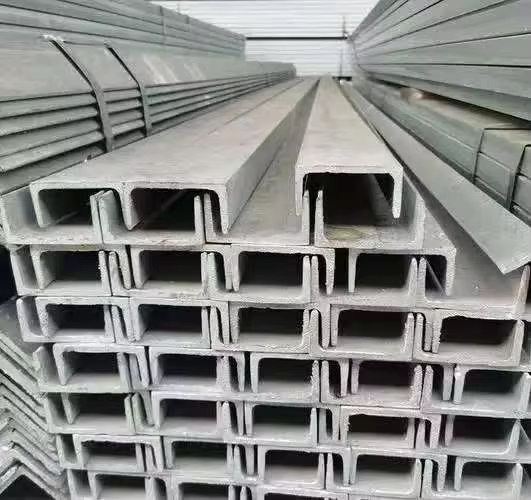
Corrosion-Related Troubleshooting
Pitting and Crevice Corrosion
Localized corrosion in stainless steel channel applications typically occurs in stagnant areas where chloride concentration can build up over time. Pitting resistance equivalent numbers provide guidance for material selection, but actual service conditions often exceed laboratory test parameters, leading to unexpected corrosion manifestations.
Crevice corrosion develops in tight spaces between stainless steel channel surfaces and adjacent materials, particularly under gaskets, washers, or overlapping joint configurations. Troubleshooting these issues requires careful examination of joint design details and consideration of alternative sealing methods that minimize crevice formation.
Stainless steel channel surface finish quality significantly influences corrosion resistance, with rougher finishes providing nucleation sites for localized attack. Electropolishing or passivation treatments can restore corrosion resistance after fabrication operations that compromise the protective oxide layer.
Galvanic Compatibility Issues
Dissimilar metal contact between stainless steel channel components and other metallic materials creates galvanic cells that accelerate corrosion in the less noble material. Troubleshooting galvanic corrosion requires identification of all metal combinations within the system and implementation of appropriate isolation techniques.
Stainless steel channel connections to aluminum, carbon steel, or zinc-coated materials require careful evaluation of the electrochemical series relationships and environmental exposure conditions. Electrical isolation through non-conductive gaskets or coatings prevents current flow that drives galvanic corrosion processes.
Environmental factors such as moisture, salt exposure, and pH levels significantly influence galvanic corrosion rates between stainless steel channel assemblies and dissimilar metals. Understanding these interactions enables selection of appropriate protective measures or material substitutions.
Installation and Fabrication Problems
Welding-Related Issues
Stainless steel channel welding problems frequently involve heat-affected zone sensitization, where chromium carbide precipitation reduces local corrosion resistance. Low-carbon grades like 316L minimize sensitization risk, but proper welding procedures remain essential for maintaining joint integrity and corrosion performance.
Distortion control during stainless steel channel welding requires careful heat input management and appropriate fixturing to maintain dimensional accuracy. Higher thermal expansion coefficients compared to carbon steel necessitate modified welding sequences and cooling procedures to prevent warping or residual stress concentration.
Contamination from carbon steel welding equipment or filler materials can compromise stainless steel channel weld quality and corrosion resistance. Dedicated tooling and proper cleaning procedures prevent cross-contamination that leads to premature failure in corrosive environments.
Mechanical Fastening Challenges
Stainless steel channel fastening systems require careful consideration of thermal expansion differences, galvanic compatibility, and stress concentration factors. Over-tightening fasteners can create stress risers that initiate cracking, while insufficient preload allows movement that causes fretting corrosion.
Thread galling represents a common problem when assembling stainless steel channel connections using stainless steel fasteners. Anti-seize compounds or alternative fastener materials help prevent galling while maintaining the required connection strength and corrosion resistance.
Stainless steel channel hole preparation quality affects fastener performance and joint longevity. Proper drilling techniques that avoid work hardening and maintain smooth hole surfaces reduce stress concentration and improve fatigue resistance under cyclic loading conditions.
Surface Treatment and Finishing Issues
Passivation Layer Problems
Stainless steel channel passivation layer integrity determines long-term corrosion resistance and aesthetic appearance. Contamination from fabrication processes, improper cleaning procedures, or exposure to reducing environments can compromise the protective oxide film and require restoration through chemical treatment.
Surface roughness affects passivation layer formation and stability on stainless steel channel profiles. Grinding marks, tool marks, or other surface irregularities can create preferential corrosion sites that compromise overall performance in aggressive environments requiring high corrosion resistance.
Stainless steel channel passivation procedures must follow established standards like ASTM A967 to ensure proper oxide layer formation. Inadequate acid treatment time, improper solution concentration, or insufficient rinsing can result in incomplete passivation that fails to provide expected corrosion protection.
Mechanical Surface Damage
Handling damage during stainless steel channel transportation and installation can create surface defects that initiate corrosion or affect aesthetic appearance. Scratches, dents, or gouges require evaluation to determine whether repair or replacement is necessary to maintain specified performance requirements.
Work hardening from mechanical damage can alter local material properties in stainless steel channel surfaces, potentially reducing corrosion resistance or creating residual stress concentrations. Understanding the depth and extent of damage helps determine appropriate repair procedures or material replacement needs.
Stainless steel channel surface preparation for repair operations requires removal of all contaminated material and restoration of proper surface finish. Grinding, polishing, or chemical treatment may be necessary to restore the protective oxide layer and ensure long-term performance.
Environmental Adaptation Challenges
Temperature Cycling Effects
Stainless steel channel performance under temperature cycling conditions requires consideration of thermal fatigue, expansion joint design, and material grade selection appropriate for the operating temperature range. Austenitic grades exhibit different thermal expansion behavior compared to ferritic or duplex stainless steel channel options.
Thermal shock resistance varies among stainless steel channel grades, with some austenitic compositions showing better performance under rapid temperature changes compared to ferritic grades that may experience thermal fatigue cracking under severe cycling conditions.
Stainless steel channel joint design must accommodate thermal movement through proper expansion joint sizing, flexible connections, or spring-loaded mounting systems that prevent stress buildup during temperature cycling while maintaining structural integrity.
Chemical Environment Compatibility
Stainless steel channel selection for chemical processing applications requires detailed analysis of all potential contaminants, including trace elements that may not be obvious but can significantly affect corrosion resistance. Chloride sensitivity varies among grades, with super austenitic and duplex grades offering superior resistance.
pH variations in the operating environment can dramatically affect stainless steel channel corrosion behavior, with some grades showing excellent resistance in neutral conditions but poor performance in highly acidic or alkaline environments that require specialized alloy selection.
Stainless steel channel cleaning and maintenance procedures must be compatible with the service environment to avoid introducing contaminants that compromise corrosion resistance. Some cleaning agents can sensitize the surface or leave residues that initiate localized corrosion under specific conditions.
FAQ
What causes stainless steel channel to develop rust spots despite its corrosion resistance?
Rust spots on stainless steel channel typically result from surface contamination with iron particles from carbon steel tools or nearby construction activities. These embedded particles oxidize and create the appearance of stainless steel rusting, when actually the foreign iron is corroding on the stainless surface. Proper cleaning with nitric acid solutions can remove these contaminants and restore the protective oxide layer.
Why do stainless steel channel connections sometimes fail prematurely in outdoor applications?
Premature connection failures often occur due to galvanic corrosion between stainless steel channel components and dissimilar metal fasteners, particularly when moisture and chlorides are present. Carbon steel bolts in coastal environments create galvanic cells that rapidly corrode the fastener, leading to connection failure. Using stainless steel fasteners or proper isolation techniques prevents this problem.
How can dimensional changes in stainless steel channel assemblies be minimized during service?
Dimensional stability requires proper joint design that accommodates thermal expansion through expansion joints, sliding connections, or flexible mounting systems. Stainless steel channel thermal expansion coefficients are higher than carbon steel, so fixed connections over long spans will develop high stresses that cause deformation. Stress-relief heat treatment after welding also helps minimize residual stress-related dimensional changes.
What steps should be taken when stainless steel channel shows signs of stress corrosion cracking?
Stress corrosion cracking in stainless steel channel requires immediate evaluation of the stress level, environmental conditions, and material grade suitability. Reducing applied stresses through design modifications, eliminating chloride contamination sources, or upgrading to higher alloy grades like duplex stainless steel can prevent crack propagation. Existing cracks may require complete section replacement depending on their size and location relative to critical load paths.
Table of Contents
- Common Structural Performance Issues
- Corrosion-Related Troubleshooting
- Installation and Fabrication Problems
- Surface Treatment and Finishing Issues
- Environmental Adaptation Challenges
-
FAQ
- What causes stainless steel channel to develop rust spots despite its corrosion resistance?
- Why do stainless steel channel connections sometimes fail prematurely in outdoor applications?
- How can dimensional changes in stainless steel channel assemblies be minimized during service?
- What steps should be taken when stainless steel channel shows signs of stress corrosion cracking?

