 EN
EN
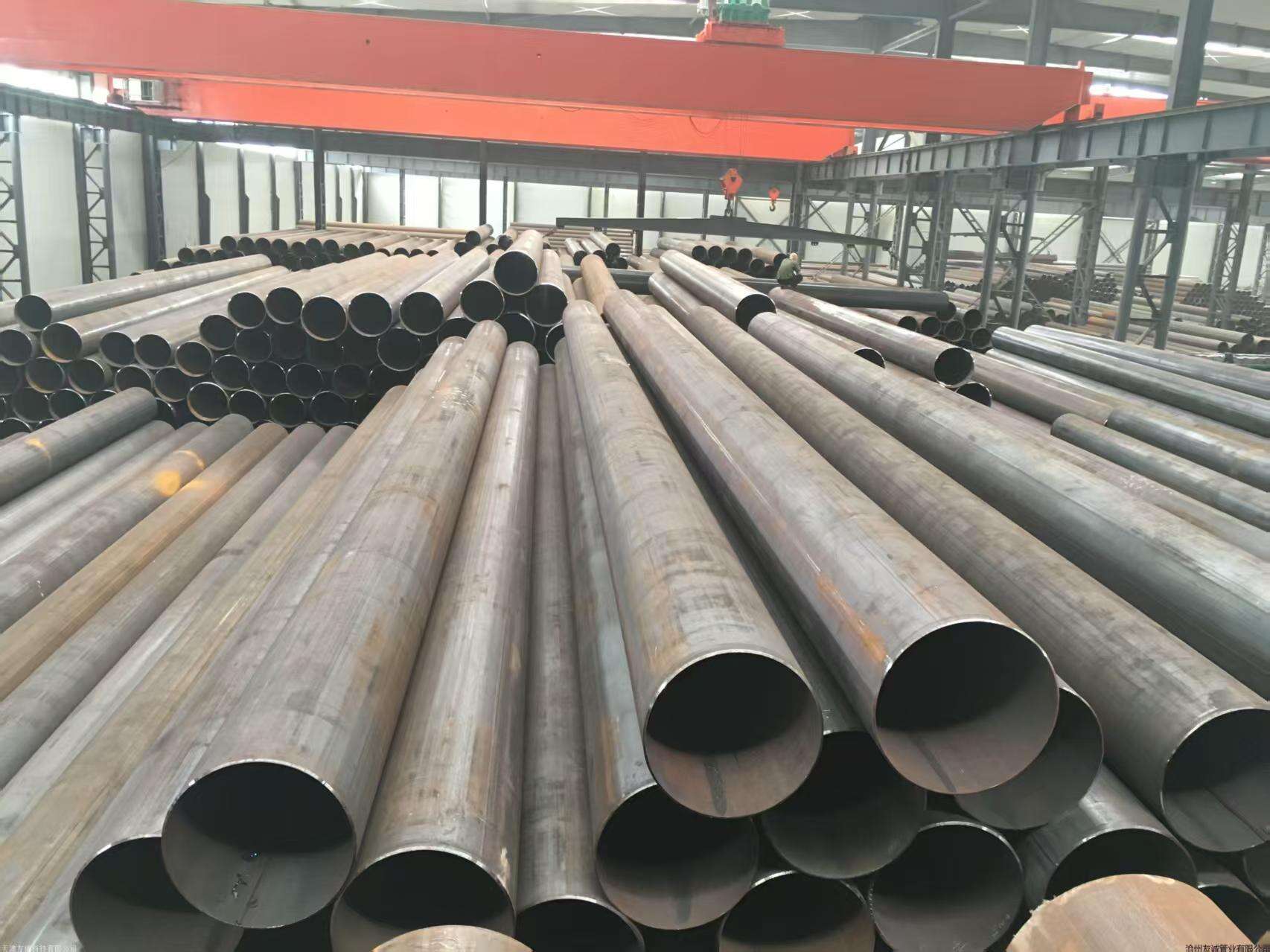
Steel pipe vendors serve as critical nodes in modern industrial supply chains, wielding significant influence over manufacturing timelines, project costs, and operational efficiency across multiple sectors. From oil and gas infrastructure to construction and water management systems, the strategic decisions made by steel pipe vendors create ripple effects that extend far beyond individual transactions, shaping the reliability and performance of entire supply networks.
Understanding how steel pipe vendors impact industry supply chains requires examining their role as both material suppliers and strategic partners in complex manufacturing ecosystems. These vendors control inventory availability, establish quality standards, and determine delivery schedules that directly affect downstream production capabilities. Their operational decisions influence everything from project feasibility to long-term infrastructure reliability, making vendor selection and relationship management crucial components of successful supply chain strategy.
Inventory Management and Material Availability Control
Strategic Stockpiling and Demand Forecasting
Steel pipe vendors significantly impact supply chain stability through their inventory management strategies and demand forecasting capabilities. Experienced steel pipe vendors maintain strategic stockpiles of common specifications while developing sophisticated forecasting models to anticipate market demands. These inventory decisions directly affect material availability during critical project phases, particularly in industries with seasonal demand patterns or emergency infrastructure needs.
The forecasting accuracy of steel pipe vendors determines whether manufacturers can maintain continuous production schedules or face costly delays due to material shortages. Vendors who invest in advanced demand planning systems and maintain close relationships with steel mills can better predict supply disruptions and adjust inventory levels accordingly. This proactive approach helps stabilize supply chains by ensuring adequate material buffers during peak demand periods.
Regional steel pipe vendors often specialize in specific product categories or industry applications, allowing them to develop deep expertise in particular supply chain segments. This specialization enables more accurate demand forecasting and efficient inventory allocation, reducing the risk of stockouts while minimizing carrying costs that could ultimately impact pricing for end customers.
Just-in-Time Delivery Coordination
Modern manufacturing operations increasingly rely on just-in-time delivery models to reduce inventory carrying costs and improve cash flow management. Steel pipe vendors play a crucial role in enabling these lean supply chain strategies by coordinating delivery schedules with production timelines and maintaining flexible logistics capabilities. Their ability to provide precise delivery timing directly impacts the efficiency of downstream manufacturing processes.
Successful steel pipe vendors develop sophisticated logistics networks that can accommodate varying delivery requirements across different customer segments. This includes maintaining relationships with multiple transportation providers, establishing regional distribution centers, and implementing tracking systems that provide real-time visibility into delivery status. These capabilities enable manufacturers to operate with minimal on-site inventory while maintaining production continuity.
The coordination between steel pipe vendors and their customers extends beyond simple delivery scheduling to include production planning integration. Advanced vendors work closely with major customers to understand their production forecasts and adjust inventory allocation accordingly, creating more resilient supply chain relationships that can adapt to changing market conditions.
Quality Assurance and Compliance Standards
Material Certification and Testing Protocols
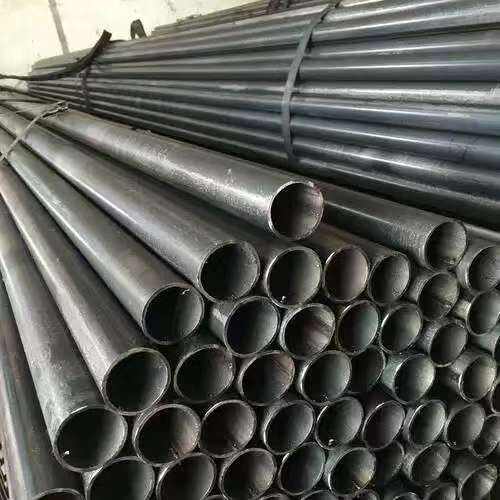
Steel pipe vendors establish quality standards that directly impact the reliability and performance of finished products throughout the supply chain. Their material certification processes, testing protocols, and quality control systems determine whether downstream manufacturers can meet their own quality commitments to end customers. Rigorous quality assurance by steel pipe vendors reduces the risk of defective materials entering production processes, preventing costly delays and rework.
The certification capabilities of steel pipe vendors become particularly critical in regulated industries such as oil and gas, nuclear power, and aerospace applications. These sectors require extensive material traceability and compliance documentation that must be maintained throughout the supply chain. Vendors who invest in comprehensive quality management systems provide their customers with the documentation necessary for regulatory compliance and project acceptance.
Advanced steel pipe vendors implement statistical process control methods and continuous improvement programs that enhance material consistency over time. This reliability in material properties enables downstream manufacturers to optimize their own production processes and reduce quality-related disruptions that could impact delivery schedules and customer satisfaction.
Industry-Specific Compliance Requirements
Different industrial applications require specific material properties and compliance standards that steel pipe vendors must understand and support. Vendors who specialize in particular industry segments develop expertise in relevant standards such as ASTM, API, ASME, and international equivalents. This specialized knowledge allows them to provide appropriate material recommendations and ensure compliance throughout the supply chain.
The compliance expertise of steel pipe vendors extends beyond material properties to include environmental and safety regulations that affect supply chain operations. Vendors who stay current with evolving regulatory requirements help their customers avoid compliance issues that could disrupt operations or result in costly retrofits.
International trade regulations and import requirements add another layer of compliance complexity that experienced steel pipe vendors help navigate. Their understanding of customs procedures, duty classifications, and trade agreement provisions can significantly impact the cost and timing of international supply chain operations, particularly for companies sourcing materials from multiple countries.
Pricing Dynamics and Cost Structure Impact
Raw Material Cost Volatility Management
Steel pipe vendors serve as intermediaries between volatile raw material markets and downstream manufacturers, providing cost stability through various pricing mechanisms and contract structures. Their ability to manage raw material price fluctuations directly impacts the predictability of manufacturing costs throughout the supply chain. Sophisticated vendors develop hedging strategies and maintain supplier relationships that help smooth out price volatility.
The pricing strategies employed by steel pipe vendors influence inventory decisions and production planning across multiple supply chain tiers. Vendors who offer stable pricing through long-term contracts enable their customers to make more accurate cost projections and competitive pricing decisions. This stability becomes particularly valuable during periods of significant raw material price volatility.
Regional steel pipe vendors often provide pricing advantages through reduced transportation costs and faster delivery times compared to distant suppliers. However, their pricing power and cost structure may be influenced by local market conditions, regulatory requirements, and competitive dynamics that create regional variations in supply chain economics.
Volume Purchasing and Economies of Scale
Large steel pipe vendors leverage their purchasing volume to negotiate favorable terms with steel mills and pass along cost benefits to their customers through competitive pricing. This volume advantage creates economies of scale that can significantly impact the cost structure of entire supply chains, particularly for smaller manufacturers who lack the purchasing power to negotiate directly with steel producers.
The consolidation trends among steel pipe vendors have created larger organizations with enhanced purchasing power and broader geographic reach. This consolidation can benefit supply chain efficiency through standardized processes and expanded service capabilities, but may also reduce competitive pricing options in some regional markets.
Strategic partnerships between steel pipe vendors and major customers often involve volume commitments that provide pricing stability and guaranteed supply availability. These relationships create mutual benefits by providing vendors with predictable demand and customers with preferential pricing and service terms that enhance their competitive position.
Technology Integration and Supply Chain Digitization
Digital Inventory Management Systems
Modern steel pipe vendors implement sophisticated digital systems that provide real-time inventory visibility and automated ordering capabilities that streamline supply chain operations. These technological investments enable better demand planning, reduced stockouts, and improved customer service levels that benefit entire supply networks. Advanced vendors offer online portals that allow customers to check inventory availability, place orders, and track deliveries in real-time.
The integration of digital inventory management systems between steel pipe vendors and their customers creates more efficient supply chain coordination and reduces administrative overhead. Electronic data interchange capabilities enable automated order processing and invoice handling that accelerates transaction cycles and reduces errors that could disrupt supply chain flow.
Predictive analytics capabilities implemented by leading steel pipe vendors help forecast demand patterns and optimize inventory allocation across different customer segments and geographic regions. These analytical insights enable more efficient supply chain planning and reduce the risk of material shortages during peak demand periods.
Supply Chain Visibility and Tracking
Advanced tracking and visibility systems implemented by steel pipe vendors provide their customers with detailed information about material location, delivery status, and quality documentation throughout the supply chain. This transparency enables better production planning and reduces uncertainty that could impact manufacturing schedules and customer commitments.
The implementation of IoT sensors and blockchain technology by innovative steel pipe vendors creates enhanced traceability capabilities that support quality assurance and regulatory compliance requirements. These technologies provide immutable records of material handling and processing that become increasingly important in regulated industries and international trade.
Real-time communication systems enable steel pipe vendors to proactively notify customers about potential delays, quality issues, or delivery changes that could impact production schedules. This early warning capability allows downstream manufacturers to adjust their operations and minimize disruptions to their own customer commitments.
Geographic Distribution and Market Access
Regional Market Coverage and Logistics Networks
The geographic distribution strategy of steel pipe vendors directly impacts supply chain accessibility and delivery efficiency for manufacturers across different regions. Vendors with extensive distribution networks can provide faster delivery times and reduced transportation costs that improve the overall economics of supply chain operations. Regional coverage also enables vendors to better understand local market conditions and regulatory requirements.
Strategic location of distribution centers and processing facilities by steel pipe vendors creates competitive advantages through reduced logistics costs and improved service levels. Vendors who invest in regional infrastructure can offer shorter lead times and more flexible delivery options that enable their customers to operate with leaner inventory levels and faster response times.
The expansion strategies of major steel pipe vendors often focus on serving emerging markets and industrial development regions where infrastructure growth creates new demand opportunities. This geographic expansion helps establish supply chain capabilities in developing markets while providing customers with consistent service standards across multiple locations.
International Trade and Cross-Border Supply Chains
Steel pipe vendors with international capabilities play crucial roles in global supply chains by managing complex trade requirements, customs procedures, and multi-country logistics coordination. Their expertise in international trade regulations and documentation requirements enables manufacturers to source materials globally while maintaining compliance and delivery reliability.
Currency hedging and international payment capabilities offered by global steel pipe vendors help reduce financial risks associated with cross-border supply chain operations. These services become particularly valuable during periods of currency volatility or when dealing with suppliers in countries with less stable financial systems.
The establishment of international partnerships and joint ventures by steel pipe vendors creates supply chain resilience by providing alternative sourcing options and reduced dependence on single-country suppliers. This geographic diversification helps protect against regional disruptions while maintaining cost competitiveness through access to different manufacturing markets.
FAQ
How do steel pipe vendors affect manufacturing lead times?
Steel pipe vendors directly impact manufacturing lead times through their inventory availability, order processing efficiency, and delivery scheduling capabilities. Vendors who maintain adequate stock levels and efficient logistics operations enable shorter lead times, while those with limited inventory or poor coordination can cause significant delays. The forecasting accuracy and demand planning capabilities of vendors also influence their ability to maintain consistent material availability during peak periods.
What role do steel pipe vendors play in quality control throughout the supply chain?
Steel pipe vendors establish quality standards through their material certification processes, testing protocols, and supplier qualification programs that affect product reliability throughout the supply chain. Their quality assurance systems determine whether defective materials enter production processes, and their documentation capabilities support regulatory compliance requirements in various industries. Vendors who invest in comprehensive quality management help prevent costly quality issues that could disrupt entire supply networks.
How do pricing strategies of steel pipe vendors impact supply chain costs?
Steel pipe vendors influence supply chain costs through their pricing mechanisms, volume purchasing power, and contract structures that help manage raw material price volatility. Their ability to negotiate favorable terms with steel mills and offer competitive pricing directly affects manufacturing cost structures. Long-term pricing contracts and volume discount programs provided by vendors enable better cost predictability and planning throughout supply chains.
Why is vendor geographic coverage important for supply chain resilience?
Geographic coverage by steel pipe vendors provides supply chain resilience through diversified sourcing options, reduced transportation costs, and faster delivery capabilities across different regions. Vendors with extensive distribution networks offer alternative supply sources that help protect against regional disruptions while enabling more efficient logistics operations. This geographic diversification also provides access to different market conditions and regulatory environments that can offer competitive advantages.

