
 EN
EN
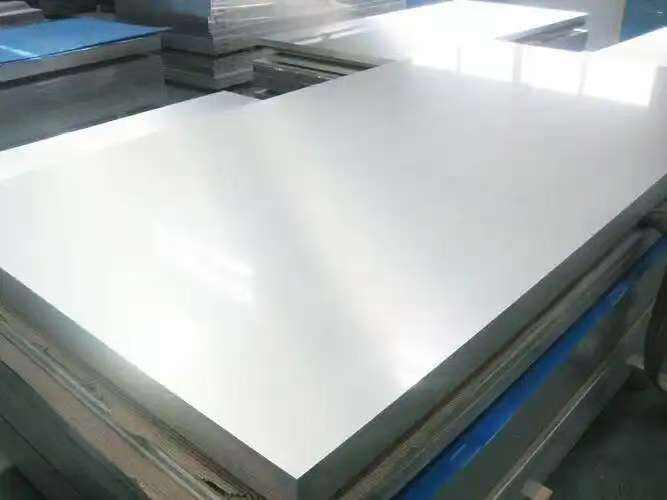
When engineers and procurement specialists ask where alloy steel is most commonly used today, the answer spans nearly every sector of modern industry. From the heaviest infrastructure projects to the most precision-demanding manufacturing environments, alloy steel has become a foundational material that quietly supports the structures, machines, and systems that define contemporary industrial life. Its unique combination of mechanical strength, thermal resistance, and adaptability to heat treatment makes it a preferred choice wherever plain carbon steel simply cannot meet the demands of the application.
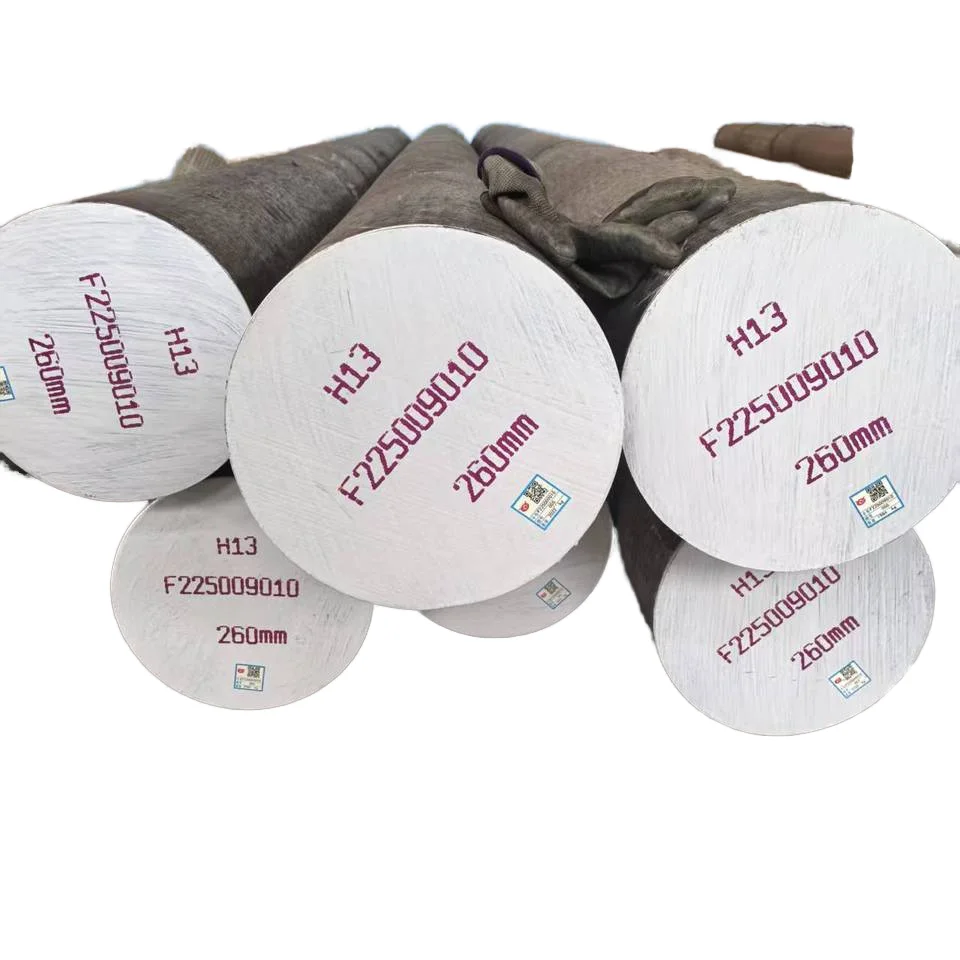
Understanding where alloy steel is most commonly used requires looking beyond a single industry or application type. The material's versatility comes from the deliberate addition of alloying elements such as chromium, molybdenum, vanadium, nickel, and manganese, each of which modifies the base iron-carbon structure to achieve specific performance targets. Whether the goal is higher hardness, better corrosion resistance, improved toughness at low temperatures, or superior fatigue life under cyclic loading, alloy steel can be engineered to deliver. This article maps out the dominant application areas where alloy steel is relied upon most heavily in today's industrial landscape.
Alloy Steel in the Automotive and Transportation Sector
Structural and Powertrain Components
The automotive industry is one of the largest consumers of alloy steel globally, and for good reason. Vehicle manufacturers require materials that can withstand high stress, repeated loading cycles, and significant temperature variation without failure. Alloy steel is used extensively in powertrain components including crankshafts, camshafts, connecting rods, and transmission gears. These parts must maintain dimensional stability and resist surface wear over hundreds of thousands of operating cycles, and alloy steel grades engineered with chromium and molybdenum additions are well suited to meet these demands.
Beyond the engine bay, alloy steel appears in axle shafts, differential housings, and suspension components where impact toughness and fatigue resistance are critical. The ability to heat treat alloy steel to precise hardness levels allows manufacturers to optimize each component for its specific load profile. This level of material control is simply not achievable with standard carbon steel, which is why alloy steel has become the default choice for safety-critical automotive parts.
Heavy Transport and Rail Applications
In heavy transport, including trucks, construction vehicles, and rail systems, alloy steel plays an equally important role. Rail tracks, wheel sets, and bogie frames are manufactured from alloy steel grades selected for their wear resistance and ability to absorb dynamic shock loads. The rail industry in particular demands materials that can endure millions of load cycles from passing trains while maintaining surface integrity and dimensional accuracy.
Truck frames and chassis components also rely on alloy steel for its high strength-to-weight ratio. Reducing vehicle weight while maintaining structural integrity directly impacts fuel efficiency and payload capacity, both of which are commercially significant in freight transport. Alloy steel enables engineers to design thinner, lighter sections without sacrificing the load-bearing performance required for safe operation under full payload conditions.
Alloy Steel in Oil, Gas, and Energy Infrastructure
Drilling Equipment and Pressure Vessels
The oil and gas industry operates in some of the most demanding environments on earth, and alloy steel is central to the material solutions that make extraction and processing possible. Drill collars, drill pipes, and bottom-hole assembly components are manufactured from alloy steel grades capable of withstanding the combined effects of high torque, axial tension, bending stress, and corrosive downhole fluids. The chromium-molybdenum family of alloy steel grades is particularly prevalent in these applications due to its excellent combination of strength and toughness.
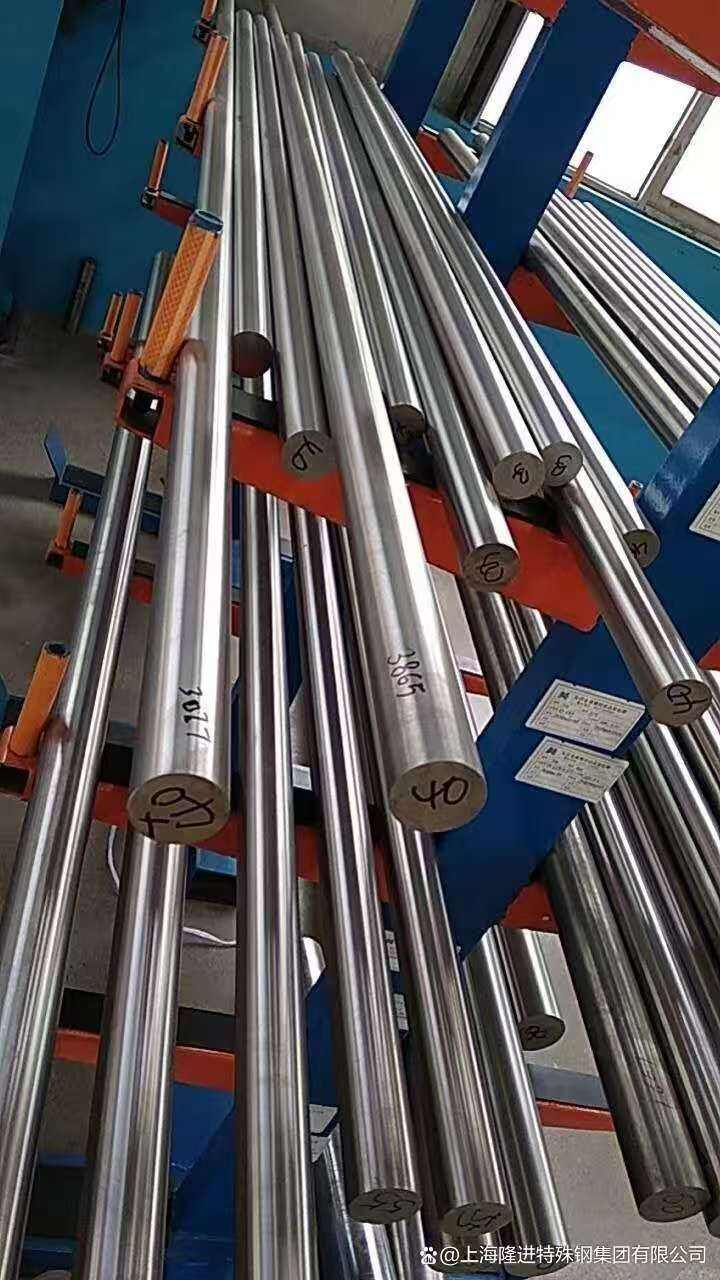
Pressure vessels used in refining and petrochemical processing are another major application area. These vessels must contain high-pressure fluids and gases at elevated temperatures, sometimes in the presence of hydrogen, which can cause embrittlement in lower-grade steels. Alloy steel grades with controlled chemistry and post-weld heat treatment are specified precisely because they maintain their mechanical properties under these aggressive service conditions. The consequences of material failure in this context are severe, which is why alloy steel remains the material of choice despite its higher cost relative to plain carbon steel.
Power Generation and Turbine Components
Power generation facilities, whether thermal, nuclear, or combined-cycle gas turbine plants, depend heavily on alloy steel for components that operate at high temperatures and pressures over extended service lives. Steam turbine rotors, turbine blades, and high-pressure piping systems are manufactured from alloy steel grades engineered for creep resistance, which is the ability to resist slow deformation under sustained load at elevated temperature.
In nuclear power applications, alloy steel is used in reactor pressure vessels and primary circuit components where material integrity is subject to the most rigorous inspection and qualification standards in any industry. The long service intervals required in nuclear plants, often measured in decades, demand materials with proven long-term stability, and alloy steel grades with carefully controlled impurity levels meet this requirement. The energy sector's reliance on alloy steel reflects both the material's technical capabilities and the industry's conservative approach to material qualification.
Alloy Steel in Tooling and Die Manufacturing
Hot Work and Cold Work Tooling
Tooling and die manufacturing represents one of the most technically demanding application areas for alloy steel. Dies used in forging, die casting, extrusion, and stamping operations must withstand extreme mechanical and thermal stresses while maintaining precise dimensional tolerances over large production runs. Alloy steel grades developed specifically for tooling applications, such as those with high chromium, molybdenum, and vanadium content, are engineered to resist thermal fatigue cracking, heat checking, and abrasive wear.
Hot work tooling in particular places exceptional demands on alloy steel. A die used in aluminum or magnesium die casting is repeatedly heated and cooled as molten metal is injected and the casting is ejected. This thermal cycling creates stress gradients within the die material that can initiate surface cracks if the alloy steel does not have sufficient hot strength and thermal conductivity. The selection of the correct alloy steel grade for a given tooling application is therefore a critical engineering decision with direct implications for tool life and production economics.
Mold Bases and Precision Machined Components
Injection mold bases and cavity inserts used in plastics processing are another significant application for alloy steel. These components require good machinability in the annealed condition, followed by the ability to achieve high surface hardness after heat treatment. Alloy steel grades with pre-hardened delivery conditions are widely used in mold base applications because they reduce lead times by eliminating the need for post-machining heat treatment.
Precision machined components used in aerospace fixtures, metrology equipment, and high-accuracy machine tools also rely on alloy steel for its dimensional stability after heat treatment. The ability to achieve tight tolerances and maintain them through the service life of the component is a key reason why alloy steel is specified over alternatives in these precision-critical contexts. The tooling and die sector's use of alloy steel is therefore both broad and technically sophisticated.
Alloy Steel in Construction and Heavy Machinery
Structural Steel for High-Load Applications
In construction, alloy steel is used where structural demands exceed the capacity of standard structural steel grades. High-rise building frames, long-span bridges, and offshore platforms are examples of structures where alloy steel's higher yield strength allows engineers to reduce section sizes and overall steel tonnage while meeting load requirements. This has both economic and practical benefits, as lighter structures are easier to fabricate, transport, and erect.
Alloy steel is also used in ground anchor systems, post-tensioning tendons, and high-strength bolting applications in construction. These components must develop and maintain high tensile loads over the service life of the structure, often in environments where corrosion is a concern. The combination of high strength and the ability to apply protective coatings or use corrosion-resistant alloy steel variants makes this material well suited to demanding structural fastening applications.
Earthmoving and Mining Equipment
Heavy machinery used in earthmoving, mining, and quarrying operations subjects its structural and wear components to some of the most severe service conditions encountered in any industry. Bucket teeth, cutting edges, track links, and ground-engaging tools are manufactured from alloy steel grades selected for their hardness and impact toughness. The ability to resist abrasive wear while absorbing impact energy without fracturing is a balance that only carefully engineered alloy steel grades can achieve.
Crane booms, excavator arms, and loader frames are fabricated from high-strength alloy steel plate that allows equipment designers to build machines with greater reach and lifting capacity without proportionally increasing machine weight. This weight efficiency is commercially important because it affects transport costs, ground bearing pressure, and fuel consumption. The construction and mining equipment sector's dependence on alloy steel is therefore driven by both performance requirements and economic logic.
Alloy Steel in Aerospace and Defense
Airframe and Landing Gear Structures
Aerospace applications represent the most demanding end of the alloy steel usage spectrum. Landing gear components, wing attachment fittings, and actuator housings are manufactured from ultra-high-strength alloy steel grades that must meet extremely tight requirements for fracture toughness, fatigue life, and stress corrosion resistance. The consequences of structural failure in flight are catastrophic, which drives the aerospace industry to specify and qualify alloy steel grades with exceptional rigor.
Alloy steel used in aerospace applications is typically produced to tighter chemistry and cleanliness standards than commercial grades, with strict controls on inclusion content and grain size. These controls directly influence the material's fatigue performance, which is the dominant failure mode for cyclically loaded aerospace structures. The investment in higher-quality alloy steel is justified by the safety margins it provides and the extended inspection intervals it enables.
Defense and Ordnance Applications
Defense applications for alloy steel include armor plate, gun barrels, vehicle hulls, and structural components for military vehicles and naval vessels. Armor-grade alloy steel must balance hardness, which resists penetration, with toughness, which prevents brittle fracture on impact. This balance is achieved through precise alloy chemistry and controlled heat treatment, and it represents one of the most technically demanding applications of alloy steel in any sector.
Gun barrels and breech components must withstand repeated high-pressure firing cycles without fatigue cracking or dimensional distortion. Alloy steel grades with high chromium and molybdenum content are standard in these applications because they maintain their mechanical properties at the elevated temperatures generated during firing. The defense sector's use of alloy steel reflects the material's ability to perform reliably under the most extreme mechanical and thermal conditions encountered in any application.
FAQ
What makes alloy steel different from plain carbon steel?
Alloy steel differs from plain carbon steel in that it contains deliberate additions of one or more alloying elements beyond carbon, such as chromium, molybdenum, nickel, vanadium, or manganese. These additions modify the microstructure and properties of the steel to achieve specific performance targets including higher strength, better toughness, improved wear resistance, or enhanced corrosion resistance. Plain carbon steel relies solely on carbon content to control hardness and strength, which limits its performance range compared to alloy steel.
Is alloy steel suitable for high-temperature applications?
Yes, certain grades of alloy steel are specifically engineered for high-temperature service. Chromium-molybdenum alloy steel grades are widely used in power generation, petrochemical processing, and aerospace applications where components must maintain their strength and resist creep at elevated temperatures. The specific temperature capability depends on the alloy chemistry and heat treatment condition, so grade selection must be matched to the operating temperature range of the application.
How is alloy steel selected for a specific industrial application?
Alloy steel selection is based on a combination of mechanical property requirements, service environment conditions, manufacturing process constraints, and cost considerations. Engineers typically start by defining the minimum strength, hardness, toughness, and corrosion resistance needed for the application, then identify alloy steel grades that meet those requirements. Machinability, weldability, and heat treatment response are also evaluated, particularly for complex components that require multiple manufacturing steps before reaching their final service condition.
Can alloy steel be welded without special precautions?
Alloy steel can be welded, but most grades require careful attention to preheat temperature, interpass temperature control, and post-weld heat treatment to avoid hydrogen-induced cracking and to restore the mechanical properties of the heat-affected zone. The specific welding procedure depends on the alloy content and the carbon equivalent of the grade being welded. Higher-alloy and higher-strength grades generally require more stringent welding controls, and following the material manufacturer's welding recommendations is essential to achieving sound, reliable welds in alloy steel fabrications.

