
 EN
EN
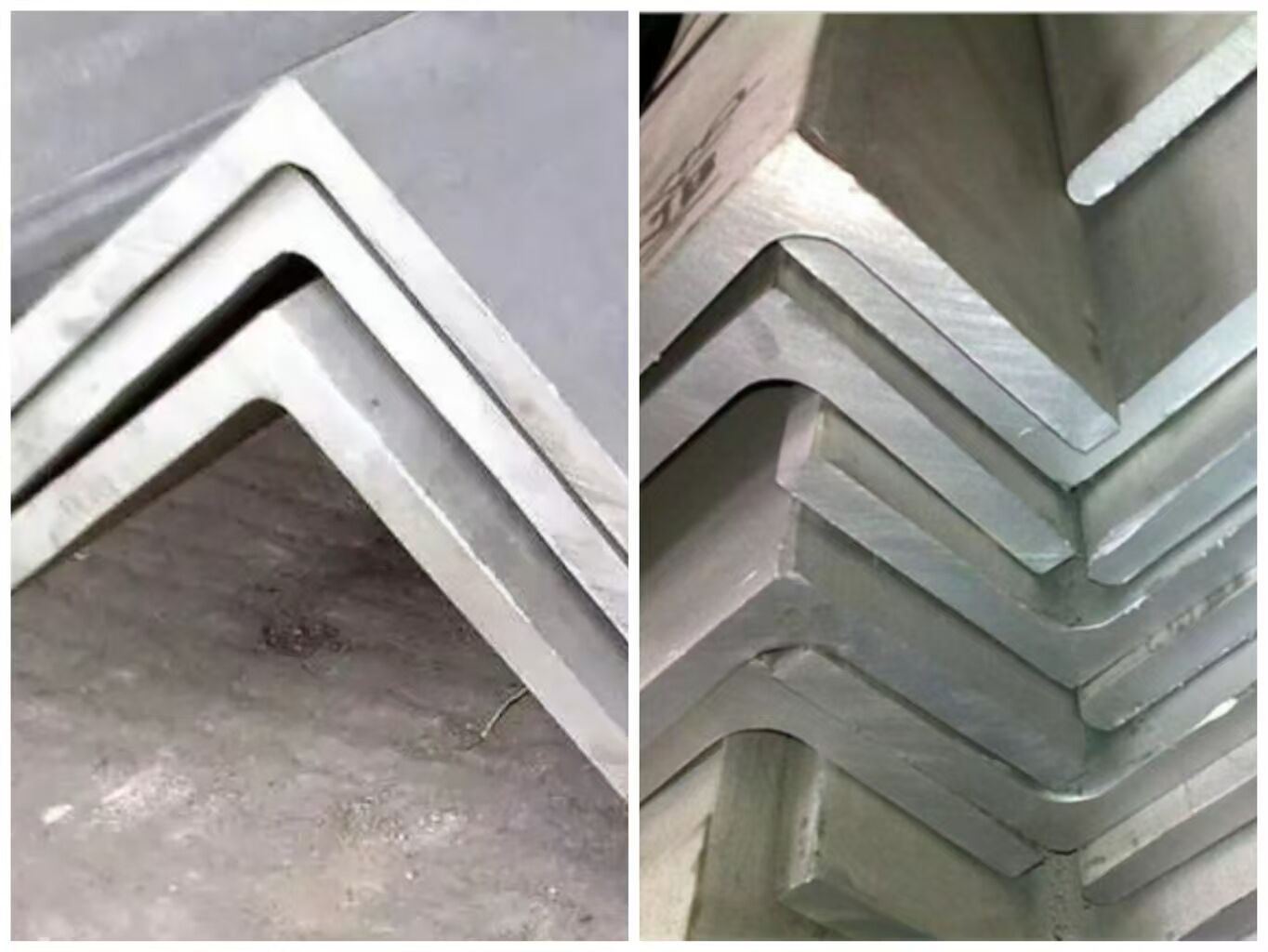
The steel angle is one of the most deceptively simple structural components in modern construction and fabrication. Its L-shaped cross-section, formed by two legs meeting at a right angle, gives it a geometry that punches well above its weight in terms of load-bearing capability, versatility, and ease of integration. From towering steel frameworks to compact machine brackets, this profile has earned its place as a foundational element across dozens of industries.
Understanding where and how steel angle is applied helps engineers, procurement specialists, and project managers make smarter material decisions. Whether you are sourcing for a large-scale infrastructure project or a precision fabrication job, knowing the full range of steel angle applications ensures you select the right profile, grade, and dimensions for the task at hand. This article explores the breadth of those applications, the structural logic behind them, and the practical factors that make steel angle such a reliable choice across so many contexts.
The Structural Logic Behind Steel Angle
Why the L-Shape Works So Well
The defining characteristic of steel angle is its right-angle cross-section, which creates two flat legs that can each bear load independently or work together as a unified structural unit. This geometry distributes stress across two planes simultaneously, which is something a flat bar or round bar simply cannot replicate without additional fabrication. The result is a profile that resists bending, twisting, and shear forces with remarkable efficiency relative to its material weight.
When a steel angle is mounted with one leg horizontal and one vertical, it creates a natural shelf or ledge that can support perpendicular loads without requiring additional brackets or gussets. This self-supporting geometry reduces the number of components needed in an assembly, which in turn lowers fabrication time and overall project cost. Engineers have relied on this principle for well over a century, and it remains just as relevant in contemporary structural design.
The moment of inertia of a steel angle, while lower than that of an I-beam or channel section, is more than sufficient for a wide range of secondary structural roles. When used as bracing, framing, or support members, steel angle delivers the stiffness needed without adding unnecessary mass to the structure. This balance between strength and economy is a key reason why steel angle remains a staple in both heavy industry and light fabrication.
Equal Versus Unequal Leg Profiles
Steel angle is produced in two primary configurations: equal leg and unequal leg. Equal leg steel angle, where both legs share the same length, is the more commonly specified type because it offers symmetrical load distribution and simplifies connection detailing. It is the default choice for most framing, bracing, and support applications where loads are relatively balanced across both axes.
Unequal leg steel angle, by contrast, has one leg longer than the other, which shifts the centroid of the section and changes how it handles bending moments. This profile is preferred in applications where one axis carries significantly more load than the other, such as in certain beam-to-column connections or specialized support brackets. Selecting the correct leg ratio is an important engineering decision that directly affects structural performance.
Both types of steel angle are available in a wide range of leg lengths and thicknesses, allowing designers to fine-tune the section properties to match specific load requirements. Standard grades such as Q235 and ASTM A36 cover the majority of general structural applications, while higher-strength grades are available for demanding environments. This flexibility in specification is one of the reasons steel angle is so widely stocked and readily available in global supply chains.
Construction and Infrastructure Applications
Structural Framing and Secondary Members
In building construction, steel angle serves as a critical secondary structural member. It is used extensively to frame openings in walls, support lintels above doors and windows, and create the skeleton of mezzanine floors and platforms. While primary structural loads are typically carried by columns and beams of heavier section, steel angle handles the distribution of those loads to the primary members with precision and reliability.
Industrial buildings, warehouses, and manufacturing facilities rely heavily on steel angle for purlins, girts, and bracing systems. Purlins made from steel angle span between roof rafters to support roofing sheets, while girts perform the same function on walls. These applications demand consistent dimensional accuracy and reliable yield strength, both of which are standard characteristics of properly specified steel angle.
In steel-framed residential and light commercial construction, steel angle is used to create window and door frames, stair stringers, and balcony edge supports. Its weldability and ease of cutting make it straightforward to fabricate on-site or in a workshop, which keeps installation timelines tight and labor costs manageable. The combination of structural adequacy and fabrication convenience makes steel angle a preferred choice for these applications.
Bridge and Civil Engineering Uses
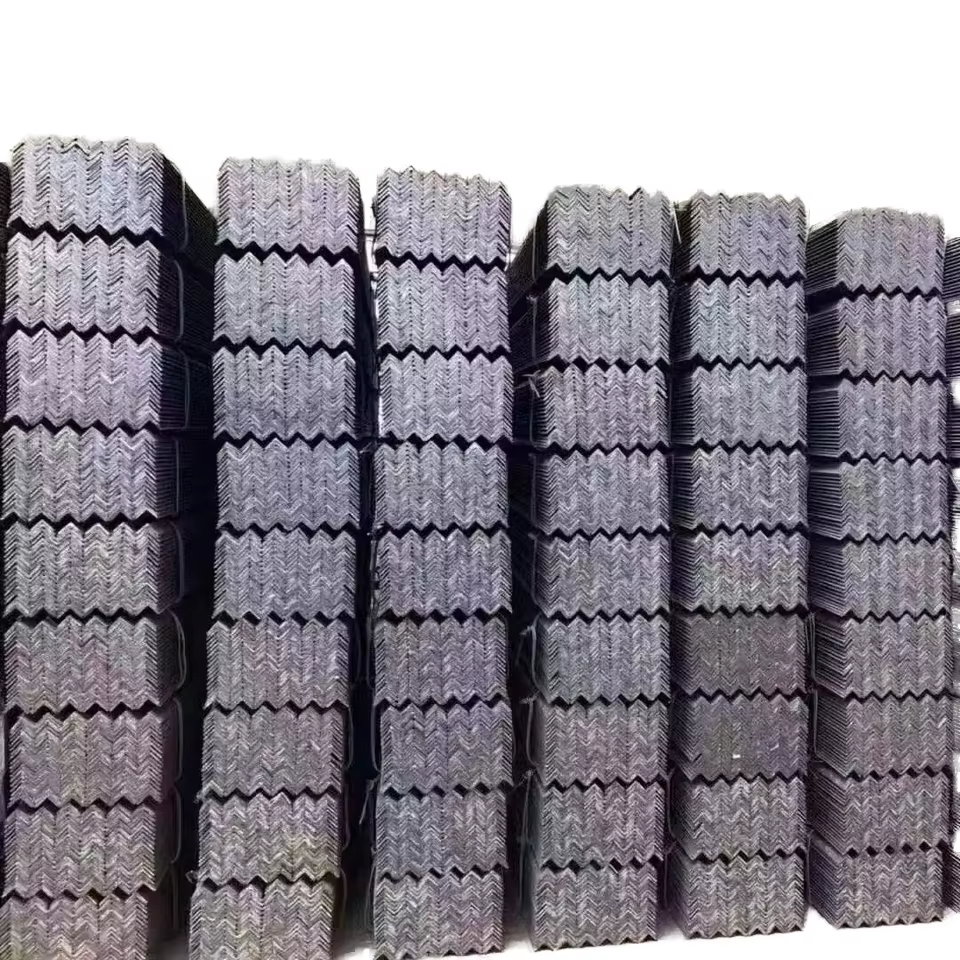
Civil engineers specify steel angle in bridge construction for bracing members, cross-frames, and diaphragms that stabilize the primary girders against lateral buckling. These are not decorative elements — they are load-carrying components that ensure the bridge behaves as a unified structural system under traffic and wind loads. The ability of steel angle to be bolted or welded into complex connection geometries makes it well suited for these roles.
Retaining wall systems, culvert headwalls, and drainage channel linings also incorporate steel angle as edge reinforcement and connection hardware. In these civil applications, the steel angle is often galvanized or coated to resist corrosion from soil contact and moisture exposure. Proper surface treatment extends service life significantly and reduces long-term maintenance costs for infrastructure owners.
Transmission tower construction is another major civil application where steel angle dominates. Lattice towers for power lines and communication masts are almost entirely built from bolted steel angle members, a design approach that has proven its durability over decades of service in harsh outdoor environments. The ease of transporting and assembling individual steel angle members makes this construction method practical even in remote locations.
Industrial and Manufacturing Applications
Machine Frames and Equipment Bases
In manufacturing environments, steel angle is the go-to material for building machine frames, equipment bases, and support structures. Its rigidity and weldability allow fabricators to construct robust frames that resist vibration and maintain dimensional stability under continuous operational loads. A well-designed steel angle frame can support heavy machinery for decades without significant deformation or fatigue.
Conveyor systems, storage racks, workbenches, and assembly fixtures all commonly use steel angle as their primary structural element. The right-angle geometry simplifies the creation of square, level, and plumb assemblies, which is critical in manufacturing environments where dimensional accuracy directly affects product quality. Fabricators appreciate that steel angle can be cut, drilled, and welded with standard shop equipment, keeping production costs low.
In the food processing and pharmaceutical industries, stainless steel angle is specified for equipment frames and support structures where hygiene and corrosion resistance are mandatory. The same structural logic applies, but the material grade is upgraded to meet sanitary standards. This cross-industry adaptability is a testament to how fundamental the steel angle profile is to industrial design.
Shelving, Racking, and Storage Systems
Commercial and industrial storage systems are one of the highest-volume applications for steel angle globally. Slotted steel angle, which features regularly spaced holes or slots along both legs, is the basis for adjustable shelving systems used in warehouses, retail stores, and workshops. The slots allow shelf heights and configurations to be changed without cutting or welding, giving users flexibility to adapt storage layouts as needs evolve.
Heavy-duty pallet racking systems use steel angle as upright columns and horizontal beams, supporting loads that can reach several tonnes per bay. The structural efficiency of steel angle in compression makes it ideal for these tall, heavily loaded configurations. Proper load rating and regular inspection are essential in these applications, as overloading or damage to a single member can compromise the entire racking system.
In archive rooms, libraries, and document storage facilities, lighter gauge steel angle shelving provides a cost-effective and durable alternative to wooden shelving. The non-combustible nature of steel angle is a significant safety advantage in these environments, where fire protection is a priority. The long service life of steel angle shelving also reduces replacement frequency, lowering the total cost of ownership over time.
Fabrication and Custom Metalwork Applications
Brackets, Clips, and Connection Hardware
One of the most widespread uses of steel angle in fabrication is the production of brackets, clips, and connection hardware. A short length of steel angle, cut and drilled to specification, becomes a structural bracket capable of transferring loads between beams, columns, and walls. These components are produced in enormous quantities for both standard and custom applications across the construction and manufacturing sectors.
Curtain wall systems on commercial buildings use steel angle brackets to connect the facade panels to the primary structure. These brackets must accommodate thermal movement, wind loads, and the weight of the cladding while maintaining precise alignment. The dimensional consistency of rolled steel angle makes it reliable for these precision-critical connection details.
In mechanical and electrical installations, steel angle is cut into short sections to create pipe supports, cable tray brackets, and equipment mounting clips. These secondary support components are often fabricated in large batches and installed by trades workers who value the simplicity and predictability of working with steel angle. The material's weldability and paintability make it easy to integrate into any installation environment.
Trailer, Vehicle, and Transport Fabrication
The transport and vehicle fabrication industry is a significant consumer of steel angle. Trailer frames, flatbed decks, and cargo body structures all incorporate steel angle as cross-members, edge reinforcement, and mounting rails. The combination of high strength, moderate weight, and ease of welding makes steel angle a practical choice for these mobile structural applications where every kilogram of dead weight reduces payload capacity.
Agricultural equipment manufacturers use steel angle extensively in the construction of implement frames, grain auger supports, and storage bin structures. These applications demand materials that can withstand outdoor exposure, mechanical impact, and the stresses of field operation. Properly selected and treated steel angle meets these demands reliably and at a cost point that suits agricultural budgets.
In the marine and offshore sector, steel angle is used in ship hull framing, deck support structures, and equipment mounting systems. Marine-grade steel angle with appropriate corrosion protection is specified for these environments, where saltwater exposure and dynamic loading create particularly demanding service conditions. The structural versatility of steel angle makes it adaptable to the complex geometries found in naval architecture.
Selection and Specification Considerations
Matching Profile to Load Requirements
Selecting the correct steel angle for a given application begins with a clear understanding of the loads the member must carry. Axial compression, bending, shear, and combined loading each place different demands on the section, and the leg length, thickness, and steel grade must be chosen to provide adequate capacity with an appropriate safety margin. Undersizing a steel angle member is a structural risk, while oversizing adds unnecessary cost and weight.
For most general structural applications, standard grades such as Q235 or ASTM A36 provide sufficient yield strength and ductility. Higher-strength grades are available for applications where weight reduction is critical or where loads are particularly severe. The choice of grade should always be made in consultation with structural calculations rather than defaulting to the highest available strength, which may introduce weldability or fabrication challenges.
Dimensional tolerances are another important specification consideration, particularly in precision fabrication applications. Rolled steel angle is produced to standard dimensional tolerances, but tighter tolerances can be specified for applications where fit-up accuracy is critical. Understanding the tolerance requirements of the application before ordering helps avoid costly rework during fabrication and assembly.
Surface Treatment and Corrosion Protection
The service environment of a steel angle application directly determines the appropriate surface treatment. For indoor, dry environments, a standard mill finish with a coat of primer and paint is typically sufficient. For outdoor or mildly corrosive environments, hot-dip galvanizing provides a durable zinc coating that protects the steel angle from rust for many years without requiring repainting.
In highly corrosive environments such as coastal locations, chemical processing plants, or wastewater treatment facilities, more aggressive protection strategies are needed. These may include epoxy coatings, thermal spray zinc, or the specification of stainless steel angle in place of carbon steel. The cost of enhanced corrosion protection is almost always justified by the reduction in maintenance costs and the extension of service life.
Proper surface preparation before coating is as important as the coating itself. Steel angle that is blast-cleaned to the appropriate surface profile before painting will hold its coating far longer than steel that is only wire-brushed or hand-cleaned. Specifying the correct surface preparation standard in procurement documents ensures that the corrosion protection system performs as intended throughout the design life of the structure.
FAQ
What is the most common application for steel angle in construction?
The most common construction application for steel angle is as a secondary structural member, including lintels over openings, framing for mezzanine floors, purlins in roof systems, and bracing in steel-framed buildings. Its combination of structural efficiency, ease of fabrication, and wide availability makes it the default choice for these roles across residential, commercial, and industrial construction projects.
How do I choose between equal leg and unequal leg steel angle?
Equal leg steel angle is the standard choice for most applications because it offers symmetrical load distribution and simpler connection detailing. Unequal leg steel angle is specified when the loading is asymmetrical and one axis carries significantly more stress than the other. The decision should be based on structural calculations that account for the actual load direction and magnitude in the specific application.
Can steel angle be used outdoors without special treatment?
Untreated carbon steel angle will begin to rust when exposed to outdoor conditions, which compromises both its appearance and its structural integrity over time. For outdoor applications, steel angle should be hot-dip galvanized, painted with a suitable primer and topcoat system, or specified in a weathering steel grade if the application permits. The appropriate treatment depends on the severity of the environment and the required service life of the structure.
What sizes of steel angle are typically available for industrial projects?
Steel angle is available in a wide range of sizes, with leg lengths typically ranging from around 20mm up to 200mm or more for standard rolled sections. Thickness varies from approximately 3mm for light sections up to 20mm or beyond for heavy structural profiles. Most suppliers stock a core range of common sizes and can source or fabricate non-standard dimensions for projects with specific requirements. Confirming availability early in the design process helps avoid delays during procurement.

