
 EN
EN
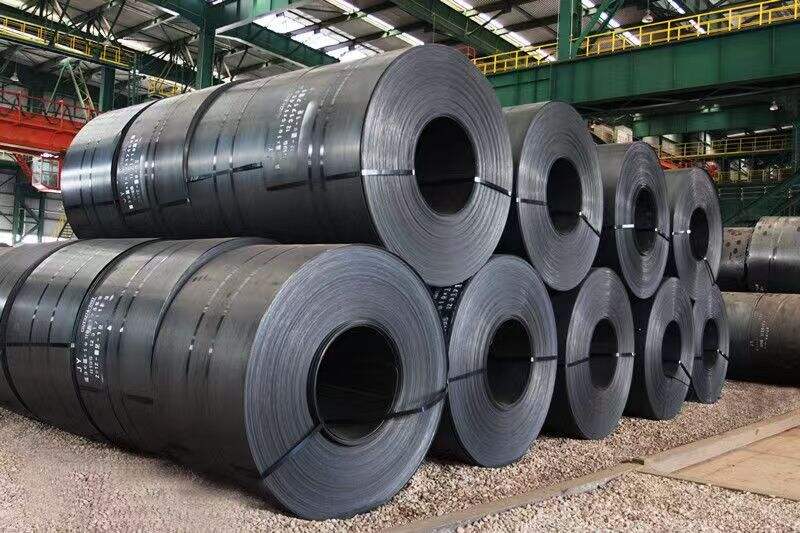
When engineers, procurement managers, and fabricators face a material selection decision, the comparison of alloy steel vs carbon steel is one of the most fundamental choices they encounter. Both materials belong to the broader steel family, yet they differ significantly in composition, mechanical behavior, and suitability for specific industrial applications. Understanding how these two categories compare is not just an academic exercise — it directly influences product performance, manufacturing cost, and long-term reliability in the field.
The debate around alloy steel vs carbon steel has grown more relevant as industries demand materials that can withstand higher stresses, more corrosive environments, and tighter dimensional tolerances. Carbon steel has long been the workhorse of construction and general manufacturing, while alloy steel has carved out a dominant role in high-performance sectors such as aerospace, automotive, and heavy machinery. This article breaks down the key differences, performance characteristics, and decision criteria that separate these two important material categories.
Composition: The Foundation of the Difference
What Carbon Steel Is Made Of
Carbon steel is defined primarily by its iron and carbon content. The carbon percentage typically ranges from 0.05% to 2.0%, and this single variable has a profound effect on the material's hardness, ductility, and weldability. Low-carbon steels, sometimes called mild steels, contain less than 0.3% carbon and are known for their excellent formability. Medium-carbon steels fall between 0.3% and 0.6% carbon, offering a balance of strength and toughness. High-carbon steels, above 0.6%, are harder and more wear-resistant but become increasingly brittle and difficult to weld.
Beyond carbon, small amounts of manganese, silicon, and sulfur are present in carbon steel, but these are considered residual elements rather than intentional alloying additions. The simplicity of carbon steel's composition is one of its greatest commercial advantages — it keeps production costs low and makes the material widely available in standard grades and dimensions. In the context of alloy steel vs carbon steel, this compositional simplicity is both a strength and a limitation.
What Alloy Steel Is Made Of
Alloy steel is produced by intentionally adding one or more alloying elements to the base iron-carbon matrix. Common additions include chromium, nickel, molybdenum, vanadium, tungsten, and manganese in quantities that exceed the threshold levels defined for carbon steel. Each element is chosen to enhance a specific property. Chromium improves corrosion resistance and hardness. Nickel increases toughness and impact resistance at low temperatures. Molybdenum enhances strength at elevated temperatures and improves hardenability.
The deliberate engineering of alloy steel's chemistry allows metallurgists to tailor the material's behavior for demanding service conditions. This is the core distinction in the alloy steel vs carbon steel comparison — alloy steel is a designed material, while carbon steel is a foundational one. The added complexity in composition translates directly into higher raw material costs and sometimes more demanding processing requirements, but it also unlocks performance levels that carbon steel simply cannot match in certain applications.
Mechanical Properties: Strength, Hardness, and Toughness
Mechanical Performance of Carbon Steel
Carbon steel's mechanical properties are largely governed by its carbon content and any heat treatment applied. Low-carbon grades offer tensile strengths typically in the range of 400 to 550 MPa, making them suitable for structural applications, pipelines, and general fabrication. Medium-carbon grades can be heat-treated to achieve tensile strengths approaching 900 MPa, which makes them useful for shafts, gears, and railway components. High-carbon grades, when properly hardened, deliver excellent wear resistance and are used in cutting tools, springs, and wire ropes.
However, carbon steel has notable limitations. As carbon content rises, weldability decreases and the risk of cracking during fabrication increases. Carbon steel also has limited resistance to corrosion, oxidation at elevated temperatures, and impact loading in cold environments. These constraints are central to the alloy steel vs carbon steel discussion because they define the boundaries within which carbon steel can be reliably used without additional protective measures or design compromises.
Mechanical Performance of Alloy Steel
Alloy steel generally outperforms carbon steel across a broader range of mechanical properties. The addition of alloying elements allows for higher tensile and yield strengths, improved toughness, better fatigue resistance, and enhanced performance at both elevated and sub-zero temperatures. Certain alloy steel grades can achieve tensile strengths exceeding 1500 MPa after appropriate heat treatment, making them indispensable in high-stress structural and mechanical components.
Hardenability — the ability of steel to be hardened uniformly through its cross-section — is significantly improved in alloy steel. This is particularly important for large-diameter bars and thick-section components where carbon steel may only harden at the surface. In the alloy steel vs carbon steel comparison, this depth-of-hardening advantage is critical for components like drive shafts, pressure vessel walls, and heavy-duty fasteners that must perform consistently throughout their entire cross-section.
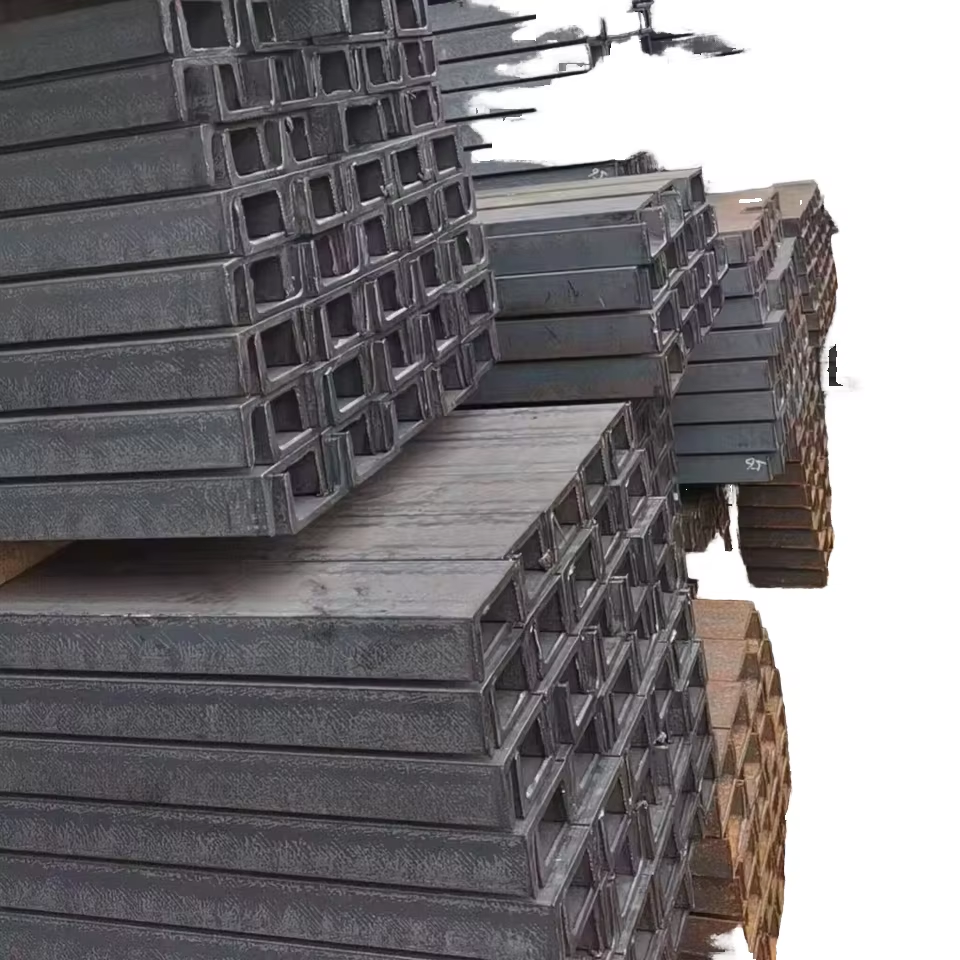
Toughness, which reflects a material's ability to absorb energy before fracturing, is another area where alloy steel holds a clear advantage. Nickel-bearing alloy steels, for example, maintain excellent impact toughness even at temperatures well below freezing, which is essential for equipment operating in arctic or cryogenic environments. This performance gap is one of the most decisive factors when comparing alloy steel vs carbon steel for safety-critical applications.
Corrosion and Heat Resistance
Carbon Steel in Corrosive and High-Temperature Environments
Carbon steel is inherently susceptible to corrosion when exposed to moisture, oxygen, and aggressive chemicals. Without protective coatings, galvanizing, or cathodic protection, carbon steel components will oxidize and degrade over time. This is a well-understood limitation that engineers account for through design margins, surface treatments, and maintenance schedules. In dry, indoor, or controlled environments, carbon steel performs reliably and cost-effectively. But in marine, chemical processing, or outdoor infrastructure applications, its corrosion vulnerability becomes a significant operational concern.
At elevated temperatures, plain carbon steel begins to lose strength and oxidize more rapidly. Above approximately 400°C, the mechanical properties of carbon steel deteriorate noticeably, limiting its use in boilers, heat exchangers, and high-temperature piping without the addition of alloying elements. This thermal limitation is a recurring theme in the alloy steel vs carbon steel comparison for process industry applications.
Alloy Steel in Corrosive and High-Temperature Environments
Alloy steel grades containing chromium, molybdenum, and other elements offer substantially better resistance to both corrosion and high-temperature degradation. Chromium-molybdenum steels, for instance, are widely used in power generation and petrochemical equipment precisely because they retain their strength and resist oxidation at temperatures that would compromise carbon steel. The chromium content forms a passive oxide layer on the surface that slows further oxidation, extending service life in aggressive environments.
It is important to note that not all alloy steels are stainless steels. Low-alloy steels with modest chromium additions offer improved but not complete corrosion resistance. Full corrosion immunity requires the higher chromium levels found in stainless grades. Nevertheless, in the alloy steel vs carbon steel comparison, even low-alloy grades provide a meaningful improvement in environmental durability that justifies their use in many industrial settings where carbon steel would require excessive maintenance or premature replacement.
Machinability, Weldability, and Fabrication Considerations
Working with Carbon Steel in Fabrication
One of the most practical advantages of carbon steel in the alloy steel vs carbon steel comparison is its ease of fabrication. Low and medium-carbon grades are highly weldable using standard processes such as MIG, TIG, and stick welding without the need for pre-heating or post-weld heat treatment in most cases. This simplicity reduces fabrication time and cost, making carbon steel the preferred choice for large-scale structural projects, general engineering components, and applications where welding is a primary joining method.
Machinability is also generally favorable for low and medium-carbon steels. They cut cleanly, produce manageable chips, and do not cause excessive tool wear under normal cutting conditions. High-carbon grades become progressively harder to machine as carbon content increases, but they can still be processed with appropriate tooling and cutting parameters. The overall fabrication friendliness of carbon steel is a key reason it remains the dominant material by volume in global steel consumption.
Working with Alloy Steel in Fabrication
Alloy steel presents more demanding fabrication requirements. Many alloy steel grades require pre-heating before welding to prevent hydrogen-induced cracking, and post-weld heat treatment is often necessary to relieve residual stresses and restore toughness in the heat-affected zone. These additional steps add time and cost to the fabrication process and require more skilled operators and better-equipped facilities. For manufacturers unfamiliar with alloy steel processing, these requirements can introduce quality risks if not properly managed.
Machinability varies widely across alloy steel grades. Some grades machine reasonably well in the annealed condition, while others — particularly those with high hardness or significant alloy content — require carbide tooling, slower cutting speeds, and more frequent tool changes. Despite these challenges, the superior mechanical properties of alloy steel often justify the additional fabrication investment, especially when the finished component must meet stringent performance specifications. In the alloy steel vs carbon steel comparison, fabrication complexity is a real cost factor that must be weighed against the performance benefits.
Application Suitability and Selection Guidance
When Carbon Steel Is the Right Choice
Carbon steel is the appropriate choice when cost efficiency, ease of fabrication, and adequate mechanical performance are the primary drivers. Structural beams, columns, and plates in buildings and bridges are classic carbon steel applications. General-purpose round bars, flat bars, and sections used in manufacturing fixtures, frames, and supports are typically made from carbon steel grades. Pipelines for water, gas, and oil transmission in non-corrosive environments also rely heavily on carbon steel due to its favorable combination of strength, toughness, and cost.
In the alloy steel vs carbon steel decision, carbon steel wins whenever the service environment is benign, the stress levels are moderate, and the production volume is high enough that material cost savings have a meaningful impact on project economics. For commodity applications where performance requirements are well within carbon steel's capabilities, upgrading to alloy steel would add unnecessary cost without delivering proportional benefit.
When Alloy Steel Is the Right Choice
Alloy steel becomes the correct selection when the application demands performance that carbon steel cannot reliably deliver. High-stress mechanical components such as gears, crankshafts, connecting rods, and axles in automotive and heavy machinery applications require the superior strength, fatigue resistance, and hardenability that alloy steel provides. Pressure vessels and piping operating at elevated temperatures in the oil and gas or power generation sectors depend on alloy steel grades to maintain structural integrity over long service lives.
In the alloy steel vs carbon steel comparison, alloy steel is also the preferred option when component size is large and uniform through-hardening is required, when the operating environment involves corrosive media or extreme temperatures, or when weight reduction is a priority and higher-strength alloy grades allow for thinner sections without sacrificing load-bearing capacity. The decision ultimately comes down to a careful analysis of service conditions, performance requirements, fabrication capabilities, and total lifecycle cost rather than upfront material price alone.
FAQ
What is the main difference between alloy steel and carbon steel?
The main difference in the alloy steel vs carbon steel comparison lies in composition. Carbon steel contains iron and carbon as its primary elements, with only residual amounts of other elements. Alloy steel is intentionally produced with additional elements such as chromium, nickel, molybdenum, or vanadium to enhance specific mechanical or chemical properties beyond what carbon alone can achieve.
Is alloy steel always stronger than carbon steel?
Not necessarily in all conditions. While alloy steel generally offers higher strength potential, particularly after heat treatment, high-carbon steel grades can also achieve significant hardness and wear resistance. The alloy steel vs carbon steel strength comparison depends on the specific grades being compared and the heat treatment condition. Alloy steel's advantage is most pronounced in large cross-sections, high-temperature service, and applications requiring a combination of strength and toughness.
Which is more cost-effective, alloy steel or carbon steel?
Carbon steel is typically more cost-effective for general-purpose applications due to its simpler composition and lower raw material costs. However, when evaluating alloy steel vs carbon steel on a total lifecycle basis, alloy steel can be more economical in demanding applications because its superior durability reduces maintenance frequency, extends component service life, and lowers the risk of costly failures. The right choice depends on the specific application requirements and the full cost picture.
Can alloy steel and carbon steel be welded together?
Yes, dissimilar welding between alloy steel and carbon steel is technically possible and is performed in industrial practice. However, it requires careful selection of filler materials, appropriate pre-heat and post-weld heat treatment procedures, and attention to the differing thermal expansion and metallurgical characteristics of the two materials. In the alloy steel vs carbon steel welding context, consulting a qualified welding engineer and following established procedure specifications is essential to ensure joint integrity and avoid cracking or premature failure.

