
 EN
EN
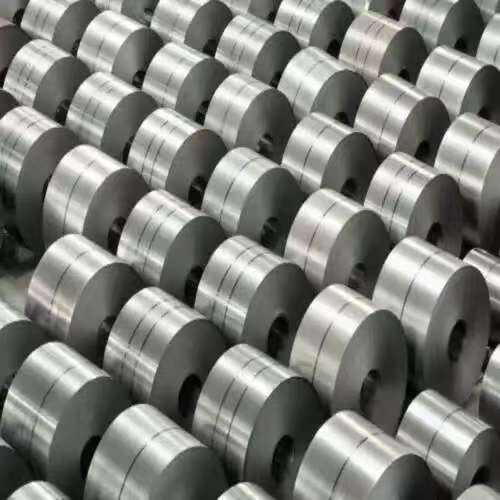
Cold rolled steel represents one of the most versatile and widely utilized materials in modern manufacturing and construction industries. This specialized steel product undergoes a unique processing method that transforms hot rolled steel into a superior material with enhanced dimensional accuracy, improved surface finish, and exceptional mechanical properties. Understanding the characteristics and applications of cold rolled steel is essential for engineers, manufacturers, and procurement professionals who seek optimal material solutions for their projects.
The manufacturing process of cold rolled steel involves passing hot rolled steel through a series of rollers at room temperature, which compresses and shapes the material without the application of heat. This process results in steel products that exhibit superior surface quality, tighter dimensional tolerances, and increased strength compared to their hot rolled counterparts. Industries worldwide rely on cold rolled steel for applications requiring precision, durability, and aesthetic appeal.
Manufacturing Process and Technical Characteristics
Cold Rolling Production Method
The production of cold rolled steel begins with hot rolled steel coils that have been allowed to cool to room temperature. These coils are then fed through a series of precision rollers that apply tremendous pressure to reduce thickness and improve surface quality. The cold rolling process typically reduces the steel thickness by 50 to 90 percent, depending on the desired final specifications. This mechanical deformation work-hardens the steel, increasing its yield strength and tensile strength while maintaining excellent ductility for forming operations.
During the cold rolling process, the steel undergoes significant microstructural changes that enhance its mechanical properties. The grain structure becomes more refined and oriented, resulting in improved strength characteristics and better surface finish. Multiple passes through the rolling mill allow manufacturers to achieve precise thickness tolerances, often within plus or minus 0.001 inches, making cold rolled steel ideal for applications requiring exact dimensional specifications.
Surface Quality and Finish Options
One of the most significant advantages of cold rolled steel is its superior surface finish compared to hot rolled alternatives. The cold rolling process eliminates the scale and oxidation typically found on hot rolled steel surfaces, producing a smooth, clean finish that requires minimal additional processing. This enhanced surface quality makes cold rolled steel particularly suitable for applications where appearance matters or where subsequent coating processes are planned.
Manufacturers can achieve various surface finishes during the cold rolling process, including bright finish, matte finish, and textured surfaces. The bright finish provides a mirror-like appearance that is ideal for decorative applications, while matte finishes offer better paint adhesion and reduced glare. These surface options allow engineers to select the most appropriate cold rolled steel specification for their specific application requirements.
Key Properties and Performance Advantages
Mechanical Properties Enhancement
Cold rolled steel exhibits superior mechanical properties compared to hot rolled steel due to the work-hardening effect of the cold deformation process. The yield strength of cold rolled steel typically ranges from 40,000 to 80,000 PSI, depending on the specific grade and processing parameters. This increased strength allows designers to use thinner sections while maintaining structural integrity, resulting in weight savings and material cost reductions in many applications.
The tensile strength of cold rolled steel also exceeds that of hot rolled steel, typically ranging from 50,000 to 100,000 PSI. This enhanced strength characteristic makes cold rolled steel an excellent choice for structural components, automotive parts, and appliance manufacturing where high strength-to-weight ratios are essential. Additionally, the cold rolling process improves the steel's fatigue resistance, making it suitable for applications subjected to cyclic loading conditions.
Dimensional Accuracy and Tolerances
The precision achievable with cold rolled steel manufacturing processes sets this material apart from other steel products. Thickness tolerances as tight as plus or minus 0.0005 inches are routinely achieved, enabling manufacturers to produce components with minimal machining requirements. This dimensional accuracy reduces manufacturing costs and improves product quality by eliminating the need for extensive secondary operations.
Width and length tolerances for cold rolled steel are equally impressive, with manufacturers capable of maintaining variations within 0.010 inches over significant distances. This precision makes cold rolled steel ideal for applications requiring tight fit-ups, such as automotive body panels, appliance components, and precision machinery parts. The consistent dimensional properties also facilitate automated manufacturing processes and reduce scrap rates in production environments.
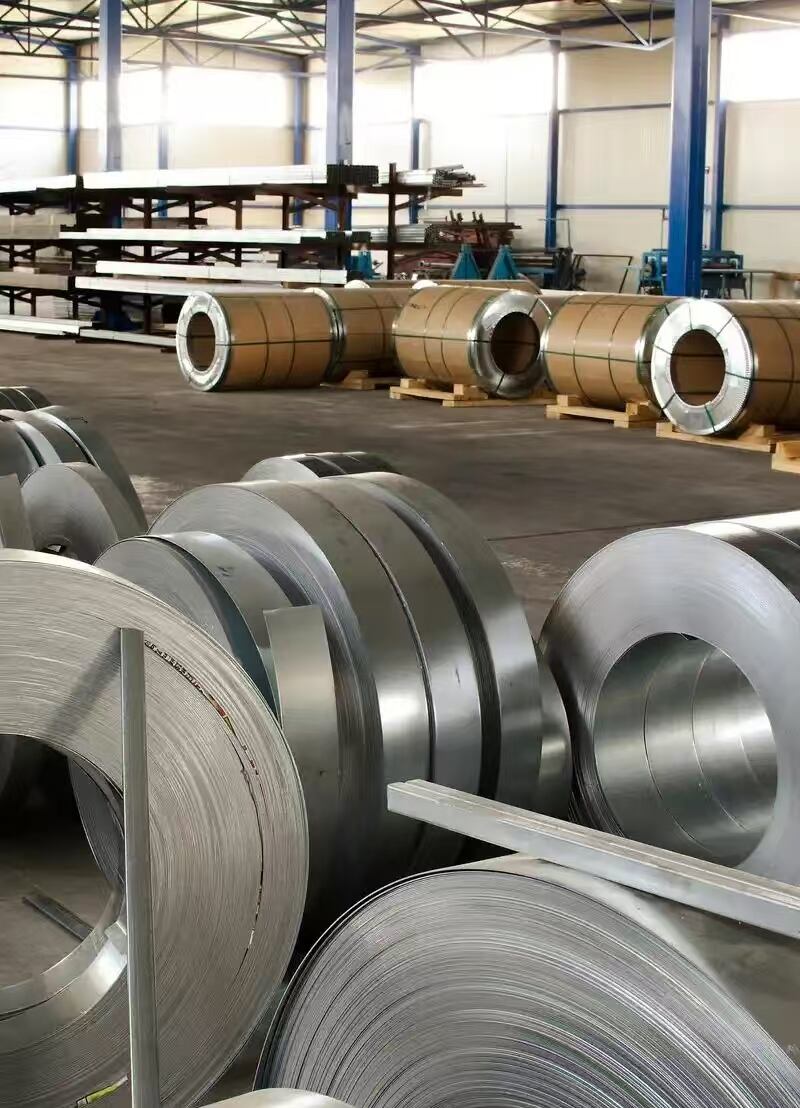
Primary Industrial Applications
Automotive Industry Applications
The automotive industry represents one of the largest consumers of cold rolled steel worldwide, utilizing this material for numerous critical components. Body panels, including doors, hoods, fenders, and roof sections, rely on the superior formability and surface quality of cold rolled steel to achieve the complex shapes and smooth finishes required in modern vehicle design. The material's excellent deep-drawing characteristics enable manufacturers to create intricate panel geometries while maintaining structural integrity.
Structural components within automotive applications also benefit from the enhanced strength properties of cold rolled steel. Frame rails, cross members, and reinforcement brackets manufactured from cold rolled steel provide superior crash protection while minimizing vehicle weight. The material's consistent properties and dimensional accuracy also facilitate automated welding processes, improving production efficiency and quality consistency in automotive manufacturing facilities.
Appliance Manufacturing Sector
Major appliance manufacturers extensively utilize cold rolled steel for both functional and aesthetic components. Washing machine tubs, refrigerator cabinets, and dishwasher panels require the corrosion resistance, formability, and surface quality that cold rolled steel provides. The material's ability to accept various coating systems, including paint, powder coating, and galvanizing, makes it ideal for appliances that must withstand harsh operating environments while maintaining an attractive appearance.
The dimensional stability of cold rolled steel is particularly important in appliance applications where precise tolerances are required for proper operation. Door seals, hinge mounting points, and component interfaces rely on the consistent dimensions achievable with cold rolled steel to ensure proper fit and function throughout the appliance's service life. This reliability reduces warranty costs and enhances customer satisfaction in the competitive appliance market.
Construction and Architecture Uses
Structural Building Components
Cold rolled steel finds extensive application in construction projects where precision and strength are paramount. Light gauge steel framing systems utilize cold rolled steel members for their superior strength-to-weight ratio and dimensional consistency. These framing systems offer advantages over traditional wood construction, including fire resistance, dimensional stability, and resistance to insects and moisture damage.
Metal roofing and siding applications benefit significantly from the surface quality and formability of cold rolled steel. The material's smooth surface provides an excellent base for protective coatings, while its formability allows manufacturers to create complex profiles that enhance both structural performance and aesthetic appeal. The consistent thickness of cold rolled steel also ensures uniform appearance and performance across large building facades.
Architectural Design Elements
Architects and designers frequently specify cold rolled steel for decorative and functional building elements due to its superior surface finish and dimensional accuracy. Curtain wall systems, window frames, and architectural trim components manufactured from cold rolled steel provide the precision and appearance quality demanded in high-end construction projects. The material's ability to accept various finishing treatments allows architects to achieve desired aesthetic effects while maintaining structural performance.
Interior applications of cold rolled steel include elevator doors, stair railings, and decorative panels where both strength and appearance are important considerations. The material's smooth surface eliminates the need for extensive finishing operations, reducing installation costs and project timelines. Additionally, the dimensional consistency of cold rolled steel simplifies the design and fabrication of complex architectural elements that require precise fit-ups during installation.
Manufacturing and Machinery Applications
Precision Component Production
Manufacturing industries rely heavily on cold rolled steel for producing precision components that require tight tolerances and excellent surface finish. Machine bases, brackets, and housings benefit from the dimensional stability and machinability of cold rolled steel. The material's consistent properties reduce machining time and tool wear while improving the accuracy of finished components.
Cold rolled steel's excellent weldability makes it ideal for fabricated assemblies where multiple components must be joined with consistent quality. The clean surface of cold rolled steel eliminates contamination issues during welding, resulting in stronger, more reliable joints. This characteristic is particularly important in manufacturing equipment where weld integrity is critical for operational safety and performance.
Industrial Equipment Manufacturing
Heavy industrial equipment manufacturers utilize cold rolled steel for components requiring high strength and precision. Conveyor systems, material handling equipment, and processing machinery incorporate cold rolled steel components that must withstand significant loads while maintaining dimensional accuracy. The material's fatigue resistance ensures reliable operation in demanding industrial environments.
The versatility of cold rolled steel allows manufacturers to optimize component designs for specific applications. Thickness variations, strength grades, and surface treatments can be tailored to meet unique performance requirements while maintaining cost effectiveness. This flexibility makes cold rolled steel an attractive option for custom industrial equipment where standard materials may not provide optimal performance characteristics.
Specialized Industry Applications
Electronics and Electrical Equipment
The electronics industry utilizes cold rolled steel for enclosures, chassis, and shielding components where electromagnetic compatibility and dimensional precision are essential. The material's consistent thickness and surface quality facilitate the manufacturing of electronic enclosures that provide effective electromagnetic shielding while maintaining precise tolerances for component mounting and connector interfaces.
Electrical panel boxes, switch gear housings, and transformer enclosures manufactured from cold rolled steel provide the strength and dimensional stability required for electrical safety compliance. The material's excellent paintability and coating adhesion ensure long-term corrosion protection in electrical applications where environmental exposure is a concern. Additionally, the non-magnetic properties of certain cold rolled steel grades make them suitable for sensitive electronic applications.
Medical and Laboratory Equipment
Medical device manufacturers and laboratory equipment producers rely on cold rolled steel for applications requiring cleanliness, precision, and corrosion resistance. Surgical instrument cases, laboratory benches, and medical equipment housings benefit from the smooth surface and dimensional accuracy of cold rolled steel. The material's ability to accept specialized coatings, including antibacterial treatments, makes it suitable for healthcare environments.
The dimensional stability of cold rolled steel is particularly important in precision medical and laboratory equipment where calibration accuracy depends on consistent mechanical properties. Analytical instrument components, precision scales, and measurement devices incorporate cold rolled steel elements that maintain their dimensional characteristics throughout extended service periods, ensuring measurement accuracy and equipment reliability.
Quality Standards and Specifications
Industry Standards Compliance
Cold rolled steel production adheres to rigorous industry standards established by organizations such as ASTM International, SAE International, and various national standards bodies. These standards specify chemical composition, mechanical properties, dimensional tolerances, and surface quality requirements that ensure consistent material performance across different suppliers and applications. Compliance with these standards provides engineers and designers with confidence in material selection and performance predictions.
Common specifications for cold rolled steel include ASTM A1008 for general requirements, ASTM A1011 for structural quality, and various automotive specifications such as SAE J403. These standards define testing procedures, acceptance criteria, and quality assurance requirements that manufacturers must meet to supply cold rolled steel for critical applications. Understanding these specifications is essential for proper material selection and procurement processes.
Quality Control and Testing
Manufacturers of cold rolled steel implement comprehensive quality control programs to ensure consistent material properties and dimensional accuracy. Tensile testing, hardness measurement, and dimensional inspection are performed on regular intervals throughout production to verify compliance with applicable standards. Advanced testing equipment, including optical measuring systems and computerized tensile testing machines, ensures accurate and repeatable quality verification.
Surface quality inspection utilizes both visual examination and instrumental methods to detect defects that could affect subsequent processing or end-use performance. Coating weight measurement, surface roughness assessment, and cleanliness evaluation are performed to ensure that cold rolled steel meets the stringent requirements of demanding applications. These quality control measures provide customers with confidence in material consistency and performance reliability.
FAQ
What is the main difference between cold rolled steel and hot rolled steel
The primary difference between cold rolled steel and hot rolled steel lies in their manufacturing processes and resulting properties. Cold rolled steel is processed at room temperature, resulting in superior surface finish, tighter dimensional tolerances, and increased strength compared to hot rolled steel, which is processed at elevated temperatures. Cold rolled steel typically exhibits better dimensional accuracy and surface quality, making it ideal for applications requiring precision and aesthetic appeal, while hot rolled steel is more cost-effective for structural applications where surface finish is less critical.
Can cold rolled steel be welded easily
Yes, cold rolled steel can be welded easily using standard welding techniques including MIG, TIG, and stick welding processes. The clean surface of cold rolled steel actually provides advantages during welding by eliminating scale and oxidation that can cause weld contamination. However, the higher carbon content in some cold rolled steel grades may require preheating or post-weld heat treatment to prevent cracking in thick sections. Proper welding procedures and filler metal selection ensure high-quality welds with excellent strength and durability.
What thicknesses are available for cold rolled steel
Cold rolled steel is available in a wide range of thicknesses, typically from 0.006 inches to 0.25 inches for sheet products and up to several inches for plate applications. The most common thickness range for industrial applications is between 0.024 inches and 0.135 inches, which covers the majority of automotive, appliance, and general manufacturing requirements. Custom thicknesses can often be produced to meet specific application needs, with manufacturers capable of maintaining tight thickness tolerances throughout the specified range.
How does cold rolled steel compare in cost to other steel products
Cold rolled steel typically costs more than hot rolled steel due to the additional processing steps required for its production, but it often provides better value when considering total project costs. The superior surface finish and dimensional accuracy of cold rolled steel can eliminate secondary operations such as grinding, machining, or surface preparation, potentially reducing overall manufacturing costs. When compared to other precision materials such as stainless steel or aluminum alloys, cold rolled steel often provides significant cost advantages while delivering adequate performance for many applications.

