
 EN
EN
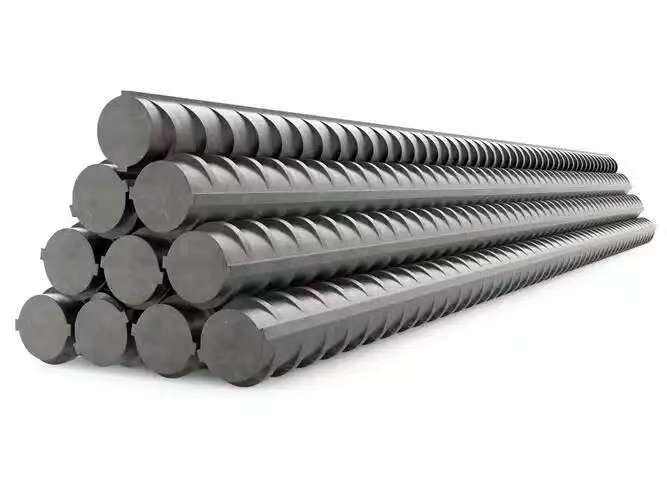
Industrial steel fabrication serves as the backbone of modern construction and manufacturing projects, transforming raw steel materials into precise structural components that define the integrity of buildings, bridges, and industrial facilities. This complex manufacturing process involves cutting, bending, welding, and assembling steel elements to create custom solutions that meet specific engineering requirements. The importance of industrial steel fabrication cannot be overstated in today's construction landscape, where precision, durability, and efficiency determine project success.
Understanding Industrial Steel Fabrication Fundamentals
Core Processes in Steel Fabrication
Industrial steel fabrication encompasses several critical manufacturing processes that transform basic steel materials into engineered structural components. The primary operations include cutting, where steel plates and sections are precisely dimensioned using plasma, laser, or flame cutting techniques. Bending operations shape steel into required angles and curves, while welding permanently joins components to create complex assemblies. These fundamental processes ensure that each fabricated element meets exact specifications for strength, dimension, and functionality.
Advanced machining operations complement traditional fabrication techniques, allowing for precise hole drilling, surface finishing, and detail work that enhances both structural performance and aesthetic appeal. Quality control measures throughout each stage of industrial steel fabrication guarantee that finished products conform to engineering drawings and industry standards. Modern fabrication facilities integrate computer-controlled equipment that enhances accuracy while reducing production time and material waste.
Material Selection and Quality Standards
The success of any industrial steel fabrication project depends heavily on appropriate material selection and adherence to recognized quality standards. Common structural steel grades like S235JR, S275JR, and S355JR offer different strength characteristics suitable for various applications, while specialized alloys provide enhanced corrosion resistance or high-temperature performance. Material certification ensures traceability and compliance with international standards such as ASTM, EN, and JIS specifications.
Quality assurance in industrial steel fabrication involves rigorous testing protocols including chemical composition analysis, mechanical property verification, and dimensional inspection. Non-destructive testing methods such as ultrasonic examination and magnetic particle inspection detect potential flaws that could compromise structural integrity. These comprehensive quality measures protect against premature failure and ensure long-term performance in demanding industrial environments.
Applications Across Industrial Sectors
Construction and Infrastructure Projects
Industrial steel fabrication plays a crucial role in construction projects ranging from commercial buildings to major infrastructure developments. Structural steel frameworks provide the skeleton for high-rise buildings, offering superior strength-to-weight ratios compared to alternative materials. Bridge construction relies heavily on fabricated steel components that can span vast distances while supporting dynamic loads from vehicular and pedestrian traffic. The versatility of industrial steel fabrication enables architects and engineers to realize complex designs that would be impossible with other construction materials.
Pre-engineered building systems demonstrate the efficiency advantages of industrial steel fabrication in construction applications. These standardized yet customizable structures reduce construction time while maintaining structural performance standards. Industrial facilities, warehouses, and manufacturing plants benefit from the clear spans and flexible layouts that fabricated steel structures provide, enabling efficient operations and future modifications as business needs evolve.
Manufacturing and Processing Industries
Manufacturing facilities depend on industrial steel fabrication for creating specialized equipment frames, support structures, and processing platforms that withstand heavy machinery vibrations and operational stresses. Petrochemical plants utilize fabricated steel components for piping systems, reactor supports, and containment structures that must resist corrosive environments and extreme temperatures. The precision achievable through modern industrial steel fabrication ensures proper fit-up and alignment of complex mechanical systems.
Mining operations require robust steel structures capable of supporting heavy equipment and conveyor systems in harsh environmental conditions. Industrial steel fabrication provides the durability and strength necessary for these demanding applications while enabling modular construction that facilitates maintenance and expansion activities. Power generation facilities similarly rely on fabricated steel components for turbine foundations, cooling tower structures, and transmission line supports.
Design Considerations and Engineering Requirements
Structural Analysis and Load Calculations
Successful industrial steel fabrication projects begin with comprehensive structural analysis that determines load requirements, deflection limits, and safety factors. Engineers must consider dead loads from the structure itself, live loads from occupancy and equipment, and environmental loads such as wind, seismic, and snow forces. Advanced finite element analysis software enables precise modeling of complex structures, optimizing member sizes and connection details for maximum efficiency. These analytical tools ensure that fabricated components will perform adequately under all anticipated loading conditions.
Connection design represents a critical aspect of industrial steel fabrication, as joints often govern overall structural performance. Welded connections provide continuous load transfer and aesthetic appeal, while bolted connections offer field assembly convenience and future modification capabilities. The selection of appropriate connection methods depends on loading conditions, accessibility requirements, and maintenance considerations. Proper connection design ensures that fabricated structures can redistribute loads effectively during extreme events.
Fabrication Tolerances and Assembly Requirements
Industrial steel fabrication must achieve precise dimensional tolerances to ensure proper fit-up during field assembly. Standard fabrication tolerances typically range from plus or minus 1/16 inch for small components to plus or minus 1/4 inch for large structural members. Tighter tolerances may be required for specialized applications such as machinery foundations or architectural features. Advanced cutting and machining equipment enables fabricators to achieve these demanding precision requirements consistently.
Assembly sequence planning considers transportation limitations, crane capacity, and site access constraints that influence fabrication approaches. Modular construction techniques allow large structures to be divided into manageable pieces that can be efficiently transported and erected. Industrial steel fabrication shops must coordinate closely with construction teams to ensure that fabricated components arrive on schedule and in proper sequence for installation. This coordination minimizes field delays and reduces overall project costs.
Quality Control and Testing Procedures
Inspection Methods and Standards
Quality control in industrial steel fabrication begins with incoming material inspection to verify grade, dimensions, and surface condition of raw materials. Visual inspection identifies surface defects, while dimensional checks ensure conformance to specified tolerances. Chemical analysis confirms material composition, and mechanical testing verifies strength properties. These initial inspections prevent defective materials from entering the fabrication process and compromising finished product quality.
In-process inspection occurs throughout fabrication operations to identify and correct deviations before they become costly rework items. Welding inspection includes visual examination of joint preparation, welding technique observation, and final weld quality assessment. Non-destructive testing methods such as radiographic, ultrasonic, and dye penetrant examination detect internal and surface discontinuities that could affect structural performance. These comprehensive inspection procedures ensure that industrial steel fabrication meets or exceeds specified quality requirements.
Certification and Documentation Requirements
Industrial steel fabrication projects typically require extensive documentation to demonstrate compliance with applicable codes and standards. Material test reports provide chemical composition and mechanical property data for all steel components. Welding procedure specifications document approved welding techniques, while welder qualification records demonstrate personnel competency. Inspection reports summarize quality control activities and test results throughout the fabrication process.
Third-party inspection services may be required for critical applications such as pressure vessels, bridges, or seismic-resistant structures. Independent inspectors verify that fabrication procedures comply with project specifications and industry standards. Their certification provides additional assurance to project owners and regulatory authorities that industrial steel fabrication meets safety and performance requirements. Proper documentation facilitates project acceptance and provides valuable records for future maintenance activities.
Economic Benefits and Cost Considerations
Cost-Effectiveness Analysis
Industrial steel fabrication offers significant economic advantages compared to alternative construction methods, particularly for large-scale projects requiring high strength and durability. The speed of steel construction reduces labor costs and project schedules, enabling earlier occupancy and revenue generation. Pre-fabrication in controlled shop environments improves quality while reducing field labor requirements and weather-related delays. These factors combine to provide superior value proposition for many industrial applications.
Life-cycle cost analysis reveals additional benefits of industrial steel fabrication beyond initial construction expenses. Steel structures require minimal maintenance when properly designed and protected against corrosion. The recyclability of steel components provides residual value at end-of-service life, while structural modifications and expansions can often be accomplished without complete reconstruction. These long-term economic benefits justify initial investment in quality industrial steel fabrication.
Market Trends and Future Outlook
The industrial steel fabrication market continues to evolve with technological advances and changing industry requirements. Automation in fabrication processes improves consistency while reducing labor costs and safety risks. Advanced materials such as high-strength low-alloy steels enable lighter structures with equivalent performance, reducing material and transportation costs. Building Information Modeling integration streamlines design coordination and fabrication planning.
Sustainability considerations increasingly influence industrial steel fabrication practices, with emphasis on energy-efficient production methods and recycled content utilization. Green building certification programs recognize the environmental benefits of steel construction, including recyclability and reduced carbon footprint compared to concrete alternatives. These trends position industrial steel fabrication as a preferred solution for environmentally conscious construction projects seeking long-term performance and sustainability.
FAQ
What are the main advantages of industrial steel fabrication over other construction methods
Industrial steel fabrication offers superior strength-to-weight ratios, faster construction schedules, and excellent durability compared to concrete or wood construction. Steel structures can span greater distances without intermediate supports, providing flexible interior layouts for industrial facilities. The precision achievable in shop fabrication ensures consistent quality and dimensional accuracy that field construction methods cannot match. Additionally, steel's recyclability and long service life provide environmental and economic benefits throughout the structure's lifecycle.
How do fabrication tolerances affect project quality and costs
Fabrication tolerances directly impact field assembly efficiency and overall project quality in industrial steel fabrication. Tighter tolerances ensure proper fit-up and alignment but increase fabrication costs and production time. Standard industry tolerances provide adequate performance for most applications while maintaining cost-effectiveness. Exceeding specified tolerances can result in field modification requirements, assembly delays, and increased construction costs that far exceed the savings from relaxed fabrication standards.
What quality control measures are essential for structural steel fabrication projects
Essential quality control measures in industrial steel fabrication include material certification verification, dimensional inspection throughout production, and comprehensive welding inspection programs. Non-destructive testing methods such as ultrasonic and radiographic examination detect internal flaws that visual inspection cannot identify. Proper documentation of all inspection activities provides traceability and demonstrates compliance with project specifications and industry standards.
How does industrial steel fabrication support sustainable construction practices
Industrial steel fabrication supports sustainability through high recycled content utilization, energy-efficient production methods, and complete recyclability at end-of-service life. Steel structures typically require less maintenance than alternative materials, reducing lifecycle environmental impact. The durability and adaptability of fabricated steel structures enable building modifications and expansions without complete reconstruction, extending useful life and reducing waste generation.
Table of Contents
- Understanding Industrial Steel Fabrication Fundamentals
- Applications Across Industrial Sectors
- Design Considerations and Engineering Requirements
- Quality Control and Testing Procedures
- Economic Benefits and Cost Considerations
-
FAQ
- What are the main advantages of industrial steel fabrication over other construction methods
- How do fabrication tolerances affect project quality and costs
- What quality control measures are essential for structural steel fabrication projects
- How does industrial steel fabrication support sustainable construction practices

