
 EN
EN
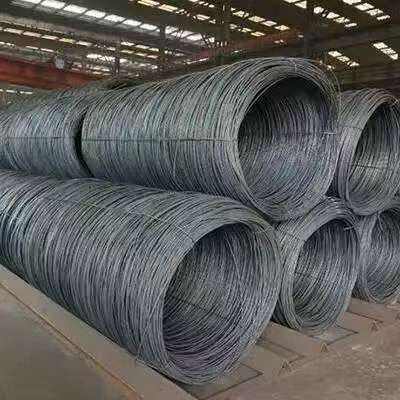
Steel rebar represents one of the most critical components in modern construction, serving as the backbone that transforms ordinary concrete into reinforced concrete capable of withstanding tremendous loads and stresses. This steel reinforcement material has revolutionized the construction industry by enabling architects and engineers to design taller buildings, longer bridges, and more durable infrastructure projects. The integration of steel rebar into concrete structures creates a composite material that combines concrete's compressive strength with steel's tensile capabilities, resulting in construction solutions that can endure decades of service while maintaining structural integrity.
Enhanced Structural Strength and Load Distribution
Superior Tensile Strength Properties
The primary advantage of incorporating steel rebar into building construction lies in its exceptional tensile strength characteristics. While concrete excels at resisting compression forces, it demonstrates significant weakness when subjected to tension or bending forces. Steel rebar addresses this fundamental limitation by providing the necessary tensile resistance that concrete lacks. When properly embedded within concrete structures, steel rebar creates a unified system where each material contributes its strongest properties to the overall performance of the construction element.
Modern steel rebar specifications ensure consistent material properties that engineers can rely upon for precise structural calculations. The standardized manufacturing processes guarantee that each bar meets specific yield strength requirements, typically ranging from 400 to 500 megapascals for common construction grades. This reliability enables structural engineers to design buildings with confidence, knowing that the reinforcement will perform as expected under various loading conditions throughout the structure's service life.
Optimal Load Transfer Mechanisms
Steel rebar facilitates efficient load transfer throughout building structures by creating continuous reinforcement networks that distribute forces across multiple structural elements. The ribbed surface texture of modern rebar provides enhanced mechanical bonding with concrete, ensuring that loads are transferred effectively between the two materials. This bonding mechanism prevents slippage and maintains the integrity of the composite reinforced concrete system even under extreme loading conditions.
The strategic placement of steel rebar within concrete elements enables the creation of moment-resistant connections that can handle complex loading scenarios. Engineers utilize sophisticated reinforcement patterns to ensure that forces are distributed along predetermined paths, preventing stress concentrations that could lead to structural failures. This systematic approach to load distribution contributes significantly to the overall safety and reliability of reinforced concrete buildings.
Long-Term Durability and Weather Resistance
Corrosion Protection and Longevity
Modern steel rebar incorporates advanced metallurgical properties and protective measures that significantly enhance its resistance to corrosion and environmental degradation. The alkaline environment within concrete provides natural protection for embedded steel rebar by forming a passive oxide layer that prevents corrosion initiation. This protective mechanism ensures that properly constructed reinforced concrete structures can maintain their structural integrity for many decades without requiring major reinforcement replacement or rehabilitation.
Quality steel rebar manufacturing processes include precise control of chemical composition, particularly carbon content and alloying elements, to optimize both strength and durability characteristics. The controlled cooling and heat treatment procedures employed during production create microstructures that resist environmental attack while maintaining the mechanical properties necessary for structural applications. These manufacturing advances have substantially improved the service life expectations for reinforced concrete structures in various environmental conditions.
Environmental Adaptation Capabilities
Steel rebar demonstrates remarkable adaptability to diverse environmental conditions, making it suitable for construction projects in various climatic zones and exposure conditions. The material maintains its structural properties across wide temperature ranges, ensuring consistent performance whether the building experiences extreme heat, freezing conditions, or significant temperature fluctuations. This thermal stability contributes to the dimensional stability of reinforced concrete structures and prevents the development of thermal stress-related cracking.
The resistance of steel rebar to seismic forces represents another crucial durability advantage, particularly in earthquake-prone regions. The ductile properties of properly specified steel rebar allow reinforced concrete structures to absorb and dissipate seismic energy through controlled deformation without experiencing catastrophic failure. This capability enables buildings to survive major seismic events while protecting occupants and maintaining sufficient structural integrity for post-earthquake evaluation and potential repair.
Economic Advantages and Cost Efficiency
Material Cost Optimization
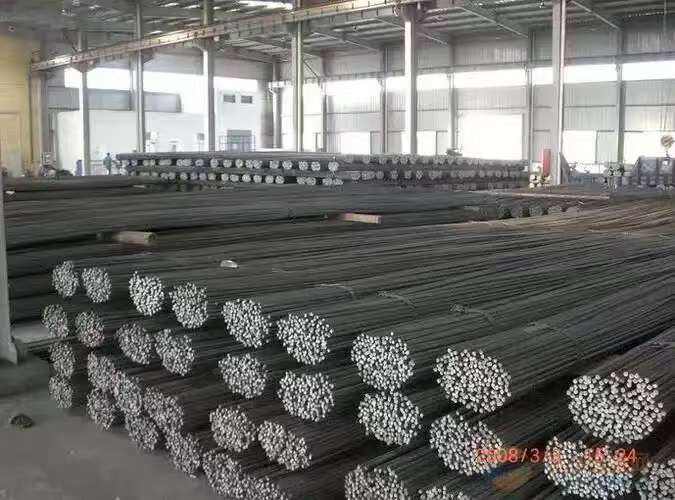
The incorporation of steel rebar into concrete construction offers significant economic advantages through material optimization and reduced overall construction costs. By enabling the use of concrete in structural applications that would otherwise require more expensive materials, steel rebar makes reinforced concrete construction highly cost-effective for a wide range of building types. The relatively low cost of steel rebar compared to structural steel or other alternative reinforcement materials contributes to substantial savings in material procurement for construction projects.
The standardization of steel rebar sizes, grades, and specifications facilitates efficient procurement and inventory management for construction companies and contractors. This standardization reduces the complexity of material ordering and ensures availability of required reinforcement materials when needed during construction schedules. The predictable pricing patterns of steel rebar also enable more accurate cost estimation during project planning phases, contributing to better budget control and financial management for construction projects.
Construction Efficiency Benefits
Steel rebar construction techniques have been refined over decades of practical application, resulting in well-established installation procedures that maximize construction efficiency and minimize labor costs. The familiarity of construction workers with steel rebar handling and placement reduces training requirements and enables consistent productivity rates across different projects and construction teams. This efficiency translates into faster construction schedules and reduced labor costs for building projects.
The compatibility of steel rebar with standard concrete construction equipment and procedures eliminates the need for specialized tools or techniques that would increase construction complexity and costs. Contractors can utilize existing equipment for rebar cutting, bending, and placement operations, avoiding capital investments in specialized machinery. This compatibility also facilitates the integration of reinforced concrete construction into complex building projects without disrupting established construction workflows.
Design Flexibility and Engineering Applications
Architectural Design Freedom
Steel rebar enables architects and structural engineers to achieve remarkable design flexibility by supporting complex geometries and innovative structural configurations that would be impossible with unreinforced concrete alone. The ability to bend and shape steel rebar into virtually any required configuration allows for the creation of curved walls, complex beam arrangements, and intricate architectural details while maintaining structural adequacy. This flexibility has enabled the construction of iconic buildings and structures that push the boundaries of architectural expression.
The high strength-to-weight ratio of steel rebar permits the construction of slender structural elements that maximize usable space while maintaining required structural performance. This characteristic proves particularly valuable in urban construction projects where space optimization is critical for economic viability. Engineers can design thinner walls, smaller columns, and more efficient floor systems by leveraging the reinforcing capabilities of steel rebar embedded within concrete elements.
Specialized Construction Applications
Steel rebar construction techniques accommodate a vast range of specialized building applications, from high-rise residential towers to industrial facilities requiring heavy load-bearing capacity. The material's versatility allows engineers to customize reinforcement designs for specific performance requirements, whether the priority is seismic resistance, blast protection, or support for heavy machinery and equipment. This adaptability makes steel rebar suitable for virtually any concrete construction application.
Advanced steel rebar applications include pre-stressed and post-tensioned construction techniques that further enhance the capabilities of reinforced concrete structures. These specialized applications enable the construction of long-span bridges, large-column-free spaces, and other structures that require exceptional structural performance. The continued development of steel rebar technology and application techniques ensures that this versatile reinforcement material will continue to enable innovative construction solutions.
Safety and Building Code Compliance
Structural Safety Enhancement
The use of steel rebar in concrete construction significantly enhances structural safety by providing redundancy and progressive failure characteristics that protect building occupants during extreme loading events. Unlike brittle failure modes associated with unreinforced concrete, properly reinforced concrete structures exhibit warning signs before reaching ultimate capacity, allowing for evacuation and preventive measures. This ductile behavior represents a fundamental safety advantage that has led to widespread adoption of reinforced concrete construction in building codes worldwide.
Steel rebar reinforcement creates multiple load paths within concrete structures, ensuring that the failure of individual elements does not necessarily lead to progressive collapse of entire structural systems. This redundancy provides essential safety margins that protect against unforeseen loading conditions, construction defects, and material degradation over time. The robust safety characteristics of steel rebar reinforced concrete have been validated through decades of successful performance in buildings subjected to various extreme conditions.
Code Compliance and Standards
Modern building codes extensively regulate the use of steel rebar in construction applications, establishing minimum requirements for material properties, placement procedures, and design methodologies that ensure consistent structural performance. These comprehensive standards reflect accumulated knowledge from research, testing, and field experience with reinforced concrete construction. Compliance with established codes provides legal protection for designers and contractors while ensuring that buildings meet minimum safety requirements for public occupancy.
The continuous evolution of building codes incorporates advances in steel rebar technology and construction techniques, ensuring that regulatory requirements keep pace with industry developments. Regular updates to material specifications and design procedures reflect improved understanding of reinforced concrete behavior and incorporate lessons learned from structural performance evaluations. This dynamic regulatory environment supports the continued improvement of construction quality and safety standards.
FAQ
What makes steel rebar superior to other reinforcement materials
Steel rebar offers superior tensile strength, ductility, and bond characteristics compared to alternative reinforcement materials like fiber reinforcement or structural fibers. Its proven performance record, standardized properties, and cost-effectiveness make it the preferred choice for most concrete reinforcement applications. The material's ability to undergo significant deformation before failure provides essential safety margins that alternative materials often cannot match.
How does steel rebar improve concrete structural performance
Steel rebar transforms plain concrete from a compression-only material into a composite system capable of resisting both tension and compression forces. This combination enables concrete structures to support much larger loads, span greater distances, and resist dynamic forces like wind and seismic loads. The bonding between steel rebar and concrete creates a unified structural element that performs better than either material alone.
What factors determine steel rebar durability in buildings
Steel rebar durability depends on proper concrete cover thickness, concrete quality, environmental exposure conditions, and construction practices. Adequate concrete cover protects the steel from corrosion by maintaining alkaline conditions around the reinforcement. High-quality concrete with low permeability prevents aggressive substances from reaching the steel rebar, while proper construction techniques ensure optimal bonding and protection.
Can steel rebar be used in all types of building construction
Steel rebar is suitable for virtually all types of reinforced concrete construction, including residential buildings, commercial structures, industrial facilities, and infrastructure projects. The material's versatility allows engineers to adapt reinforcement designs to specific project requirements, whether the priority is economy, high strength, seismic resistance, or other specialized performance characteristics. Different grades and sizes of steel rebar accommodate various structural demands and construction applications.

