
 EN
EN
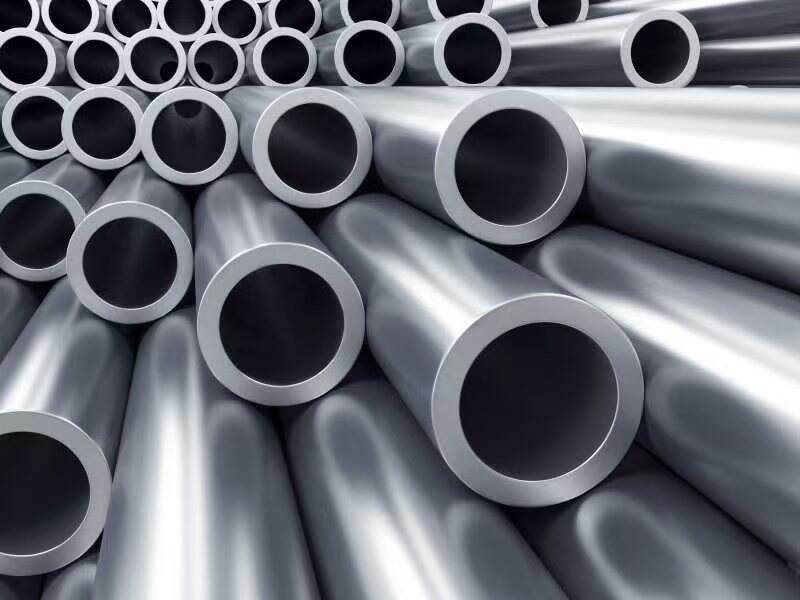
In modern construction and engineering projects, structural integrity serves as the foundation for safe and durable buildings. Among the various materials available to engineers and architects, square metal pipe has emerged as a crucial component that significantly enhances the overall strength and stability of structures. This versatile material offers unique geometric advantages that make it superior to traditional round pipes in many applications, providing exceptional load-bearing capacity and resistance to various forces.
Fundamental Properties of Square Metal Pipe in Construction
Material Composition and Manufacturing Standards
The manufacturing process of square metal pipe involves precision rolling and welding techniques that create uniform wall thickness and consistent dimensional accuracy. High-quality steel grades such as Q195 and Q215 are commonly used, providing excellent tensile strength and ductility. These materials undergo rigorous quality control measures to ensure they meet international construction standards and can withstand the demanding requirements of structural applications.
Modern production facilities utilize advanced cold-forming processes that maintain the molecular structure of the steel while achieving precise geometric specifications. This manufacturing approach results in square metal pipe products with superior surface finish, dimensional stability, and mechanical properties that remain consistent throughout the entire length of the pipe.
Geometric Advantages Over Round Alternatives
The square cross-sectional profile offers distinct advantages in structural applications compared to circular pipes. The flat surfaces provide increased surface area for connections and welding, resulting in stronger joints and more reliable assemblies. Additionally, the corner reinforcement inherent in the square design creates natural stress distribution points that enhance overall structural performance.
Square metal pipe also offers improved space utilization in construction projects, as the flat sides can be positioned flush against other structural elements or building surfaces. This characteristic reduces material waste and allows for more efficient use of available space in both commercial and residential construction projects.
Load-Bearing Capacity and Stress Distribution
Compression and Tension Resistance
When subjected to compressive forces, square metal pipe demonstrates exceptional resistance due to its uniform cross-sectional geometry. The four corners of the square profile act as reinforcement points that distribute load evenly across the entire structure. This distribution mechanism prevents localized stress concentrations that could lead to premature failure in other pipe configurations.
Under tensile loading conditions, the square profile maintains its structural integrity by utilizing the full cross-sectional area effectively. The uniform wall thickness ensures that stress is distributed evenly throughout the material, maximizing the load-carrying capacity and extending the service life of the structural element.
Bending Moment Resistance
The moment of inertia of square metal pipe provides superior resistance to bending forces compared to equivalent weight round pipes. This enhanced bending resistance makes square profiles particularly suitable for applications involving horizontal spans, cantilevers, and other structural elements subject to flexural loading.
Engineers can optimize structural designs by taking advantage of the directional properties of square metal pipe, orienting the profiles to align with primary load paths and maximize structural efficiency. This optimization leads to more economical designs that require less material while maintaining required safety factors.
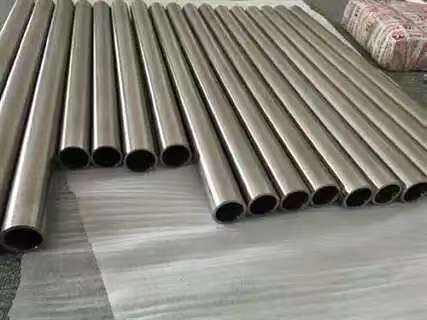
Applications in Modern Construction Projects
Structural Framework Systems
Square metal pipe serves as an essential component in various structural framework systems, including building frames, industrial structures, and infrastructure projects. The uniform geometry simplifies connection design and fabrication, reducing construction time and labor costs. Architects and engineers frequently specify square profiles for columns, beams, and bracing elements due to their predictable performance characteristics.
In multi-story construction, square metal pipe provides excellent column performance, effectively transferring loads from upper floors to the foundation system. The compact cross-section maximizes usable floor space while providing the necessary structural capacity to support building loads and resist lateral forces such as wind and seismic loads.
Architectural and Aesthetic Considerations
Beyond structural performance, square metal pipe offers architectural versatility that allows designers to create visually appealing structures. The clean lines and modern appearance of square profiles complement contemporary architectural styles, making them popular choices for exposed structural elements in commercial and institutional buildings.
The flat surfaces of square metal pipe also facilitate the attachment of architectural finishes, cladding systems, and building envelope components. This compatibility with various finishing materials enables architects to achieve desired aesthetic outcomes while maintaining structural integrity and performance requirements.
Installation and Connection Methods
Welding Techniques and Joint Design
Proper installation of square metal pipe requires specialized welding techniques that account for the unique characteristics of the square profile. The flat surfaces provide excellent access for welding operations, allowing for high-quality joints with full penetration welds when required. Fabricators can achieve superior joint strength through careful preparation and appropriate welding procedures.
Connection design for square metal pipe systems often incorporates standardized details that simplify fabrication and ensure consistent performance. These standardized approaches reduce the potential for errors during construction and provide predictable load transfer characteristics that engineers can rely upon in their structural calculations.
Mechanical Fastening Systems
Alternative connection methods include mechanical fastening systems that utilize bolts, screws, and specialized hardware designed for square metal pipe applications. These connections offer advantages in situations where welding is impractical or where future disassembly may be required for maintenance or modification purposes.
Mechanical connections also provide flexibility in field assembly operations, allowing contractors to make adjustments and corrections without the specialized equipment and skilled labor required for welding operations. This flexibility can result in significant cost savings and schedule improvements in certain project types.
Quality Control and Performance Standards
Testing and Inspection Protocols
Ensuring the structural integrity of square metal pipe installations requires comprehensive testing and inspection protocols throughout the construction process. These protocols include material testing to verify chemical composition and mechanical properties, dimensional inspection to confirm geometric accuracy, and non-destructive testing to identify potential defects or discontinuities.
Quality control measures also extend to the installation process, with regular inspections of connections, alignments, and overall assembly quality. These inspections help identify and correct issues before they can compromise the structural performance of the completed system.
Compliance with Building Codes
Modern building codes and standards provide specific requirements for the use of square metal pipe in structural applications. These requirements address factors such as design loads, connection details, fire resistance, and seismic performance. Compliance with these codes ensures that structures utilizing square metal pipe will perform safely under expected loading conditions.
Engineers must carefully consider code requirements during the design phase to ensure that square metal pipe specifications and details meet all applicable standards. This attention to code compliance helps protect public safety and provides legal protection for design professionals and building owners.
Economic Benefits and Cost Considerations
Material Efficiency and Waste Reduction
The use of square metal pipe in construction projects often results in material efficiency gains that translate to cost savings. The predictable geometry and standardized dimensions reduce cutting waste and allow for more accurate material estimates during the design and procurement phases. These efficiencies contribute to overall project cost control and improved profit margins for contractors.
Additionally, the structural efficiency of square metal pipe allows engineers to optimize designs with smaller member sizes while maintaining required load capacity. This optimization reduces material quantities and associated costs while potentially simplifying construction operations and reducing project schedules.
Long-term Maintenance and Durability
Square metal pipe installations typically require minimal maintenance when properly designed and constructed. The durable steel construction resists corrosion when appropriately protected, and the simple geometry facilitates inspection and maintenance operations when required. These characteristics contribute to reduced life-cycle costs over the service life of the structure.
The longevity of square metal pipe systems also provides economic benefits through extended service life and delayed replacement costs. Property owners can realize significant savings through reduced maintenance requirements and extended intervals between major renovations or replacements.
FAQ
What thickness options are available for square metal pipe in construction applications
Square metal pipe is available in a wide range of wall thicknesses, typically ranging from 1.5mm to 6mm for standard construction applications. The specific thickness selection depends on the structural requirements, load conditions, and span lengths involved in the particular application. Engineers calculate the required thickness based on design loads, safety factors, and applicable building codes to ensure adequate structural performance.
How does square metal pipe compare to I-beams for structural applications
Square metal pipe offers advantages in certain applications due to its closed cross-section, which provides torsional resistance and uniform properties in all directions. While I-beams may be more efficient for simple bending applications, square metal pipe excels in combined loading conditions and provides better performance in compression applications. The choice between these options depends on specific load conditions, span requirements, and architectural considerations.
What surface treatments are recommended for square metal pipe in outdoor applications
For outdoor applications, square metal pipe typically requires protective coatings to prevent corrosion and extend service life. Hot-dip galvanizing provides excellent long-term protection, while paint systems offer cost-effective protection with periodic maintenance requirements. The specific treatment selection depends on environmental conditions, expected service life, and maintenance budget considerations for the particular application.
Can square metal pipe be used in seismic zones for structural applications
Yes, square metal pipe can be effectively used in seismic zones when properly designed and detailed according to seismic design codes. The ductile properties of steel and the uniform cross-section of square metal pipe provide good energy dissipation characteristics under seismic loading. However, connection details and overall system design must comply with specific seismic design requirements to ensure adequate performance during earthquake events.
Table of Contents
- Fundamental Properties of Square Metal Pipe in Construction
- Load-Bearing Capacity and Stress Distribution
- Applications in Modern Construction Projects
- Installation and Connection Methods
- Quality Control and Performance Standards
- Economic Benefits and Cost Considerations
-
FAQ
- What thickness options are available for square metal pipe in construction applications
- How does square metal pipe compare to I-beams for structural applications
- What surface treatments are recommended for square metal pipe in outdoor applications
- Can square metal pipe be used in seismic zones for structural applications

