 EN
EN
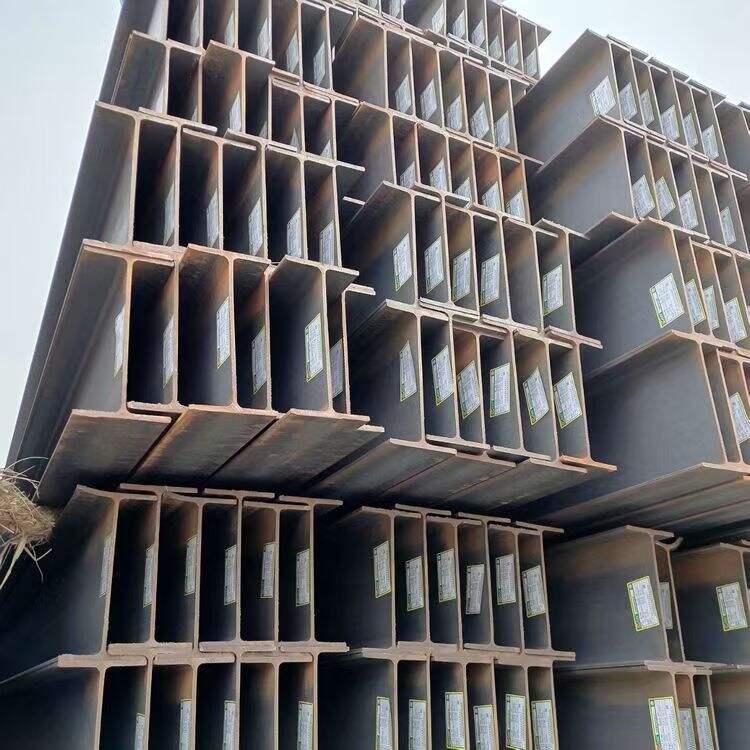
Steel building trusses form the structural backbone of countless industrial and commercial facilities worldwide, providing essential load-bearing capacity while maintaining cost-effectiveness and durability. The optimization of steel building trusses for maximum longevity requires careful consideration of material selection, design principles, environmental factors, and maintenance protocols. Understanding these critical elements enables engineers, contractors, and building owners to create structures that withstand decades of service while minimizing lifecycle costs and ensuring operational reliability.
Modern steel building trusses incorporate advanced engineering principles that balance structural integrity with economic efficiency. The geometric configuration of steel building trusses directly impacts their load distribution capabilities, with triangulated designs providing optimal strength-to-weight ratios. Professional fabricators utilize high-grade steel alloys and precision manufacturing techniques to ensure each truss component meets or exceeds industry standards for dimensional accuracy and material properties.
Fundamental Design Principles for Steel Building Trusses
Load Distribution and Structural Analysis
Effective steel building trusses require comprehensive structural analysis to determine optimal member sizing and configuration. Engineers must evaluate dead loads, live loads, wind forces, and seismic considerations to establish appropriate design parameters. The triangular geometry inherent in steel building trusses creates efficient load paths that transfer forces through compression and tension members, maximizing structural efficiency while minimizing material usage.
Advanced computational modeling enables precise calculation of stress distributions within steel building trusses under various loading scenarios. This analytical approach ensures that each structural member operates within safe stress limits while maintaining adequate safety factors. The integration of computer-aided design tools with structural analysis software streamlines the optimization process for complex steel building trusses configurations.
Material Selection and Grade Specifications
The longevity of steel building trusses depends heavily on appropriate material selection based on environmental conditions and performance requirements. High-strength steel grades such as ASTM A36, A572, and A992 provide excellent mechanical properties for structural applications. These materials offer superior yield strength, tensile capacity, and weldability characteristics essential for reliable steel building trusses construction.
Material traceability and certification ensure that steel building trusses components meet specified quality standards throughout the supply chain. Mill test certificates and material inspection protocols verify chemical composition, mechanical properties, and dimensional tolerances for all structural steel elements. This quality assurance process prevents substandard materials from compromising the long-term performance of steel building trusses installations.
Environmental Considerations and Protective Measures
Corrosion Prevention Strategies
Corrosion represents the primary threat to the longevity of steel building trusses in most service environments. Protective coating systems, including primers, intermediate coats, and topcoats, create effective barriers against moisture, oxygen, and corrosive agents. Hot-dip galvanizing provides exceptional corrosion resistance for steel building trusses exposed to harsh environmental conditions, forming a metallurgically bonded zinc layer that sacrificially protects the underlying steel substrate.
Environmental assessment guides the selection of appropriate corrosion protection systems for specific steel building trusses applications. Marine environments, industrial atmospheres, and agricultural facilities present unique challenges that require specialized protective measures. Regular inspection and maintenance of coating systems ensures continued protection and extends the service life of steel building trusses installations significantly.
Thermal Expansion Management
Temperature variations cause dimensional changes in steel building trusses that must be accommodated through proper design and connection details. Expansion joints, sliding connections, and flexible supports allow controlled movement while maintaining structural integrity. The coefficient of thermal expansion for steel requires careful consideration in long-span steel building trusses where temperature-induced stresses can become significant.
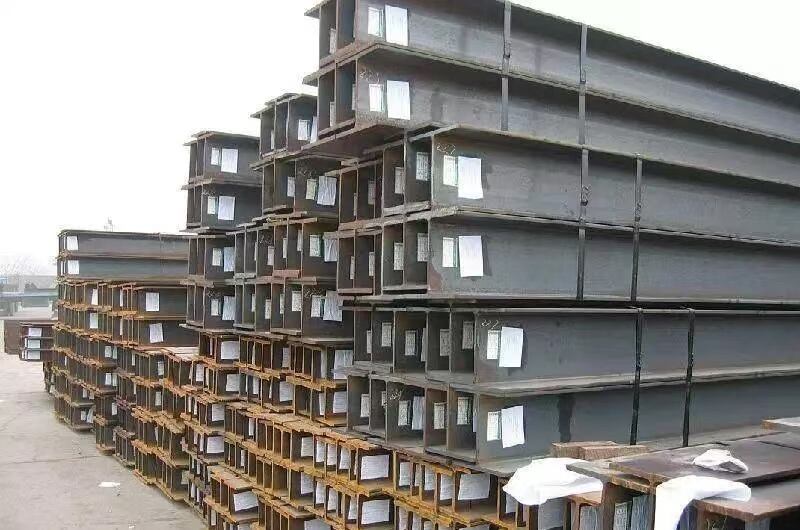
Connection design plays a crucial role in managing thermal effects within steel building trusses systems. Bolted connections with slotted holes provide controlled movement capability while maintaining load transfer capacity. Welded connections require stress relief procedures and proper joint design to prevent thermal stress concentrations that could lead to premature failure of steel building trusses components.
Manufacturing and Quality Control Processes
Precision Fabrication Techniques
Modern fabrication facilities employ computer-controlled cutting, drilling, and welding equipment to ensure dimensional accuracy and consistent quality in steel building trusses production. Automated processes minimize human error while maximizing productivity and repeatability. Quality control measures include dimensional inspection, weld testing, and surface preparation verification to ensure compliance with engineering specifications.
Welding procedures for steel building trusses require qualified operators and approved welding procedure specifications to ensure joint integrity. Non-destructive testing methods, including visual inspection, dye penetrant testing, and ultrasonic examination, verify weld quality and detect potential defects. These quality assurance measures prevent field failures and ensure the long-term reliability of steel building trusses installations.
Surface Preparation and Coating Application
Proper surface preparation forms the foundation for effective protective coating systems on steel building trusses. Abrasive blasting removes mill scale, rust, and contaminants to create the surface profile necessary for optimal coating adhesion. Controlled environmental conditions during coating application ensure proper film formation and curing characteristics essential for long-term protection of steel building trusses.
Quality control during coating application includes dry film thickness measurement, adhesion testing, and visual inspection to verify compliance with specification requirements. These measures ensure that steel building trusses receive uniform coverage and achieve specified performance characteristics. Documentation of coating application parameters provides traceability and supports warranty requirements for protective systems.
Installation and Erection Best Practices
Site Preparation and Foundation Requirements
Successful installation of steel building trusses begins with proper site preparation and foundation design. Level, stable surfaces with adequate bearing capacity ensure proper load transfer and prevent settlement-related stresses. Survey control points and dimensional verification confirm that foundations align with steel building trusses connection requirements before erection begins.
Temporary bracing systems provide lateral stability during steel building trusses erection and prevent buckling or overturning during construction. Professional erection crews follow established safety procedures and utilize appropriate lifting equipment to handle large truss assemblies safely. Sequence planning ensures that steel building trusses installation proceeds efficiently while maintaining worker safety and structural stability.
Connection Assembly and Torque Procedures
Proper connection assembly ensures load transfer capability and long-term performance of steel building trusses systems. Bolt tensioning procedures require calibrated equipment and qualified personnel to achieve specified preload values. Connection inspection verifies proper fit-up, bolt installation, and torque application according to engineering specifications and industry standards.
Field welding of steel building trusses connections requires adherence to qualified welding procedures and environmental protection measures. Wind screens, preheating equipment, and proper consumable storage ensure optimal welding conditions. Post-weld inspection and stress relief procedures, when required, prevent residual stress accumulation that could compromise the long-term performance of steel building trusses installations.
Maintenance and Inspection Protocols
Scheduled Inspection Programs
Regular inspection programs identify potential issues before they compromise the structural integrity of steel building trusses. Visual inspections assess coating condition, connection tightness, and signs of distress or damage. Detailed inspections utilizing access equipment allow close examination of critical areas including welded joints, bolted connections, and bearing surfaces of steel building trusses components.
Documentation systems track inspection findings, maintenance actions, and performance trends over time. This historical data supports predictive maintenance strategies and helps optimize inspection intervals for steel building trusses installations. Digital inspection platforms streamline data collection and analysis while improving the accuracy and consistency of maintenance records.
Preventive Maintenance Strategies
Preventive maintenance programs extend the service life of steel building trusses through proactive interventions before problems develop. Coating touch-up, connection retightening, and drainage system maintenance prevent deterioration and ensure continued protection. Scheduled maintenance activities coordinate with facility operations to minimize disruption while maintaining the integrity of steel building trusses systems.
Replacement of wear components, lubrication of moving parts, and adjustment of expansion joints maintain optimal performance characteristics. Training programs ensure maintenance personnel understand proper procedures and safety requirements for working with steel building trusses installations. Inventory management of spare parts and maintenance supplies supports efficient maintenance operations and reduces downtime.
Economic Optimization and Lifecycle Considerations
Cost-Benefit Analysis and Value Engineering
Comprehensive cost-benefit analysis evaluates the total lifecycle costs of steel building trusses including initial construction, maintenance, and end-of-life considerations. Value engineering processes identify opportunities to optimize performance while controlling costs through material selection, design refinement, and construction method improvements. These analyses support informed decision-making for steel building trusses projects with long service life requirements.
Return on investment calculations consider the operational benefits of high-performance steel building trusses including reduced maintenance costs, extended service life, and improved reliability. Energy efficiency improvements and operational flexibility benefits justify premium materials and construction methods for critical applications. Life cycle assessment methodologies provide frameworks for evaluating the environmental and economic impacts of steel building trusses design alternatives.
Sustainability and Recyclability Factors
Steel building trusses offer exceptional sustainability advantages through material recyclability and reuse potential. High recycled content in structural steel production reduces environmental impact while maintaining performance characteristics. End-of-life recovery of steel building trusses materials supports circular economy principles and provides economic value through scrap metal markets.
Sustainable design practices for steel building trusses include material optimization, energy-efficient manufacturing processes, and transportation efficiency considerations. Local sourcing of materials and fabrication services reduces carbon footprint while supporting regional economic development. These sustainability factors increasingly influence project selection criteria and regulatory compliance requirements for modern steel building trusses installations.
FAQ
What factors most significantly impact the longevity of steel building trusses?
The longevity of steel building trusses depends primarily on material quality, corrosion protection, design adequacy, and maintenance practices. High-grade structural steel with appropriate protective coatings, proper design for expected loads and environmental conditions, and regular inspection and maintenance programs ensure maximum service life. Environmental factors such as humidity, chemical exposure, and temperature variations also significantly influence truss durability.
How often should steel building trusses be inspected for optimal performance?
Steel building trusses should undergo visual inspections annually, with more detailed inspections every three to five years depending on environmental conditions and service requirements. Critical applications or harsh environments may require more frequent inspection intervals. Professional structural inspections should be conducted immediately after extreme weather events or if any signs of distress or damage are observed during routine inspections.
What are the most effective corrosion protection methods for steel building trusses?
Hot-dip galvanizing provides the most durable corrosion protection for steel building trusses, offering 25-50 years of maintenance-free protection in most environments. Multi-coat paint systems with zinc-rich primers also provide excellent protection when properly applied and maintained. The selection of protection methods depends on environmental conditions, aesthetic requirements, and maintenance capabilities of the facility.
Can existing steel building trusses be modified or upgraded to extend their service life?
Existing steel building trusses can often be modified or upgraded through reinforcement, connection improvements, and enhanced corrosion protection systems. Professional structural evaluation determines the feasibility and methods for upgrades based on current condition and performance requirements. Common upgrade strategies include adding supplemental members, improving connections, and applying new protective coating systems to extend service life and improve performance characteristics.
Table of Contents
- Fundamental Design Principles for Steel Building Trusses
- Environmental Considerations and Protective Measures
- Manufacturing and Quality Control Processes
- Installation and Erection Best Practices
- Maintenance and Inspection Protocols
- Economic Optimization and Lifecycle Considerations
-
FAQ
- What factors most significantly impact the longevity of steel building trusses?
- How often should steel building trusses be inspected for optimal performance?
- What are the most effective corrosion protection methods for steel building trusses?
- Can existing steel building trusses be modified or upgraded to extend their service life?

