
 EN
EN
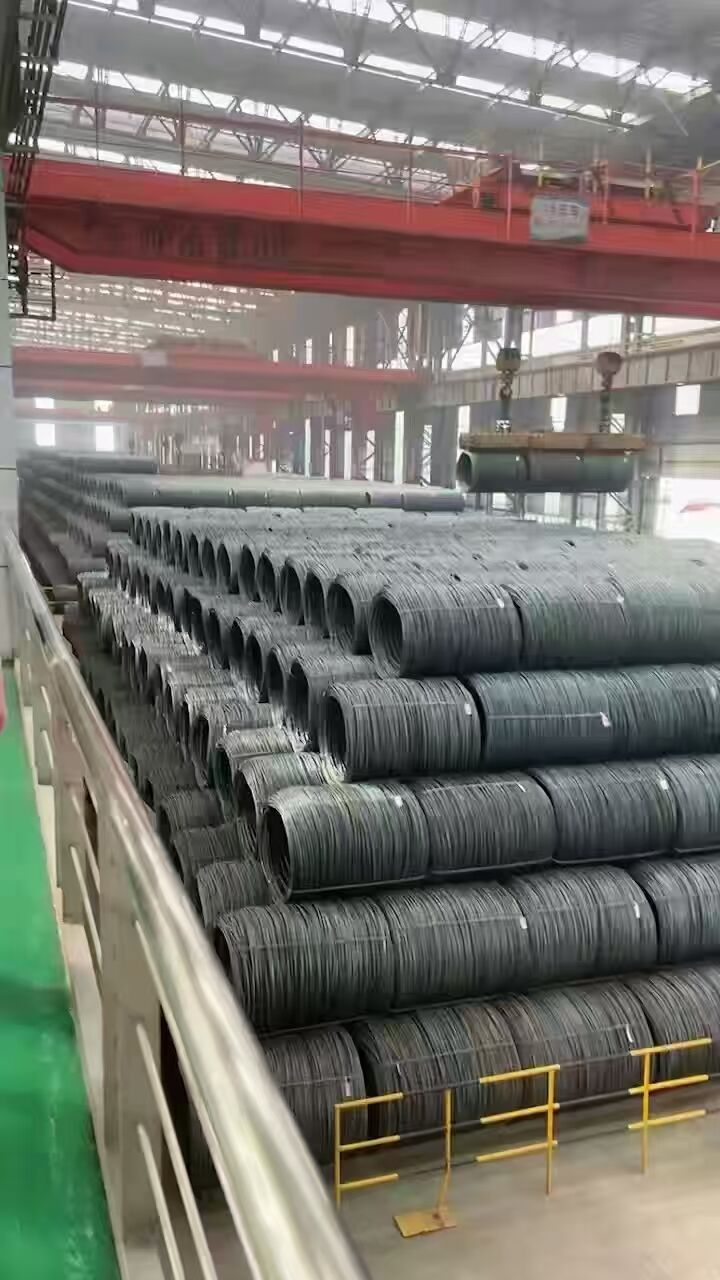
Selecting the appropriate grade of steel rebar is a critical decision that directly impacts the structural integrity, longevity, and cost-effectiveness of construction projects. Steel rebar serves as the backbone of reinforced concrete structures, providing tensile strength that concrete alone cannot deliver. The process of choosing the right grade involves understanding various technical specifications, project requirements, environmental factors, and performance characteristics that determine which type of steel rebar will best serve your construction needs.
The construction industry relies heavily on standardized grading systems to ensure consistent quality and performance across different suppliers and projects. Understanding these classification systems enables engineers, contractors, and project managers to make informed decisions when specifying steel rebar for their applications. Different grades offer varying levels of strength, ductility, weldability, and corrosion resistance, making it essential to match the material properties with the specific demands of each construction project.
Understanding Steel Rebar Grade Classifications
International Grading Standards
Steel rebar grades are classified according to various international standards, with each system providing specific designations that indicate yield strength, tensile strength, and other mechanical properties. The most commonly used standards include ASTM (American Society for Testing and Materials), BS (British Standards), and various national standards that govern steel rebar production and quality control. These standards ensure that steel rebar meets minimum performance requirements for different construction applications.
The ASTM A615 standard covers carbon steel bars for concrete reinforcement, while ASTM A706 addresses low-alloy steel deformed and plain bars specifically designed for welding applications. European standards such as EN 10080 provide similar specifications but with different nomenclature and testing requirements. Understanding these various standards helps professionals navigate the global steel rebar market and ensure compatibility with local building codes and regulations.
Common Grade Designations
Grade 40 and Grade 60 represent the most frequently specified steel rebar types in North American construction, with the numbers indicating minimum yield strength in thousands of pounds per square inch (ksi). Grade 40 steel rebar provides a minimum yield strength of 40,000 psi, while Grade 60 offers 60,000 psi, making it suitable for more demanding structural applications that require higher load-bearing capacity.
Higher grades such as Grade 75 and Grade 80 are available for specialized applications requiring exceptional strength characteristics. These premium grades command higher prices but offer superior performance in high-stress environments such as seismic zones, high-rise construction, and infrastructure projects with extended service life requirements. The selection between different grades must balance performance requirements with project budget constraints and availability considerations.
Mechanical Properties and Performance Characteristics
Yield Strength and Tensile Properties
Yield strength represents the most critical mechanical property when selecting steel rebar grades, as it determines the maximum stress the material can withstand before permanent deformation occurs. Higher yield strength allows for more efficient structural designs with reduced steel rebar quantities, potentially offsetting the higher material cost through reduced installation labor and concrete volumes. The relationship between yield strength and ultimate tensile strength also influences the ductility characteristics of the reinforced concrete system.
Tensile strength indicates the maximum stress that steel rebar can sustain before failure, typically ranging from 1.25 to 1.5 times the yield strength depending on the specific grade and manufacturing process. This property becomes particularly important in dynamic loading conditions such as seismic events, where the steel rebar must maintain structural integrity under cyclic loading beyond the yield point. Understanding these mechanical properties enables engineers to optimize reinforcement designs for specific load conditions and safety factors.
Ductility and Elongation Requirements
Ductility measures the ability of steel rebar to deform plastically before fracture, expressed as percentage elongation over a specified gauge length. This property is crucial for earthquake-resistant design, where structures must dissipate energy through controlled plastic deformation rather than sudden brittle failure. Different grades of steel rebar exhibit varying ductility characteristics, with some high-strength grades requiring special attention to maintain adequate elongation properties.
The balance between strength and ductility represents a fundamental engineering trade-off when selecting steel rebar grades. While higher strength grades offer improved load-carrying capacity, they may exhibit reduced ductility that could compromise performance under extreme loading conditions. Modern steel rebar manufacturing techniques have largely addressed this concern, but careful specification remains important for critical structural applications requiring both high strength and superior ductility.
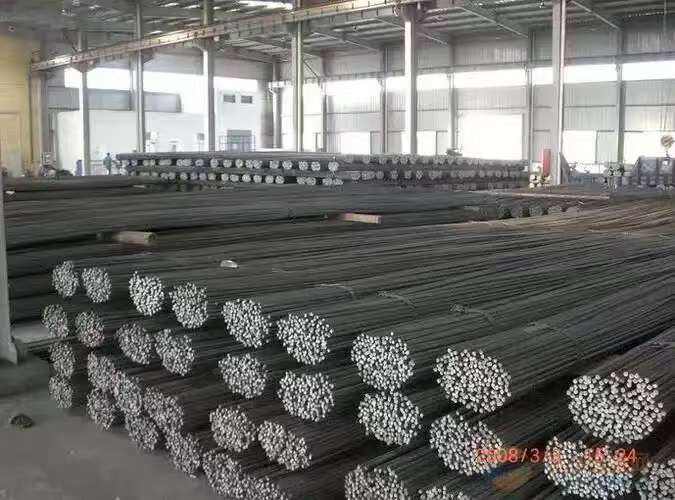
Environmental Considerations and Corrosion Resistance
Exposure Conditions and Material Selection
Environmental exposure conditions significantly influence the appropriate selection of steel rebar grades, particularly in aggressive environments such as marine structures, chemical processing facilities, and regions with high chloride exposure. Standard carbon steel rebar may require additional protective measures or upgraded material specifications to ensure adequate service life under these challenging conditions. Epoxy-coated, galvanized, or stainless steel alternatives may be necessary for severe exposure applications.
Temperature extremes, both hot and cold, can affect the performance characteristics of different steel rebar grades, particularly their impact resistance and ductility properties. Cold weather applications may require grades with superior low-temperature toughness, while high-temperature exposure might necessitate special alloy compositions or heat treatment processes. These environmental factors must be carefully evaluated during the material selection process to ensure long-term structural performance.
Protective Coatings and Specialized Grades
Epoxy-coated steel rebar provides enhanced corrosion protection through a barrier coating that isolates the steel from the surrounding concrete environment. This coating system requires careful handling and installation procedures to maintain coating integrity, but offers significant improvement in corrosion resistance compared to uncoated steel rebar. The selection of epoxy-coated grades typically adds 20-30% to material costs but can extend service life substantially in corrosive environments.
Stainless steel rebar represents the premium option for maximum corrosion resistance, offering exceptional performance in the most aggressive exposure conditions. While significantly more expensive than carbon steel alternatives, stainless steel rebar may provide lifecycle cost advantages in critical applications where replacement or major repairs would be extremely costly or disruptive. The selection of stainless steel grades requires careful consideration of specific alloy compositions optimized for concrete reinforcement applications.
Construction Application Guidelines
Structural Design Requirements
The selection of steel rebar grades must align with structural design requirements established by qualified engineers based on load calculations, building codes, and performance criteria specific to each project. Different structural elements such as beams, columns, slabs, and foundations may require different grades of steel rebar based on their respective load-bearing responsibilities and stress distributions within the overall structural system.
High-rise construction typically demands higher grade steel rebar in critical load-bearing elements to accommodate increased loads and reduce member sizes, while residential construction may utilize lower grades that provide adequate performance at reduced cost. The optimization of steel rebar grades throughout a structure requires careful coordination between structural designers and construction professionals to ensure both performance and economic efficiency.
Installation and Construction Considerations
Different grades of steel rebar exhibit varying characteristics during handling, cutting, bending, and installation operations that can influence construction productivity and quality. Higher strength grades may require specialized equipment for cutting and bending operations, while some grades offer improved weldability characteristics that facilitate field connections and modifications during construction.
The availability of specific steel rebar grades in required sizes and lengths can significantly impact project scheduling and logistics, making early specification and procurement planning essential for maintaining construction schedules. Regional availability varies considerably, with some specialized grades requiring extended lead times or premium pricing for non-standard sizes and lengths.
Economic Analysis and Cost Optimization
Material Cost Considerations
The cost differential between different grades of steel rebar can be substantial, with higher grades typically commanding significant premiums over standard grades. However, the total project cost analysis must consider potential savings in steel quantities, concrete volumes, and construction labor when higher strength grades enable more efficient structural designs. This optimization requires close collaboration between designers and estimators to evaluate the true economic impact of different material selections.
Market conditions, availability, and regional pricing variations can significantly influence the economic attractiveness of different steel rebar grades at the time of procurement. Long-term contracts and strategic sourcing arrangements may provide cost stability and preferred pricing for consistent volume requirements, while spot market purchases may offer opportunities for cost savings when market conditions are favorable.
Lifecycle Cost Analysis
Comprehensive lifecycle cost analysis considers not only initial material costs but also long-term maintenance, repair, and replacement expenses over the design life of the structure. Higher grade steel rebar with superior corrosion resistance or mechanical properties may justify premium initial costs through reduced maintenance requirements and extended service life, particularly for critical infrastructure applications.
The economic analysis must also consider potential consequences of material failure or premature deterioration, including repair costs, business interruption, safety risks, and liability exposure. These factors often justify the selection of higher performance steel rebar grades for applications where failure would result in significant economic or safety consequences.
Quality Control and Testing Requirements
Manufacturing Standards and Certification
Quality control requirements for different grades of steel rebar vary significantly, with higher grades typically requiring more stringent manufacturing controls, testing procedures, and certification documentation. Mill test certificates provide essential information about chemical composition, mechanical properties, and manufacturing processes that must be verified against project specifications and applicable standards.
Third-party testing and inspection services play crucial roles in verifying steel rebar quality and compliance with specified grades, particularly for critical structural applications or projects with strict quality requirements. These services may include chemical analysis, tensile testing, bend testing, and dimensional verification to ensure conformance with applicable standards and specifications.
Field Testing and Verification Procedures
Field testing procedures enable verification of steel rebar properties and grades during construction, providing additional quality assurance beyond mill certifications. Random sampling and testing protocols should be established based on project requirements, applicable standards, and risk assessment considerations to ensure adequate coverage without excessive testing costs.
Visual inspection procedures can identify potential issues with steel rebar condition, marking, and handling that might compromise performance or indicate problems with material quality. Proper documentation and record-keeping systems ensure traceability and accountability throughout the construction process, facilitating resolution of any quality issues that may arise during or after construction.
Future Trends and Innovations
Advanced Steel Technologies
Emerging technologies in steel production and treatment are creating new possibilities for enhanced steel rebar performance characteristics, including improved strength-to-weight ratios, enhanced corrosion resistance, and superior ductility properties. These innovations may influence future grading systems and selection criteria as the industry continues to evolve toward higher performance and more sustainable construction materials.
Micro-alloying techniques and advanced heat treatment processes are enabling the development of steel rebar grades that combine high strength with excellent ductility and weldability characteristics. These technological advances may reduce the traditional trade-offs between different performance characteristics, offering improved optimization opportunities for structural designers and construction professionals.
Sustainability and Environmental Impact
Environmental considerations are increasingly influencing steel rebar selection criteria, with emphasis on recycled content, carbon footprint, and end-of-life recyclability becoming important factors in material specification decisions. Different grades of steel rebar may have varying environmental impacts based on their production processes, alloy requirements, and lifecycle performance characteristics.
Sustainable construction practices are driving demand for steel rebar grades that offer extended service life and reduced maintenance requirements, supporting the development of high-performance materials that justify their environmental impact through superior long-term performance. These trends are likely to influence future standards development and market preferences for steel rebar products.
FAQ
What is the difference between Grade 40 and Grade 60 steel rebar?
Grade 40 steel rebar has a minimum yield strength of 40,000 psi, while Grade 60 provides 60,000 psi yield strength. Grade 60 offers 50% higher strength, allowing for more efficient structural designs with reduced steel quantities, but typically costs 10-15% more than Grade 40. The choice depends on structural requirements, with Grade 60 commonly used for more demanding applications such as high-rise construction and heavy infrastructure projects.
How do environmental conditions affect steel rebar grade selection?
Environmental exposure significantly influences steel rebar grade selection, particularly in marine environments, chemical facilities, or areas with high chloride exposure. Standard carbon steel grades may require protective coatings or upgrades to stainless steel grades for severe exposure conditions. Temperature extremes also affect performance, with cold climates requiring grades with superior low-temperature toughness and hot environments potentially needing special alloy compositions.
Can different grades of steel rebar be used within the same structure?
Yes, different grades of steel rebar can be used within the same structure when properly designed and specified by qualified engineers. Higher grades are often used in critical load-bearing elements like columns and main beams, while lower grades may be suitable for slabs and secondary elements. However, proper identification, segregation during storage, and careful installation procedures are essential to prevent mixing different grades in locations where they are not intended.
What factors should be considered when evaluating the cost-effectiveness of higher grade steel rebar?
Cost-effectiveness evaluation should include initial material costs, potential steel quantity reductions, labor savings from easier handling of smaller sections, reduced concrete volumes, and long-term lifecycle costs including maintenance and repairs. Higher grade steel rebar may justify premium costs through improved structural efficiency, extended service life, and reduced risk of premature failure, particularly for critical infrastructure applications where replacement costs would be substantial.
Table of Contents
- Understanding Steel Rebar Grade Classifications
- Mechanical Properties and Performance Characteristics
- Environmental Considerations and Corrosion Resistance
- Construction Application Guidelines
- Economic Analysis and Cost Optimization
- Quality Control and Testing Requirements
- Future Trends and Innovations
-
FAQ
- What is the difference between Grade 40 and Grade 60 steel rebar?
- How do environmental conditions affect steel rebar grade selection?
- Can different grades of steel rebar be used within the same structure?
- What factors should be considered when evaluating the cost-effectiveness of higher grade steel rebar?

