
 EN
EN
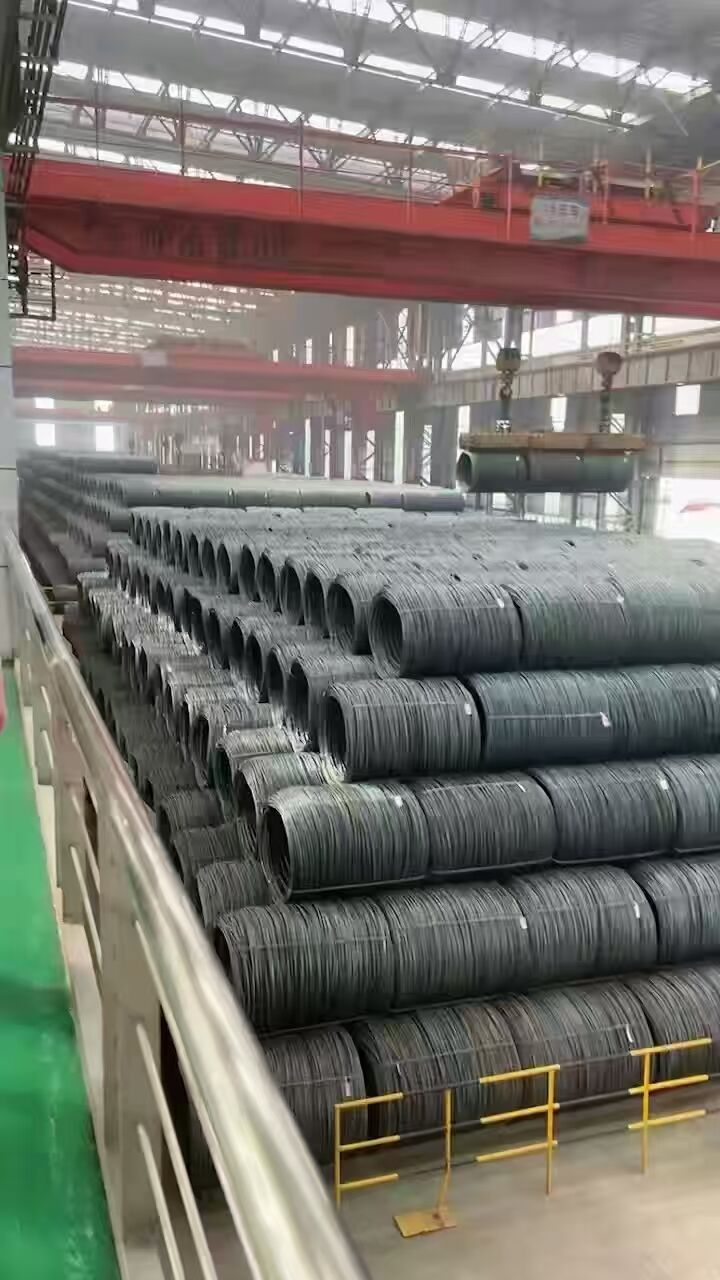
Earthquake-resistant construction demands exceptional structural integrity and material performance to withstand seismic forces that can devastate buildings and infrastructure. Steel rebar serves as the backbone of reinforced concrete structures, providing the tensile strength necessary to create resilient buildings capable of surviving major earthquakes. Modern seismic engineering relies heavily on properly designed and installed steel rebar systems to ensure that concrete structures can flex, absorb energy, and maintain structural integrity during ground motion events.
The critical role of reinforcing steel in earthquake resistance stems from concrete's inherent weakness in tension. While concrete excels in compression, it fails rapidly under tensile forces that earthquakes generate through lateral movement and structural flexing. Steel rebar compensates for this limitation by providing the tensile capacity needed to prevent catastrophic failure during seismic events. Engineers strategically place steel rebar throughout concrete elements to create a composite material that combines concrete's compressive strength with steel's tensile properties.
Understanding how earthquakes affect structures helps explain why steel rebar placement and design are so crucial. Seismic waves create complex loading patterns that subject buildings to simultaneous vertical and horizontal forces, often changing direction rapidly. These dynamic loads create stress concentrations at beam-column joints, foundation connections, and other critical structural elements where proper steel rebar detailing becomes essential for maintaining structural continuity and preventing progressive collapse.
Seismic Design Principles for Steel Rebar
Ductility and Energy Dissipation
Ductility represents the most important characteristic of earthquake-resistant steel rebar systems, allowing structures to deform without sudden failure. High-quality steel rebar exhibits excellent ductile properties, enabling it to stretch and bend under extreme loads while maintaining its load-carrying capacity. This ductile behavior allows buildings to sway during earthquakes rather than snap, dissipating seismic energy through controlled plastic deformation in designated areas called plastic hinges.
Energy dissipation occurs when steel rebar reaches its yield point and begins to deform plastically, absorbing earthquake energy that would otherwise damage the structure. Engineers design steel rebar layouts to concentrate this energy dissipation in specific locations, typically at beam ends and column bases, where reinforcement detailing can accommodate the expected deformation. Proper steel rebar grade selection ensures adequate yield strength while maintaining sufficient ductility for energy absorption.
The spacing and arrangement of steel rebar significantly influence a structure's ability to dissipate energy during seismic events. Closely spaced transverse reinforcement, including ties and stirrups, confines the concrete core and prevents buckling of longitudinal steel rebar under cyclic loading. This confinement effect enhances both strength and ductility, allowing the steel rebar to maintain its load-carrying capacity even after significant deformation.
Confinement and Lateral Support
Confinement reinforcement using steel rebar plays a vital role in preventing brittle failure modes that can lead to catastrophic collapse during earthquakes. Transverse steel rebar, including hoops, spirals, and crossties, provides lateral support to longitudinal reinforcing bars and confines the concrete core under high compressive stresses. This confinement prevents the concrete from spalling and maintains the structural integrity of compression members during seismic loading.
Properly detailed confinement reinforcement using steel rebar ensures that columns and other vertical elements can sustain large deformations without losing their axial load-carrying capacity. The spacing of transverse reinforcement becomes increasingly important in potential plastic hinge regions where maximum curvature demands occur during earthquakes. Close spacing of steel rebar ties and hoops in these critical regions prevents buckling of longitudinal bars and maintains ductile behavior.
Special attention to steel rebar anchorage and development length ensures that confinement reinforcement can effectively transfer loads and provide the intended lateral support. Inadequate anchorage of transverse steel rebar can lead to premature failure and loss of confinement, resulting in brittle collapse mechanisms that seismic design seeks to avoid through proper reinforcement detailing.
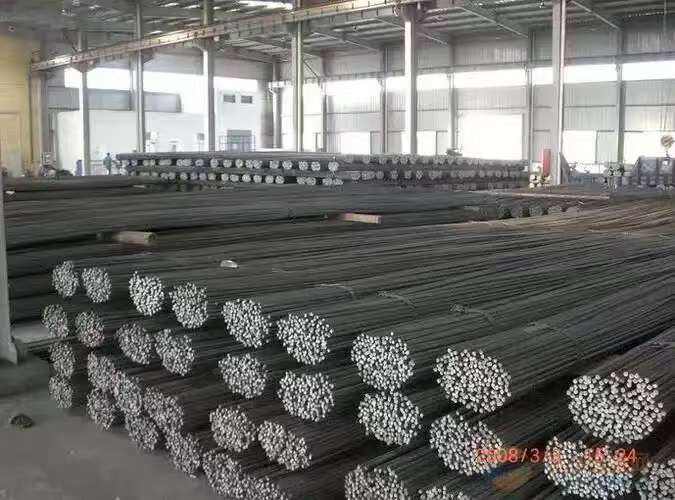
Critical Steel Rebar Applications in Seismic Zones
Beam-Column Connections
Beam-column joints represent the most critical locations in earthquake-resistant concrete structures, where proper steel rebar detailing determines overall structural performance during seismic events. These connections must transfer large forces between structural elements while accommodating significant rotation demands that occur during earthquake shaking. Steel rebar continuity through joints ensures load path integrity and prevents premature connection failure that could trigger progressive collapse.
Joint reinforcement using steel rebar must account for the complex stress states that develop when beams and columns frame into connections under seismic loading. Horizontal and vertical steel rebar within joints work together to resist shear forces and maintain concrete integrity as the joint undergoes cyclic deformation. Proper steel rebar placement prevents diagonal cracking and ensures that joints can maintain their load-carrying capacity throughout multiple earthquake cycles.
The development and splicing of steel rebar within beam-column joints requires careful attention to ensure adequate load transfer without creating weak points in the structural system. Special provisions for steel rebar development in confined regions help maintain joint strength and stiffness, preventing soft-story mechanisms that concentrate damage in specific building levels during earthquakes.
Foundation Systems
Foundation elements require extensive steel rebar reinforcement to transfer seismic forces from the superstructure to the ground and resist uplift forces that can occur during major earthquakes. Foundation steel rebar must accommodate the large overturning moments that seismic loading generates, particularly in tall buildings where earthquake forces create significant base moments. Proper foundation reinforcement prevents sliding, overturning, and soil bearing failures that could compromise overall structural stability.
Pile foundations and deep foundation systems rely on steel rebar to resist the lateral loads and moments that earthquakes impose on below-grade structural elements. The steel rebar in foundation piles must extend sufficient lengths to develop full capacity and provide adequate connection to pile caps and grade beams. This reinforcement continuity ensures that foundation elements can transfer seismic loads to competent soil or rock layers capable of resisting earthquake forces.
Mat foundations and basement walls require carefully detailed steel rebar layouts to resist soil pressures and accommodate differential ground movement during seismic events. The steel rebar reinforcement in these elements must account for both static earth pressures and dynamic forces that earthquakes impose on below-grade structures, ensuring that foundation systems maintain their integrity and continue supporting the superstructure throughout the earthquake event.
Steel Rebar Specifications for Earthquake Resistance
Material Properties and Grade Selection
Seismic applications demand steel rebar with specific mechanical properties that ensure adequate performance under earthquake loading conditions. High-strength steel rebar grades provide increased load capacity while maintaining the ductility necessary for energy dissipation during seismic events. The yield strength, ultimate strength, and elongation characteristics of steel rebar must meet stringent requirements that account for the cyclic nature of earthquake loading and the need for stable hysteretic behavior.
Chemical composition and manufacturing processes significantly influence the seismic performance characteristics of steel rebar, affecting properties such as weldability, bendability, and fatigue resistance. Modern steel rebar production methods ensure consistent material properties and eliminate defects that could compromise performance under repeated loading cycles typical of earthquake ground motion. Quality control measures during steel rebar manufacturing verify that material properties meet the demanding requirements of seismic design codes.
Low-cycle fatigue resistance becomes particularly important for steel rebar in seismic applications, where repeated inelastic deformation can lead to fracture if the material lacks adequate toughness. Premium grade steel rebar designed for earthquake-resistant construction incorporates alloying elements and processing techniques that enhance resistance to crack initiation and propagation under cyclic loading conditions.
Size and Spacing Requirements
Steel rebar sizing for earthquake-resistant construction follows specific criteria that ensure adequate strength and ductility while preventing construction difficulties that could compromise installation quality. Minimum steel rebar diameters in seismic zones often exceed those required for gravity loading alone, providing the cross-sectional area necessary to resist earthquake-induced forces. Maximum steel rebar sizes may be limited to ensure adequate concrete consolidation around reinforcement and prevent bond deterioration during seismic loading.
Spacing limitations for steel rebar in earthquake-resistant construction address both strength requirements and practical construction considerations that affect concrete placement quality. Minimum spacing requirements ensure adequate concrete flow around steel rebar during placement, preventing voids that could compromise structural integrity. Maximum spacing limitations prevent crack widths from becoming excessive during seismic loading and maintain distributed reinforcement that provides uniform structural response.
Special spacing requirements apply to steel rebar in plastic hinge regions and other critical areas where earthquake damage is expected to concentrate. These enhanced requirements ensure that steel rebar can accommodate large inelastic deformations without losing load-carrying capacity or experiencing premature failure due to buckling or fracture under reversed cyclic loading conditions.
Installation and Quality Control
Placement Accuracy and Tolerances
Precise steel rebar placement becomes critical in earthquake-resistant construction where small deviations from design locations can significantly affect structural performance during seismic events. Installation tolerances for steel rebar in seismic applications are typically more stringent than those for conventional construction, reflecting the importance of maintaining design assumptions about reinforcement location and effectiveness. Quality control procedures must verify that steel rebar positions meet specification requirements before concrete placement begins.
Cover requirements for steel rebar in seismic zones balance corrosion protection with structural performance, ensuring adequate concrete thickness while maintaining efficient structural depth. Insufficient cover can lead to premature corrosion and bond deterioration, while excessive cover may reduce structural efficiency and complicate steel rebar placement in congested areas. Maintaining specified cover dimensions ensures that steel rebar can develop its full capacity and provides the intended durability performance.
Support systems and formwork must accommodate the increased steel rebar congestion typical of earthquake-resistant construction while maintaining dimensional stability during concrete placement. Proper support spacing prevents steel rebar displacement during construction activities and ensures that reinforcement maintains its design position throughout the concrete curing process.
Splicing and Connection Details
Steel rebar splicing in earthquake-resistant construction requires special attention to ensure adequate load transfer between reinforcing bars under seismic loading conditions. Lap splice lengths in seismic applications often exceed those required for static loading, accounting for the reduced bond strength that can occur during cyclic loading and ensuring reliable force transfer throughout earthquake events. Mechanical splice systems may be preferred in high-stress locations where lap splices cannot provide adequate capacity or where space limitations prevent adequate splice development.
Splice locations must be carefully coordinated to avoid creating weak sections or areas of reinforcement congestion that could compromise structural performance. Staggering steel rebar splices prevents the concentration of potential failure points and maintains distributed reinforcement capacity throughout structural elements. Special provisions may apply to splice locations in plastic hinge regions where earthquake damage is expected to concentrate.
Welding of steel rebar in seismic applications requires special procedures and qualified personnel to ensure that weld quality meets the demanding requirements of earthquake loading. Heat-affected zones created by welding can alter steel rebar properties and must be controlled through proper welding procedures and post-weld treatments when necessary to maintain seismic performance characteristics.
Performance Verification and Testing
Laboratory Testing Requirements
Comprehensive testing programs verify that steel rebar meets the performance requirements for earthquake-resistant construction, including tensile tests, bend tests, and specialized seismic performance evaluations. Cyclic loading tests simulate earthquake conditions and verify that steel rebar can maintain its capacity under repeated inelastic deformation typical of seismic events. These tests help validate design assumptions and ensure that material properties support the intended structural behavior during earthquakes.
Bond testing between steel rebar and concrete becomes particularly important for seismic applications where interface integrity affects load transfer and overall structural performance. Pull-out tests and beam tests evaluate bond strength under various loading conditions, including the cyclic loading patterns that characterize earthquake ground motion. Test results help establish development length requirements and anchorage details that ensure reliable steel rebar performance in seismic zones.
Fatigue testing evaluates steel rebar performance under repeated loading cycles that simulate the long-term effects of multiple earthquake events over a structure's service life. Low-cycle fatigue tests focus on the high-amplitude deformation cycles typical of major earthquakes, while high-cycle fatigue tests address the cumulative effects of smaller seismic events and other dynamic loading conditions.
Field Inspection and Monitoring
Field inspection programs for steel rebar in earthquake-resistant construction emphasize verification of critical details that affect seismic performance, including reinforcement placement, splice locations, and connection details. Inspection procedures must address the increased complexity of seismic reinforcement layouts and ensure that special requirements for ductile detailing are properly implemented. Documentation of steel rebar installation provides an important record for future maintenance and assessment activities.
Non-destructive testing methods help verify steel rebar placement and integrity without compromising structural elements, particularly important for completed construction where access to reinforcement is limited. Ground-penetrating radar, magnetic methods, and other techniques can locate steel rebar and assess placement accuracy, providing valuable information for structural evaluation and retrofit planning activities.
Post-earthquake inspection procedures focus on identifying steel rebar damage that may not be visible from surface examination, including fractures, bond deterioration, and buckling that can compromise future seismic performance. These inspections help determine whether structures can continue safe occupancy and identify repair needs that restore earthquake resistance to design levels.
FAQ
What makes steel rebar essential for earthquake-resistant building design
Steel rebar provides the tensile strength that concrete lacks, enabling reinforced concrete structures to flex and absorb seismic energy without catastrophic failure. During earthquakes, buildings experience complex lateral and vertical forces that create tensile stresses in concrete elements. Steel rebar carries these tensile forces and provides the ductility necessary for structures to deform without collapse, making it indispensable for earthquake-resistant construction in seismic zones.
How does steel rebar placement affect seismic performance
Strategic steel rebar placement concentrates ductile behavior in designated plastic hinge regions while providing adequate strength throughout the structure. Proper reinforcement layout ensures that earthquake energy dissipation occurs in controlled locations through steel yielding rather than brittle concrete failure. The spacing, size, and arrangement of steel rebar directly influence a structure's ability to maintain integrity during seismic events and prevent progressive collapse mechanisms.
What steel rebar grades are recommended for seismic applications
High-strength steel rebar grades such as Grade 60 (420 MPa) and Grade 75 (520 MPa) are commonly used in seismic applications, providing increased load capacity while maintaining adequate ductility for energy dissipation. The selection depends on specific design requirements, but seismic applications prioritize steel rebar with excellent ductility, low-cycle fatigue resistance, and consistent mechanical properties that ensure reliable performance under earthquake loading conditions.
How do building codes regulate steel rebar use in earthquake zones
Seismic building codes establish stringent requirements for steel rebar detailing, including minimum reinforcement ratios, maximum spacing limitations, special splice requirements, and enhanced confinement provisions in critical regions. These codes mandate specific steel rebar layouts for plastic hinge zones, beam-column joints, and foundation connections where earthquake forces concentrate. Compliance with these requirements ensures that steel rebar systems can provide the strength, ductility, and energy dissipation capacity necessary for earthquake-resistant structural performance.

