 EN
EN
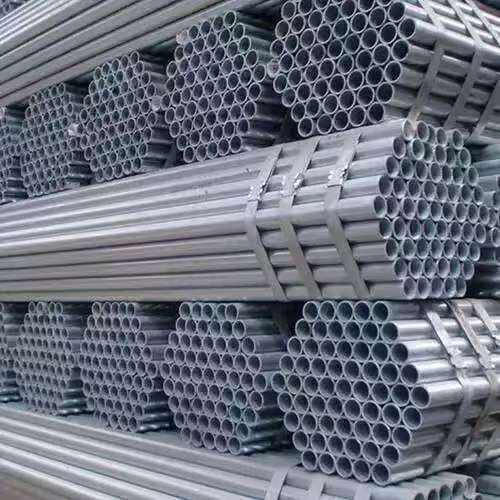
When selecting materials for construction and industrial projects, choosing the right galvanized pipe can make a significant difference in project longevity, cost-effectiveness, and overall success. Understanding the key characteristics that define high-quality galvanized pipe enables professionals to make informed decisions that protect their investments and ensure optimal performance. This comprehensive guide explores the essential factors that distinguish superior galvanized pipe from substandard alternatives in today's competitive marketplace.
Understanding Galvanized Pipe Manufacturing Standards
Material Composition and Grade Requirements
High-quality galvanized pipe begins with superior base materials that meet specific industry standards. The steel used in manufacturing should comply with recognized specifications such as ASTM A53, ASTM A500, or equivalent international standards. These specifications define the chemical composition, mechanical properties, and manufacturing processes required for optimal performance. Premium galvanized pipe typically utilizes low-carbon steel with controlled levels of sulfur and phosphorus to ensure proper zinc coating adhesion and structural integrity.
The grade of steel significantly impacts the final product quality, with Grade B materials offering enhanced strength and durability compared to Grade A alternatives. Professional contractors and engineers should verify that their chosen galvanized pipe meets the appropriate grade requirements for their specific application. This verification process involves reviewing mill test certificates and ensuring compliance with relevant building codes and industry standards.
Hot-Dip Galvanizing Process Excellence
The galvanizing process itself plays a crucial role in determining the long-term performance of galvanized pipe. High-quality products undergo hot-dip galvanizing, where the steel pipe is immersed in molten zinc at temperatures exceeding 840 degrees Fahrenheit. This process creates a metallurgical bond between the zinc coating and the steel substrate, resulting in superior corrosion resistance and durability compared to electrogalvanized alternatives.
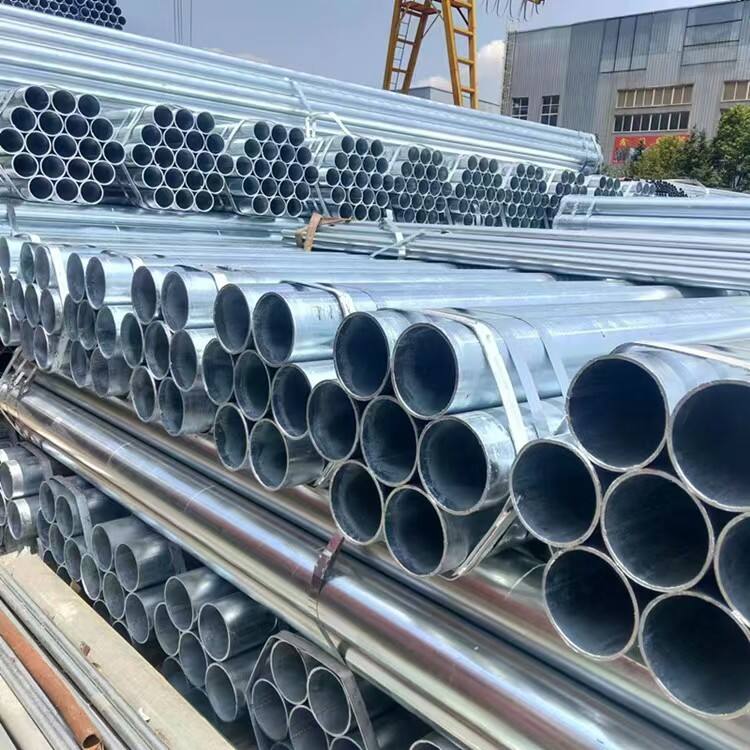
Premium galvanized pipe manufacturers maintain strict control over their galvanizing operations, including proper surface preparation, zinc bath composition, and cooling procedures. The zinc coating should be uniform, smooth, and free from defects such as bare spots, rough surfaces, or excessive zinc buildup. Quality manufacturers also implement comprehensive quality control measures throughout the galvanizing process to ensure consistent coating thickness and adherence to industry specifications.
Critical Quality Indicators and Inspection Criteria
Zinc Coating Thickness and Uniformity
One of the most important indicators of high-quality galvanized pipe is the thickness and uniformity of the zinc coating. Industry standards specify minimum coating thicknesses based on pipe size and intended application, typically ranging from 2.0 to 3.9 mils for different diameter ranges. Professional inspectors use magnetic thickness gauges to verify coating thickness at multiple points around the pipe circumference and along its length.
Superior galvanized pipe exhibits consistent coating thickness with minimal variation between measurement points. Significant variations in coating thickness can indicate poor process control or inadequate surface preparation during manufacturing. Quality suppliers provide detailed coating thickness reports and maintain traceability records that demonstrate compliance with applicable standards throughout the production process.
Surface Finish and Visual Quality Assessment
The surface appearance of galvanized pipe provides valuable insights into overall quality and manufacturing standards. High-quality products display a bright, uniform zinc coating with a characteristic spangle pattern that indicates proper galvanizing conditions. The surface should be free from defects such as black spots, white rust, flux deposits, or areas of incomplete coating coverage.
Professional quality assessment involves systematic visual inspection of the entire pipe surface, paying particular attention to threaded ends, welded joints, and areas where handling damage might occur. Premium galvanized pipe maintains consistent surface quality throughout its length and demonstrates proper attention to detail during manufacturing and handling processes.
Performance Testing and Verification Methods
Mechanical Property Evaluation
Comprehensive quality assessment of galvanized pipe includes verification of mechanical properties such as tensile strength, yield strength, and elongation characteristics. These properties must meet or exceed the minimum requirements specified in relevant standards for the intended application. Quality manufacturers conduct regular testing on production samples and provide certified mill test reports that document actual test results.
Advanced testing protocols may include impact testing, hardness measurements, and dimensional verification to ensure complete compliance with project specifications. Professional engineers should review these test results carefully and verify that the mechanical properties are appropriate for the specific loading conditions and environmental factors present in their applications.
Corrosion Resistance Assessment
Long-term performance of galvanized pipe depends heavily on its corrosion resistance characteristics, which can be evaluated through standardized testing procedures. Salt spray testing, according to ASTM B117 or similar standards, provides accelerated corrosion testing that simulates years of environmental exposure in controlled laboratory conditions. High-quality galvanized pipe should demonstrate excellent performance in these tests with minimal coating degradation.
Field performance data from similar applications and environments can also provide valuable insights into expected service life and maintenance requirements. Quality suppliers often maintain extensive databases of field performance information that can help specifiers make informed decisions about material selection and application suitability.
Supplier Selection and Documentation Requirements
Manufacturer Certification and Quality Systems
Selecting a reputable supplier with appropriate certifications and quality management systems is essential for ensuring consistent galvanized pipe quality. Look for manufacturers with ISO 9001 certification, AISC certification for structural applications, or other relevant industry certifications that demonstrate commitment to quality and continuous improvement. These certifications provide assurance that the supplier has implemented systematic quality control procedures and maintains proper documentation of their processes.
Leading galvanized pipe suppliers also maintain comprehensive traceability systems that allow tracking of materials from raw steel through final shipment. This traceability capability becomes particularly important for critical applications where material verification and quality documentation are essential for regulatory compliance or warranty requirements.
Technical Support and Documentation
High-quality galvanized pipe suppliers provide comprehensive technical support and documentation to help customers make informed decisions and ensure successful project outcomes. This support includes detailed product specifications, installation guidelines, compatibility information, and application recommendations based on extensive field experience and testing data.
Professional suppliers also offer training programs, technical seminars, and ongoing support throughout the project lifecycle. This level of support demonstrates the supplier's commitment to customer success and provides valuable resources for addressing technical challenges or optimization opportunities that may arise during design, installation, or operation phases.
FAQ
What is the typical service life of high-quality galvanized pipe?
High-quality galvanized pipe can provide 50-75 years or more of reliable service in typical atmospheric conditions, depending on environmental factors and application requirements. In marine or industrial environments with high corrosion potential, service life may be reduced to 20-40 years. Proper material selection, installation practices, and maintenance procedures can significantly extend service life and optimize long-term performance.
How can I verify the coating thickness of galvanized pipe on-site?
Coating thickness can be accurately measured using magnetic thickness gauges specifically designed for zinc coatings on steel substrates. These instruments provide non-destructive measurement capability and should be calibrated regularly using certified reference standards. Take measurements at multiple locations around the pipe circumference and along its length to ensure uniform coating thickness that meets specification requirements.
What are the key differences between hot-dip and electrogalvanized pipe?
Hot-dip galvanized pipe features a thicker zinc coating (typically 2-4 mils) applied through immersion in molten zinc, creating a metallurgical bond with superior corrosion resistance. Electrogalvanized pipe has a thinner coating (typically 0.2-0.8 mils) applied through electroplating, offering limited corrosion protection and shorter service life. Hot-dip galvanizing is generally preferred for structural and long-term applications requiring maximum durability.
How should galvanized pipe be stored to maintain quality?
Proper storage involves keeping galvanized pipe in dry, well-ventilated areas with adequate drainage and protection from standing water. Pipes should be stored on blocking or racks to prevent ground contact and allow air circulation around the entire surface. Avoid storing different metals in direct contact with galvanized pipe to prevent galvanic corrosion, and handle materials carefully to prevent damage to the zinc coating during storage and transportation.

