
 EN
EN
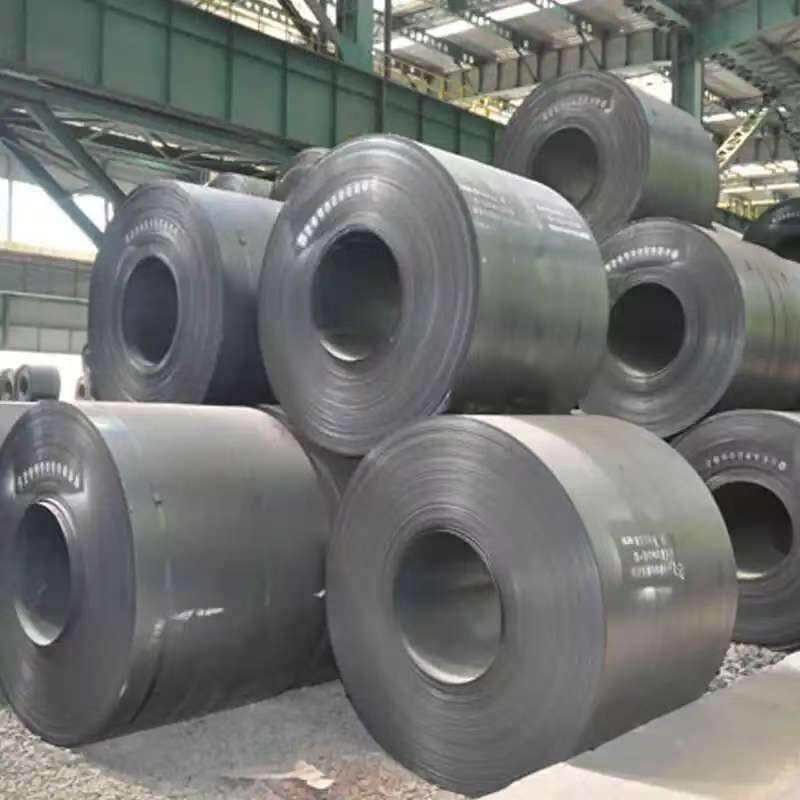
Hot rolled coil represents one of the most fundamental and versatile steel products in modern industrial manufacturing. This essential material undergoes a high-temperature rolling process that shapes steel into flat, continuous sheets wound into large coils. The manufacturing process involves heating steel slabs to temperatures exceeding 1000°C before passing them through a series of rolling mills. This process creates a material with excellent formability, strength characteristics, and cost-effectiveness that makes hot rolled coil indispensable across numerous industries. Understanding where hot rolled coil finds its most common applications today reveals the critical role this material plays in supporting global infrastructure, manufacturing, and economic development.
Construction and Infrastructure Applications
Building Framework and Structural Components
The construction industry represents the largest consumer of hot rolled coil globally, utilizing this material for creating structural steel beams, columns, and framework components. Construction companies prefer hot rolled coil because it offers superior strength-to-weight ratios and excellent weldability characteristics. The material's ability to be formed into complex shapes while maintaining structural integrity makes it ideal for modern architectural designs. Hot rolled coil serves as the foundation material for constructing commercial buildings, residential complexes, bridges, and industrial facilities.
Modern construction projects increasingly rely on hot rolled coil for creating prefabricated building components that can be manufactured off-site and assembled quickly. This approach reduces construction time and improves quality control while maintaining cost-effectiveness. The material's consistent properties and dimensional accuracy ensure that structural components meet stringent building codes and safety requirements across different climate conditions and geographical locations.
Infrastructure Development Projects
Large-scale infrastructure projects consume significant quantities of hot rolled coil for creating highway guardrails, bridge decking, and support structures. Transportation infrastructure particularly benefits from the material's durability and resistance to environmental factors. Hot rolled coil provides the necessary strength for supporting heavy traffic loads while maintaining long-term structural integrity. Municipal water treatment facilities, power generation plants, and telecommunications infrastructure also utilize hot rolled coil extensively.
Government infrastructure spending drives substantial demand for hot rolled coil in developing road networks, upgrading existing facilities, and creating new public works projects. The material's versatility allows engineers to design innovative solutions for complex infrastructure challenges while maintaining cost-effectiveness and durability standards required for public safety applications.
Automotive Manufacturing Industry
Vehicle Body and Chassis Production
Automotive manufacturers utilize hot rolled coil extensively for producing vehicle chassis components, body panels, and structural reinforcements. The automotive industry's demand for hot rolled coil continues growing as vehicle production increases globally. This material provides the necessary strength and formability for creating complex automotive shapes while maintaining weight efficiency requirements. Hot rolled coil enables manufacturers to produce vehicles that meet safety standards while optimizing fuel efficiency and performance characteristics.
Electric vehicle production particularly benefits from hot rolled coil applications, as manufacturers require materials that can accommodate battery mounting systems and enhanced safety features. The material's ability to be processed through advanced forming techniques allows automotive engineers to create innovative designs that improve vehicle performance, safety, and efficiency. Hot rolled coil also supports the production of commercial vehicles, trucks, and specialized automotive equipment.
Parts and Components Manufacturing
Automotive suppliers rely on hot rolled coil for manufacturing various vehicle components including wheels, suspension parts, and engine brackets. The material's consistent mechanical properties ensure that automotive parts meet quality standards and performance requirements. Hot rolled coil enables cost-effective production of high-volume automotive components while maintaining the precision and reliability demanded by modern vehicle systems.
Advanced automotive manufacturing processes utilize hot rolled coil for creating lightweight yet strong components that contribute to overall vehicle efficiency. The material's workability characteristics allow manufacturers to implement innovative production techniques that reduce waste and improve manufacturing efficiency while meeting stringent automotive industry standards.
Manufacturing and Industrial Equipment
Heavy Machinery and Equipment Production
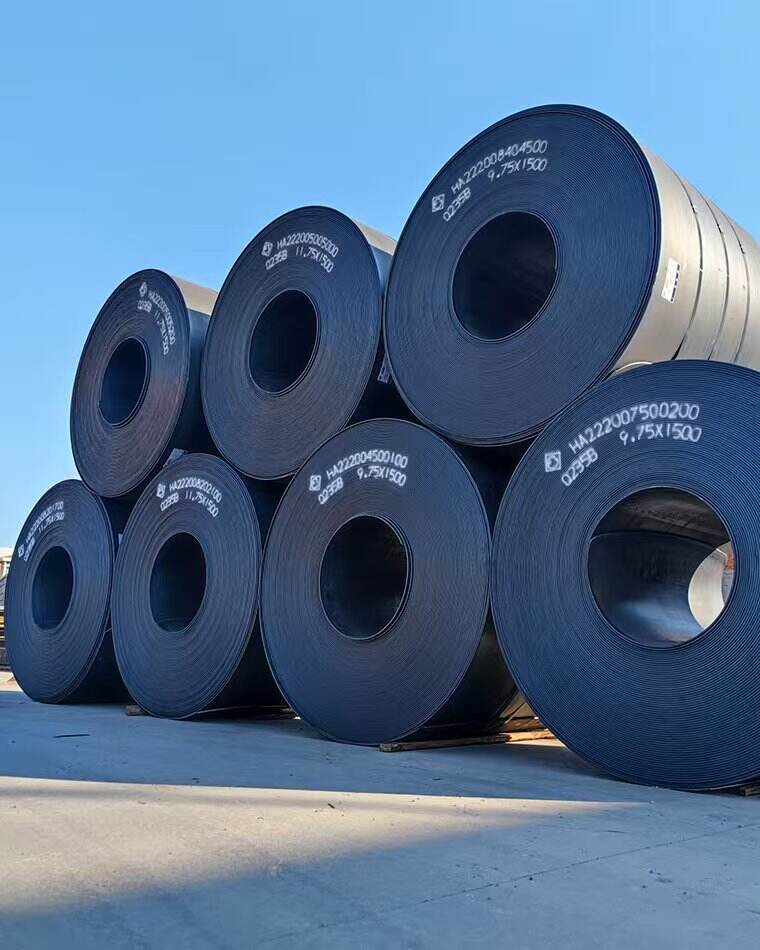
Industrial equipment manufacturers depend on hot rolled coil for creating machine frames, housings, and structural components. Heavy machinery production requires materials that can withstand significant operational stresses while maintaining dimensional stability. Hot rolled coil provides the necessary strength characteristics for manufacturing mining equipment, construction machinery, and agricultural implements. The material's excellent machinability allows manufacturers to create complex industrial components with precise tolerances.
Manufacturing facilities utilize hot rolled coil for producing conveyor systems, material handling equipment, and production line components. The material's durability ensures that industrial equipment can operate reliably in demanding environments while minimizing maintenance requirements. Hot rolled coil enables manufacturers to create cost-effective solutions for industrial automation and material processing applications.
Storage and Container Applications
Storage tank and container manufacturing represents another significant application area for hot rolled coil. Industrial facilities require storage solutions that can safely contain various materials while resisting corrosion and structural degradation. Hot rolled coil provides the necessary strength and formability for creating large-capacity storage tanks, pressure vessels, and shipping containers. The material's weldability characteristics ensure that storage systems maintain structural integrity under various operating conditions.
Shipping container production relies heavily on hot rolled coil for creating durable, lightweight containers that can withstand international transportation stresses. The material's consistent properties enable container manufacturers to produce standardized products that meet international shipping requirements while optimizing cargo capacity and handling efficiency.
Energy and Power Generation
Power Plant Construction and Components
Power generation facilities utilize hot rolled coil for constructing boiler housings, turbine supports, and auxiliary equipment structures. Energy production requires materials that can withstand high temperatures, pressures, and corrosive environments while maintaining structural integrity. Hot rolled coil provides the necessary properties for creating reliable power generation equipment that operates safely and efficiently over extended service lives.
Renewable energy projects increasingly rely on hot rolled coil for manufacturing wind turbine towers, solar panel mounting systems, and hydroelectric facility structures. The material's strength characteristics and environmental resistance make it ideal for renewable energy applications that must operate reliably in diverse weather conditions while minimizing maintenance requirements.
Transmission and Distribution Infrastructure
Electrical transmission systems require substantial quantities of hot rolled coil for creating transmission towers, substation structures, and equipment housings. Power distribution infrastructure depends on materials that can support heavy electrical equipment while resisting environmental degradation. Hot rolled coil enables utility companies to construct reliable electrical infrastructure that delivers power safely and efficiently to consumers and industrial facilities.
Smart grid technology implementation drives additional demand for hot rolled coil as utilities modernize electrical infrastructure with advanced monitoring and control systems. The material's versatility allows engineers to design innovative solutions that accommodate new technologies while maintaining the structural reliability required for critical electrical infrastructure.
Shipbuilding and Marine Applications
Vessel Hull and Structure Construction
Shipbuilding industries consume large quantities of hot rolled coil for constructing vessel hulls, decking, and structural frameworks. Marine applications require materials that can withstand saltwater corrosion, wave stresses, and extreme weather conditions. Hot rolled coil provides the necessary strength and formability for creating seaworthy vessels that operate safely in demanding marine environments. The material's weldability characteristics enable shipbuilders to construct complex vessel designs with reliable structural connections.
Commercial shipping vessels, naval craft, and offshore platforms utilize hot rolled coil extensively for creating durable marine structures. The material's mechanical properties ensure that vessels can carry heavy cargo loads while maintaining stability and safety in rough seas. Hot rolled coil enables shipbuilders to construct efficient vessel designs that optimize fuel consumption and operational performance.
Marine Equipment and Components
Marine equipment manufacturers rely on hot rolled coil for producing propeller shafts, engine mounts, and deck equipment components. Offshore oil and gas operations require specialized equipment that can operate reliably in harsh marine environments. Hot rolled coil provides the necessary material properties for creating marine equipment that withstands corrosive saltwater exposure while maintaining operational reliability.
Port facilities and marine terminals utilize hot rolled coil for constructing cargo handling equipment, dock structures, and container storage systems. The material's durability ensures that marine infrastructure can handle heavy cargo loads while resisting environmental degradation from saltwater exposure and weather conditions.
General Manufacturing and Fabrication
Metal Fabrication and Processing
Metal fabrication shops utilize hot rolled coil as raw material for creating custom components, assemblies, and finished products across various industries. The material's excellent workability characteristics make it ideal for cutting, bending, forming, and welding operations. Hot rolled coil enables fabricators to produce cost-effective solutions for diverse customer requirements while maintaining quality standards and delivery schedules.
Contract manufacturers rely on hot rolled coil for producing components used in agriculture, construction, mining, and transportation applications. The material's consistent properties ensure that fabricated products meet performance specifications while optimizing material utilization and manufacturing efficiency. Hot rolled coil supports both high-volume production runs and custom fabrication projects.
Consumer Products and Appliances
Appliance manufacturers utilize hot rolled coil for creating washing machine drums, refrigerator components, and heating equipment housings. Consumer product applications require materials that combine strength, formability, and cost-effectiveness. Hot rolled coil enables manufacturers to produce durable appliances that meet consumer expectations for performance and reliability while maintaining competitive pricing.
Furniture manufacturers and hardware producers also utilize hot rolled coil for creating metal components, fasteners, and structural elements. The material's versatility allows designers to create innovative products that combine functionality with aesthetic appeal while meeting durability requirements for consumer applications.
FAQ
What makes hot rolled coil suitable for construction applications
Hot rolled coil offers excellent strength-to-weight ratios, superior weldability, and cost-effectiveness that make it ideal for construction applications. The material can be formed into complex structural shapes while maintaining integrity, and its consistent properties ensure compliance with building codes. Construction projects benefit from hot rolled coil's ability to support heavy loads while providing long-term durability in various environmental conditions.
How does the automotive industry utilize hot rolled coil
Automotive manufacturers use hot rolled coil extensively for producing vehicle chassis components, body panels, and structural reinforcements. The material provides necessary strength and formability for creating complex automotive shapes while meeting safety standards. Hot rolled coil enables cost-effective production of high-volume automotive components and supports both traditional and electric vehicle manufacturing requirements.
Why is hot rolled coil preferred in marine applications
Marine applications require materials that can withstand saltwater corrosion, wave stresses, and extreme weather conditions. Hot rolled coil provides necessary strength characteristics and excellent weldability for constructing seaworthy vessels and marine equipment. The material's mechanical properties ensure vessels can carry heavy loads while maintaining stability and safety in challenging marine environments.
What role does hot rolled coil play in energy infrastructure
Power generation facilities and electrical transmission systems rely on hot rolled coil for constructing equipment housings, turbine supports, and transmission towers. The material withstands high temperatures, pressures, and environmental stresses while maintaining structural integrity. Hot rolled coil supports both traditional and renewable energy projects, enabling construction of reliable infrastructure that operates efficiently over extended service lives.

