
 EN
EN
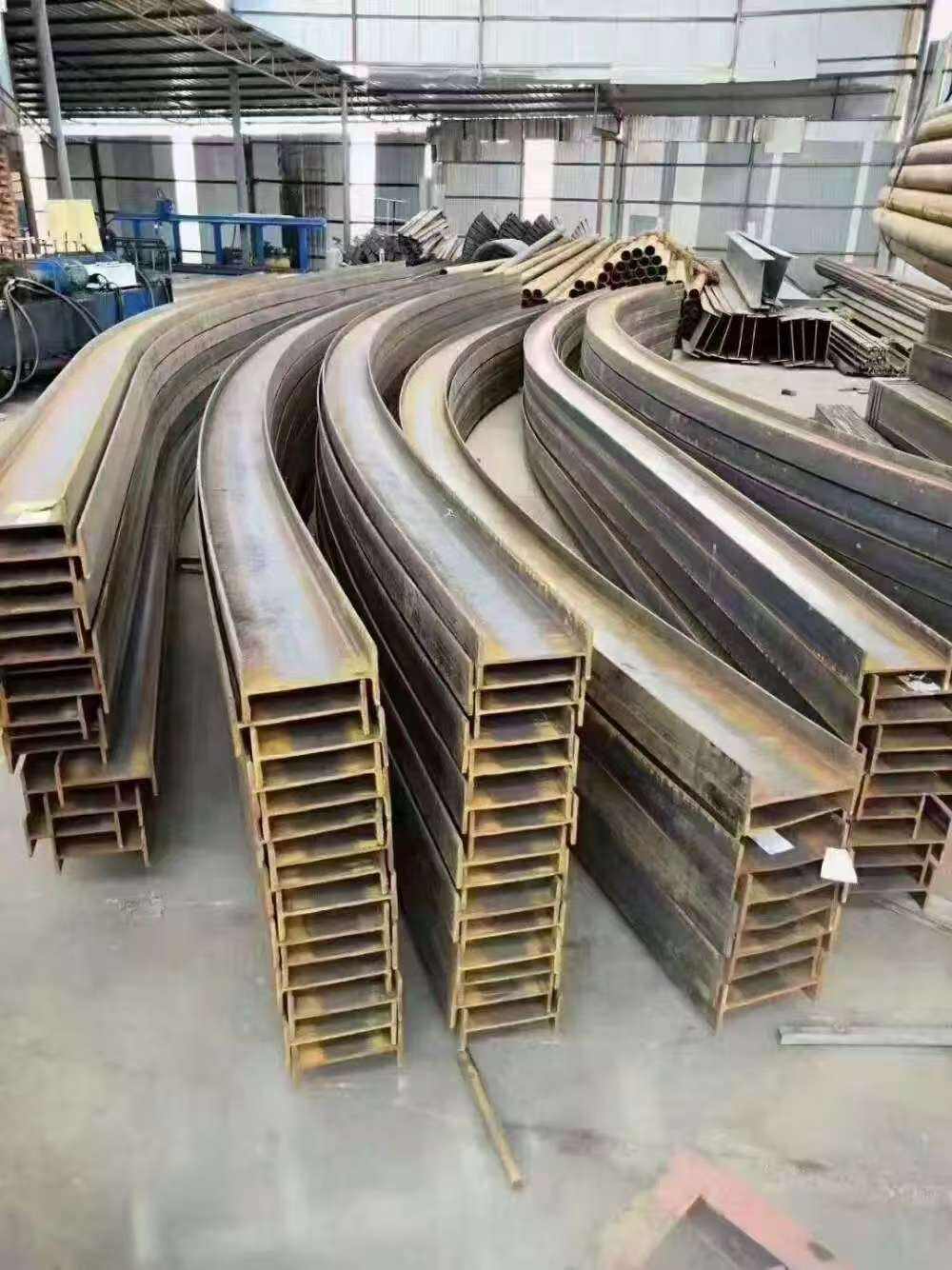
The construction industry has witnessed a significant shift toward personalized solutions, with custom steel building options leading the charge in modern architectural and industrial applications. These tailored structures offer unparalleled flexibility, durability, and cost-effectiveness for businesses across various sectors. Whether you're planning a manufacturing facility, warehouse, or specialized industrial complex, understanding the intricacies of custom steel building design can help you make informed decisions that align with your operational requirements and budget constraints.
Understanding Custom Steel Building Fundamentals
Structural Design Principles
A custom steel building begins with comprehensive structural analysis and design principles that ensure optimal performance under various load conditions. Engineers must consider factors such as wind loads, seismic activity, snow loads, and live loads when developing the framework specifications. The selection of appropriate steel grades, beam sizes, and connection methods directly impacts the building's longevity and safety performance. Modern custom steel building projects utilize advanced computer modeling software to simulate stress distributions and optimize material usage while maintaining structural integrity throughout the building's lifespan.
The foundation design for a custom steel building requires careful coordination between structural engineers and geotechnical specialists to ensure proper load transfer to the soil. Concrete footings, pile foundations, or mat foundations may be specified depending on soil conditions and building loads. The interface between the foundation and steel superstructure utilizes anchor bolts that are precisely positioned during concrete placement to achieve proper alignment with the steel columns.
Material Selection and Quality Standards
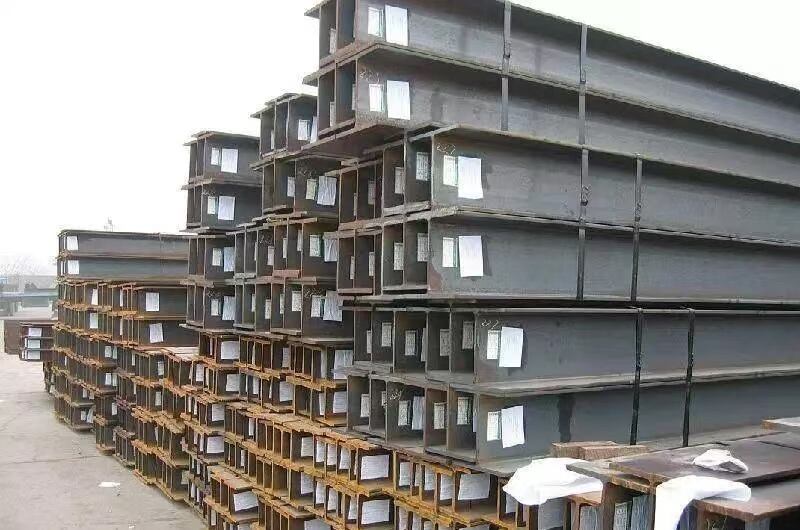
Material selection plays a crucial role in custom steel building performance, with various steel grades offering different strength characteristics and corrosion resistance properties. ASTM A992 grade steel is commonly specified for structural members due to its excellent strength-to-weight ratio and weldability characteristics. For applications requiring enhanced corrosion resistance, weathering steel or galvanized steel members may be specified to extend the building's service life in harsh environmental conditions.
Quality control measures throughout the fabrication process ensure that each custom steel building component meets specified tolerances and performance requirements. Mill test certificates, dimensional inspections, and welding quality verification are standard procedures that validate material properties and workmanship standards. Third-party inspection services may be engaged for critical applications where additional quality assurance is required to meet project specifications and regulatory compliance.
Design Flexibility and Customization Options
Architectural Integration Possibilities
Modern custom steel building design offers extensive architectural flexibility that allows for creative integration of aesthetic elements while maintaining structural efficiency. Clear-span capabilities of steel framing enable large open spaces without interior columns, providing maximum flexibility for interior layout arrangements. This feature is particularly valuable for manufacturing facilities, distribution centers, and event venues where unobstructed floor space is essential for operational efficiency.
Facade systems for custom steel building projects can incorporate various cladding materials including metal panels, masonry, glass curtain walls, or composite materials to achieve desired aesthetic outcomes. The structural steel frame provides a robust platform for supporting these diverse cladding systems while accommodating thermal expansion and contraction movements. Integrated design approaches ensure that architectural elements work harmoniously with the structural system to create buildings that are both functional and visually appealing.
Functional Space Planning
Effective space planning in a custom steel building requires thorough understanding of operational workflows, equipment requirements, and future expansion needs. The inherent flexibility of steel framing allows for easy modification of interior layouts as business needs evolve over time. Mezzanine levels, overhead crane systems, and specialized equipment platforms can be integrated into the initial design or added later as modifications to the existing structure.
Building systems integration including HVAC, electrical, and plumbing infrastructure must be coordinated with the structural design to ensure efficient installation and maintenance access. Steel framing provides numerous options for routing utilities through the structure while maintaining accessibility for future modifications or repairs. Strategic placement of utility corridors and access panels facilitates ongoing maintenance activities without disrupting building operations.
Construction Process and Timeline Management
Fabrication and Assembly Methods
The fabrication process for a custom steel building involves precise cutting, welding, and assembly of structural components in controlled shop environments. Computer-controlled cutting equipment ensures accurate dimensions and clean edge preparation for welding operations. Skilled welders follow certified welding procedures to create connections that meet or exceed design requirements for strength and durability. Quality control inspections throughout the fabrication process verify dimensional accuracy and weld quality before components are shipped to the construction site.
Erection sequencing for custom steel building projects requires careful planning to ensure efficient assembly while maintaining worker safety and structural stability during construction. Temporary bracing systems provide stability for partially erected frames until permanent bracing elements are installed. Crane capacity and reach requirements are analyzed during the design phase to optimize member sizes and connection details for efficient field assembly operations.
Project Scheduling Considerations
Effective project scheduling for custom steel building projects requires coordination between design, fabrication, and construction activities to minimize overall project duration. Design development typically requires several weeks to months depending on project complexity and client approval cycles. Fabrication lead times vary based on project size and fabricator capacity, with typical durations ranging from four to twelve weeks for standard projects.
Site preparation activities including excavation, foundation work, and utility installations can proceed concurrently with steel fabrication to optimize project schedules. Effective communication between all project stakeholders ensures that potential conflicts are identified and resolved before they impact construction progress. Weather considerations and seasonal factors may influence construction scheduling, particularly for projects in regions with severe winter conditions or extended rainy seasons.
Cost Optimization Strategies
Value Engineering Approaches
Value engineering in custom steel building projects focuses on optimizing material usage, fabrication efficiency, and construction methods to achieve cost savings without compromising performance requirements. Standardization of member sizes and connection details reduces fabrication costs and simplifies field assembly operations. Strategic use of standard rolled shapes versus built-up sections can significantly impact project economics while maintaining structural adequacy for the intended application.
Design optimization techniques including computer-aided structural analysis enable engineers to minimize material quantities while ensuring adequate safety margins for all loading conditions. Consideration of construction tolerances and erection sequences during the design phase can eliminate costly field modifications and reduce overall project costs. Collaboration between designers, fabricators, and constructors during the early project phases facilitates identification of cost-saving opportunities that may not be apparent when these disciplines work in isolation.
Long-term Economic Benefits
The economic advantages of custom steel building solutions extend beyond initial construction costs to include reduced maintenance requirements, energy efficiency benefits, and potential for future modifications or expansions. Steel's inherent durability and resistance to biological degradation minimize long-term maintenance costs compared to other construction materials. Proper protective coatings and design details can extend the service life of steel buildings to fifty years or more with minimal maintenance interventions.
Energy performance of custom steel building designs can be optimized through strategic selection of insulation systems, fenestration arrangements, and building orientation to minimize operational costs throughout the building's service life. Integration of renewable energy systems including solar panels or wind turbines can be facilitated by the structural capacity and geometric flexibility of steel framing systems. These sustainable design features contribute to reduced operating expenses and enhanced property values over time.
Compliance and Safety Considerations
Building Code Requirements
Custom steel building design must comply with applicable building codes and standards including the International Building Code, AISC Steel Construction Manual, and local jurisdictional requirements. Structural design calculations must demonstrate adequate safety margins for all applicable load combinations including dead loads, live loads, wind loads, and seismic forces. Fire resistance requirements may necessitate the application of protective coatings or fire-resistant assemblies depending on building occupancy classifications and local fire department requirements.
Accessibility compliance under the Americans with Disabilities Act requires careful attention to entrance design, interior circulation paths, and facility amenities to ensure equal access for all building users. Environmental regulations may impact site development, stormwater management, and waste disposal procedures during construction activities. Obtaining necessary permits and approvals requires coordination with local building departments and may involve plan review processes that can impact project schedules.
Safety Management Systems
Construction safety for custom steel building projects requires comprehensive planning and implementation of fall protection systems, crane safety procedures, and hazard communication programs. Steel erection activities present unique safety challenges that must be addressed through proper training, equipment selection, and work procedure development. OSHA regulations specific to steel erection provide detailed requirements for connectors, equipment operators, and site supervisory personnel involved in steel construction activities.
Ongoing safety management throughout the construction process includes regular safety meetings, hazard identification procedures, and incident reporting systems to maintain safe working conditions for all project personnel. Emergency response procedures and first aid capabilities must be established and maintained throughout the construction period to ensure rapid response to any safety incidents that may occur during building assembly operations.
FAQ
What factors determine the cost of a custom steel building project
The cost of a custom steel building project depends on several key factors including building size, structural complexity, site conditions, local labor rates, and material specifications. Larger buildings typically benefit from economies of scale, while complex geometries or specialized requirements may increase costs. Site accessibility, soil conditions, and utility availability can significantly impact foundation and site development costs. Current steel market prices and project timeline also influence overall project economics.
How long does it typically take to complete a custom steel building project
Custom steel building project timelines vary based on project size and complexity, but typical projects range from three to nine months from design initiation to project completion. Design and permitting phases usually require two to four months, while fabrication and construction activities add another two to six months depending on building size and site conditions. Weather, permit approval processes, and change orders can extend project schedules beyond initial estimates.
What maintenance requirements should be expected for steel buildings
Properly designed and constructed custom steel building structures require minimal maintenance over their service life. Regular inspections of protective coatings, roofing systems, and building envelope components help identify potential issues before they become costly problems. Repainting or coating renewal may be required every ten to twenty years depending on environmental exposure conditions. Mechanical and electrical systems typically require more frequent maintenance than the structural steel components themselves.
Can custom steel buildings be expanded or modified in the future
One of the primary advantages of custom steel building construction is the ease with which structures can be expanded or modified to accommodate changing business needs. Steel framing systems can typically support additional loads or structural modifications with proper engineering analysis and design. Building additions can often be integrated with existing structures through new connections or intermediate expansion joints. Planning for future expansion during initial design can minimize costs and complications when modifications become necessary.

