
 EN
EN
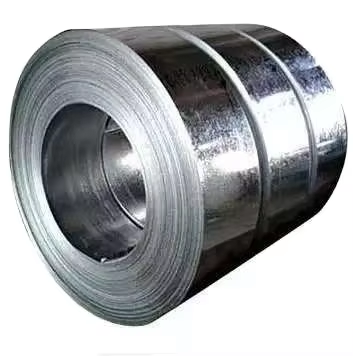
Across virtually every major industrial sector, galvanized steel has earned its place as one of the most dependable and widely used materials in modern manufacturing and construction. Its defining characteristic — a zinc coating applied through a hot-dip or electro-galvanizing process — gives the base steel a robust layer of corrosion resistance that dramatically extends service life, even in harsh or moisture-rich environments. Understanding where and why galvanized steel is used helps engineers, procurement managers, and project planners make smarter material decisions from the outset.
The applications of galvanized steel span an impressive range of industries, from civil infrastructure and automotive manufacturing to agriculture, energy, and telecommunications. Each of these sectors relies on galvanized steel not simply because it is affordable, but because it delivers a consistent combination of mechanical strength, surface durability, and long-term cost efficiency. This article explores the most common industrial applications of galvanized steel, explaining the specific reasons why this material is selected in each context and what performance characteristics make it the preferred choice.
Construction and Structural Engineering
Structural Frameworks and Load-Bearing Components
In the construction industry, galvanized steel is a foundational material for structural frameworks, including beams, columns, purlins, and trusses. These components are frequently exposed to outdoor conditions, humidity, and temperature fluctuations, all of which accelerate corrosion in untreated steel. The zinc coating on galvanized steel acts as both a physical barrier and a sacrificial anode, meaning it corrodes preferentially to protect the underlying steel even when the surface is scratched or damaged.
Large-scale commercial buildings, warehouses, sports facilities, and industrial plants routinely specify galvanized steel for their primary structural members. The material meets demanding load requirements while offering a service life that can exceed 50 years in many environments without requiring repainting or re-coating. This combination of structural integrity and low maintenance cost makes galvanized steel the practical default for structural engineers working on long-lifecycle projects.
Roofing systems also benefit significantly from galvanized steel. Corrugated galvanized steel sheets are used extensively for industrial roofing and wall cladding, providing weather resistance and structural rigidity at a competitive cost. The material's ability to be roll-formed into various profiles adds further versatility to its construction applications.
Piping, Conduits, and Infrastructure Systems
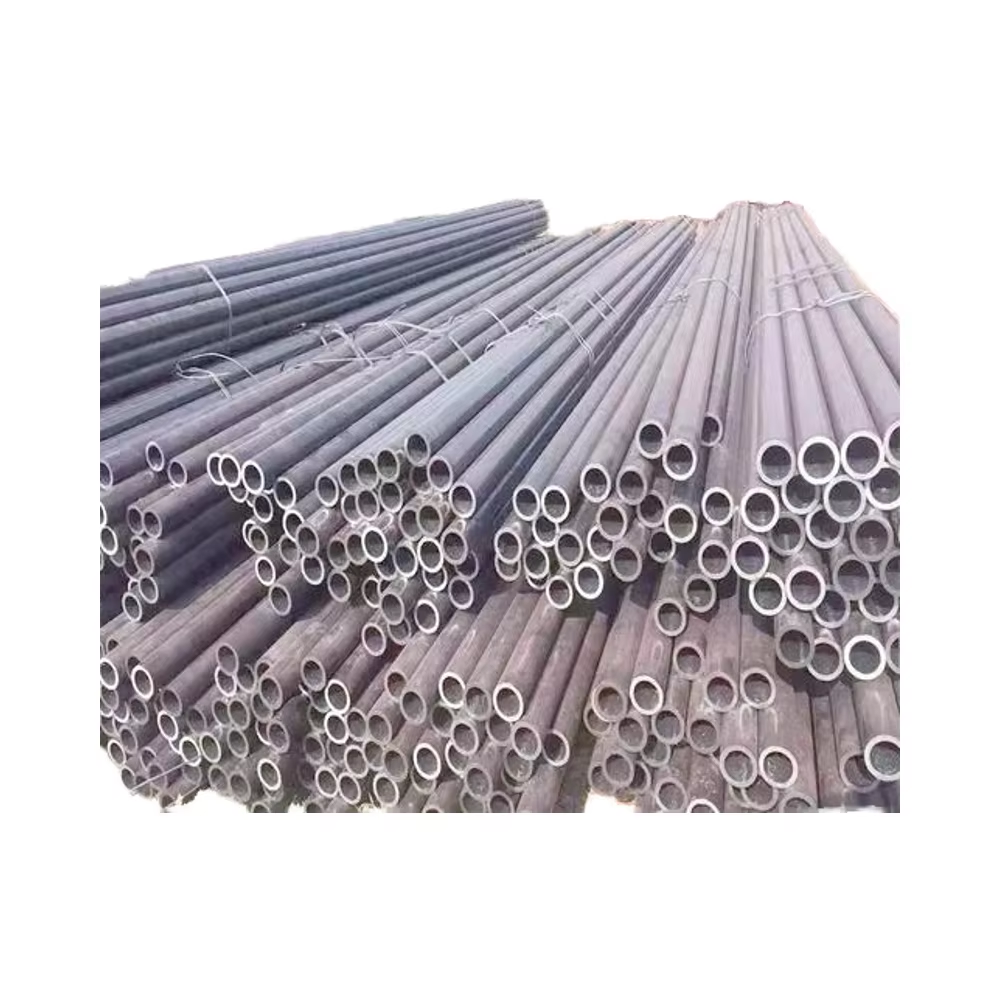
Galvanized steel tubes and pipes are a staple of building infrastructure, used in water supply lines, fire suppression systems, HVAC ducting, and electrical conduit installations. The zinc coating prevents internal and external corrosion, which is critical in plumbing and fluid-handling applications where pipe degradation can lead to contamination, leaks, or system failure. Galvanized steel pipes are particularly valued in applications where the pipe will be partially buried or embedded in concrete, where access for maintenance is limited.
In scaffolding systems, galvanized steel tubes are the industry standard. Scaffolding must withstand repeated assembly and disassembly cycles, outdoor exposure, and significant mechanical stress. The durability of galvanized steel under these conditions reduces replacement frequency and lowers the total cost of ownership for construction contractors who rely on scaffolding equipment across multiple project sites.
Automotive and Transportation Manufacturing
Vehicle Body Panels and Chassis Components
The automotive industry is one of the largest consumers of galvanized steel globally. Vehicle body panels — including doors, hoods, fenders, and floor pans — are commonly manufactured from electro-galvanized or hot-dip galvanized steel sheet. Road vehicles are continuously exposed to moisture, road salts, and environmental pollutants that would rapidly corrode unprotected steel. Galvanized steel provides the corrosion resistance needed to meet modern automotive warranty standards, which often extend to ten years or more for body perforation.
Chassis and underbody components face even more aggressive corrosion conditions than exterior panels, as they are directly exposed to road spray, mud, and de-icing chemicals. Galvanized steel used in these structural underbody applications must maintain its protective properties under mechanical stress and impact, which the zinc coating handles effectively due to its adhesion characteristics and sacrificial protection mechanism.
Rail, Commercial Vehicles, and Infrastructure Hardware
Beyond passenger vehicles, galvanized steel is widely used in the manufacture of commercial trucks, trailers, buses, and rail cars. The structural frames and body panels of these heavy-duty vehicles benefit from the same corrosion resistance properties, but the scale and weight requirements are considerably greater. Galvanized steel's ability to be welded, formed, and fabricated using standard metalworking processes makes it compatible with high-volume manufacturing workflows in these sectors.
Highway infrastructure hardware — including guardrails, signpost supports, bridge expansion joints, and cable trays — is almost universally produced from galvanized steel. These components are installed outdoors for decades with minimal maintenance access, making the long-term corrosion protection of galvanized steel not just desirable but operationally essential. The consistent performance of galvanized steel in these applications has made it the default specification in most national highway and transportation standards.
Agriculture and Rural Infrastructure
Farm Buildings, Fencing, and Storage Structures
Agricultural environments are particularly corrosive due to the combination of moisture, animal waste, fertilizers, and pesticides that are present in and around farm facilities. Galvanized steel is the material of choice for farm buildings, grain storage silos, livestock enclosures, and equipment sheds precisely because it can withstand these aggressive chemical and biological exposures without rapid degradation. The structural integrity of galvanized steel ensures that agricultural buildings remain safe and functional through decades of seasonal use.
Fencing is another major agricultural application for galvanized steel. Wire fencing, chain-link panels, and post-and-rail systems made from galvanized steel are used to contain livestock, define property boundaries, and protect crops. The zinc coating prevents the rust and weakening that would otherwise compromise fence integrity within just a few years in outdoor agricultural conditions. Farmers and land managers consistently choose galvanized steel fencing because it reduces the frequency and cost of replacement over the long term.
Irrigation Systems and Water Management
Irrigation infrastructure relies heavily on galvanized steel for pipes, fittings, support structures, and pump housings. Water management systems in agriculture must operate reliably across seasons and years, often in soil environments that are chemically active. Galvanized steel pipes used in irrigation systems resist both external soil corrosion and internal scaling better than many alternative materials, contributing to consistent water flow and system longevity.
Water storage tanks and elevated water towers in rural and agricultural settings are frequently constructed from galvanized steel panels or sheets. The material's ability to hold structural form under the weight of stored water, combined with its resistance to the corrosive effects of water contact, makes it a practical and cost-effective solution for water storage infrastructure in areas where access to maintenance services is limited.
Energy, Utilities, and Telecommunications
Power Transmission and Electrical Infrastructure
The energy sector depends on galvanized steel for a wide range of structural and functional components. Transmission towers, utility poles, substation structures, and cable trays are routinely fabricated from galvanized steel because these assets must remain structurally sound and electrically safe for 30 to 50 years or more with minimal intervention. The zinc coating on galvanized steel provides the corrosion protection needed to meet these lifecycle requirements in outdoor and semi-exposed environments.
Solar energy installations increasingly use galvanized steel for mounting structures and racking systems. Ground-mounted solar arrays require robust support frameworks that can withstand wind loads, soil movement, and prolonged UV and moisture exposure. Galvanized steel mounting systems meet these mechanical and environmental demands while keeping material costs manageable at the large scales typical of utility-grade solar projects.
Telecommunications Towers and Cable Management
Telecommunications infrastructure, including cell towers, antenna masts, and cable management systems, relies on galvanized steel for its structural components. These installations are located in diverse geographic environments — from coastal areas with high salt exposure to inland regions with extreme temperature variation — and must maintain structural integrity without frequent maintenance. Galvanized steel's proven performance across these varied conditions makes it the standard material specification for tower fabricators and network infrastructure contractors.
Cable trays and conduit systems used in industrial plants, data centers, and utility facilities are commonly manufactured from galvanized steel. These systems route electrical and data cables through buildings and outdoor environments, and the galvanized steel construction ensures that the trays remain structurally sound and do not corrode in ways that could damage the cables they support. The ease of fabrication and the availability of galvanized steel in standard profiles and dimensions simplifies installation and system expansion.
Manufacturing, HVAC, and General Industrial Use
Industrial Equipment and Machine Enclosures
In general manufacturing environments, galvanized steel is used extensively for machine guards, equipment enclosures, control panels, and factory flooring systems. The material's combination of strength, formability, and surface protection makes it suitable for components that must withstand physical impact, chemical splash, and continuous operational stress. Galvanized steel enclosures protect sensitive electrical and mechanical equipment from dust, moisture, and accidental contact, contributing to both safety and equipment longevity.
Food processing and pharmaceutical manufacturing facilities use galvanized steel in specific non-contact structural applications, such as mezzanine platforms, equipment support frames, and overhead cable management. While direct food-contact surfaces typically require stainless steel, the structural and support elements of these facilities benefit from the cost efficiency and durability of galvanized steel where hygiene regulations permit its use.
HVAC Ductwork and Ventilation Systems
Heating, ventilation, and air conditioning systems in commercial and industrial buildings are predominantly constructed from galvanized steel sheet. HVAC ductwork must resist moisture condensation, temperature cycling, and the mechanical stresses of air pressure and thermal expansion. Galvanized steel provides the necessary corrosion resistance and structural rigidity to maintain duct integrity over the operational life of the building, which can span several decades.
The fabrication characteristics of galvanized steel — including its weldability, its compatibility with standard sheet metal forming processes, and its availability in a wide range of gauges — make it the practical choice for HVAC contractors and sheet metal fabricators. Galvanized steel ductwork can be produced efficiently in standard rectangular, round, and oval profiles, and it accepts sealants and fasteners reliably, ensuring airtight system performance.
FAQ
Why is galvanized steel preferred over regular steel in outdoor applications?
Galvanized steel is preferred in outdoor applications because the zinc coating provides continuous corrosion protection that untreated steel cannot offer. The zinc layer acts as both a physical barrier against moisture and oxygen and as a sacrificial anode that corrodes in place of the base steel. This dual protection mechanism significantly extends the service life of galvanized steel components in outdoor environments, reducing maintenance costs and replacement frequency over the asset's lifetime.
Can galvanized steel be used in high-temperature industrial environments?
Galvanized steel performs well in moderate temperature ranges, but its zinc coating begins to degrade at sustained temperatures above approximately 200 degrees Celsius. In high-temperature industrial environments such as furnace surrounds, exhaust systems, or high-heat process equipment, alternative coatings or materials such as aluminized steel or stainless steel are typically specified. For most standard industrial and construction applications, however, operating temperatures remain well within the effective range of galvanized steel's protective coating.
How does galvanized steel compare in terms of maintenance requirements?
One of the primary advantages of galvanized steel in industrial applications is its low maintenance requirement. Unlike painted or coated steel that requires periodic repainting to maintain corrosion protection, galvanized steel's zinc coating is metallurgically bonded to the base steel and does not peel, chip, or require reapplication under normal service conditions. This makes galvanized steel particularly valuable in applications where access for maintenance is difficult or where maintenance downtime carries significant operational cost.
Is galvanized steel suitable for use in coastal or marine environments?
Galvanized steel can be used in coastal environments, but the elevated chloride levels in salt air and seawater accelerate zinc consumption, which reduces the effective service life of the coating compared to inland environments. In highly aggressive marine environments, additional protective measures such as duplex coating systems — combining galvanizing with a paint or powder coat layer — are often specified to achieve the required service life. For moderately coastal environments, standard hot-dip galvanized steel with adequate zinc coating thickness typically provides acceptable long-term performance.

