
 EN
EN
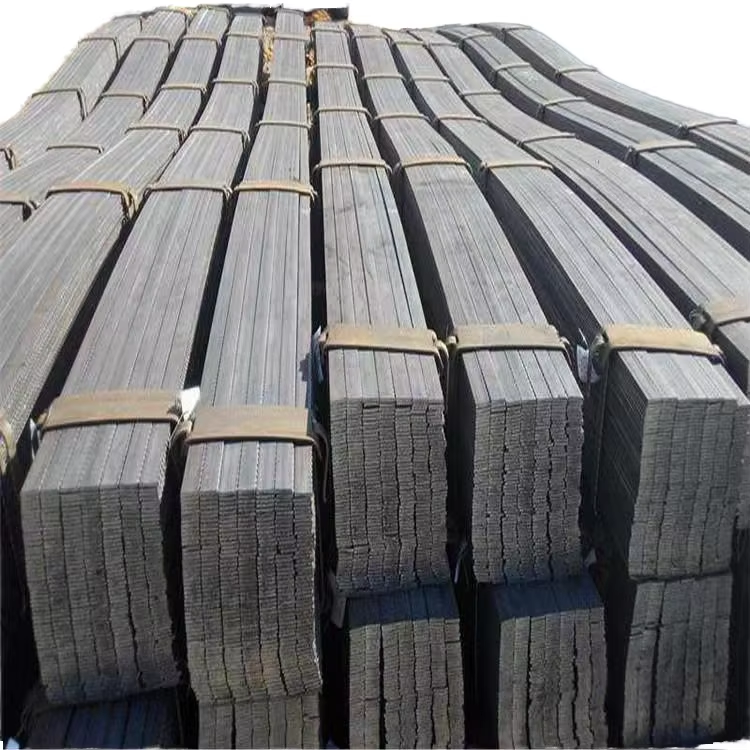
In industries where material wear and equipment longevity directly impact operational costs and safety, the choice of steel becomes a critical strategic decision. Manufacturing facilities, mining operations, construction sites, and material handling systems face constant friction, impact, and abrasive forces that gradually degrade ordinary steel components. This degradation leads to frequent replacements, unplanned downtime, and escalating maintenance budgets that erode profitability. Understanding why abrasion resistant steel plate matters enables engineers, procurement managers, and operations directors to make informed decisions that protect both physical assets and financial performance over the long term.
The significance of abrasion resistant steel plate extends beyond simple material substitution. It represents a fundamental shift in how industrial organizations approach equipment design, maintenance planning, and total cost of ownership calculations. When heavy machinery handles abrasive materials like ore, coal, aggregates, or scrap metal, the contact surfaces experience continuous wear that ordinary structural steel cannot withstand economically. Specialized steel plates engineered to resist this wear deliver measurable value through extended service life, reduced replacement frequency, and improved operational reliability that conventional materials simply cannot match in demanding applications.
Economic Impact on Industrial Operations
Reduction in Component Replacement Frequency
One of the most compelling reasons why abrasion resistant steel plate matters lies in its dramatic effect on replacement cycles for high-wear components. Traditional structural steel in chutes, hoppers, conveyor liners, and bucket surfaces may require replacement every few months in abrasive environments, while properly selected abrasion resistant steel plate can extend service life by three to ten times depending on application conditions. This extended durability translates directly into fewer shutdowns for maintenance, reduced labor costs for component replacement, and lower material procurement expenses over equipment lifetime.
The financial implications become particularly significant in continuous process industries where production interruptions carry substantial opportunity costs. A mining operation processing 10,000 tons daily with profit margins of $15 per ton loses $150,000 in revenue for each day of unplanned downtime. When abrasion resistant steel plate reduces annual maintenance shutdowns from six events to two events, the avoided downtime alone can justify the premium investment in superior materials. This economic reality drives adoption across industries where equipment availability directly determines profitability.
Long-Term Total Cost of Ownership Benefits
Beyond immediate replacement savings, abrasion resistant steel plate delivers substantial total cost of ownership advantages through secondary effects that extend throughout maintenance operations. Each component replacement requires not only the material itself but also skilled labor, specialized tools, crane time, and associated safety protocols. The cumulative cost of these replacement activities often exceeds the material cost by factors of two to four times. By reducing replacement frequency, organizations minimize the entire ecosystem of expenses surrounding maintenance events.
Inventory management costs also decrease when abrasion resistant steel plate extends component life. Maintenance departments can carry smaller spare parts inventories, reducing capital tied up in standby materials and minimizing warehouse space requirements. The predictability of longer service intervals enables better maintenance planning, allowing organizations to schedule replacements during planned shutdowns rather than responding to emergency failures. This shift from reactive to predictive maintenance represents a fundamental improvement in operational efficiency that affects resource allocation across multiple departments.
Productivity Gains Through Reduced Downtime
The relationship between material selection and production capacity becomes immediately apparent when examining downtime patterns. Each hour spent replacing worn components represents lost production that can never be fully recovered. In capital-intensive industries with high fixed costs, maintaining maximum equipment availability becomes essential to achieving targeted returns on investment. abrasion resistant steel plate supports higher availability rates by minimizing wear-related failures that force unplanned equipment shutdowns.
The productivity impact extends beyond simple uptime calculations. Equipment operating with severely worn components often experiences reduced throughput, increased energy consumption, and quality issues that affect downstream processes. A worn conveyor chute may cause material spillage that requires cleanup, creates safety hazards, and reduces effective capacity. Worn bucket teeth on excavators decrease digging efficiency and increase fuel consumption. By maintaining component integrity longer, abrasion resistant steel plate helps equipment maintain design performance throughout extended service intervals rather than suffering gradual degradation between replacements.
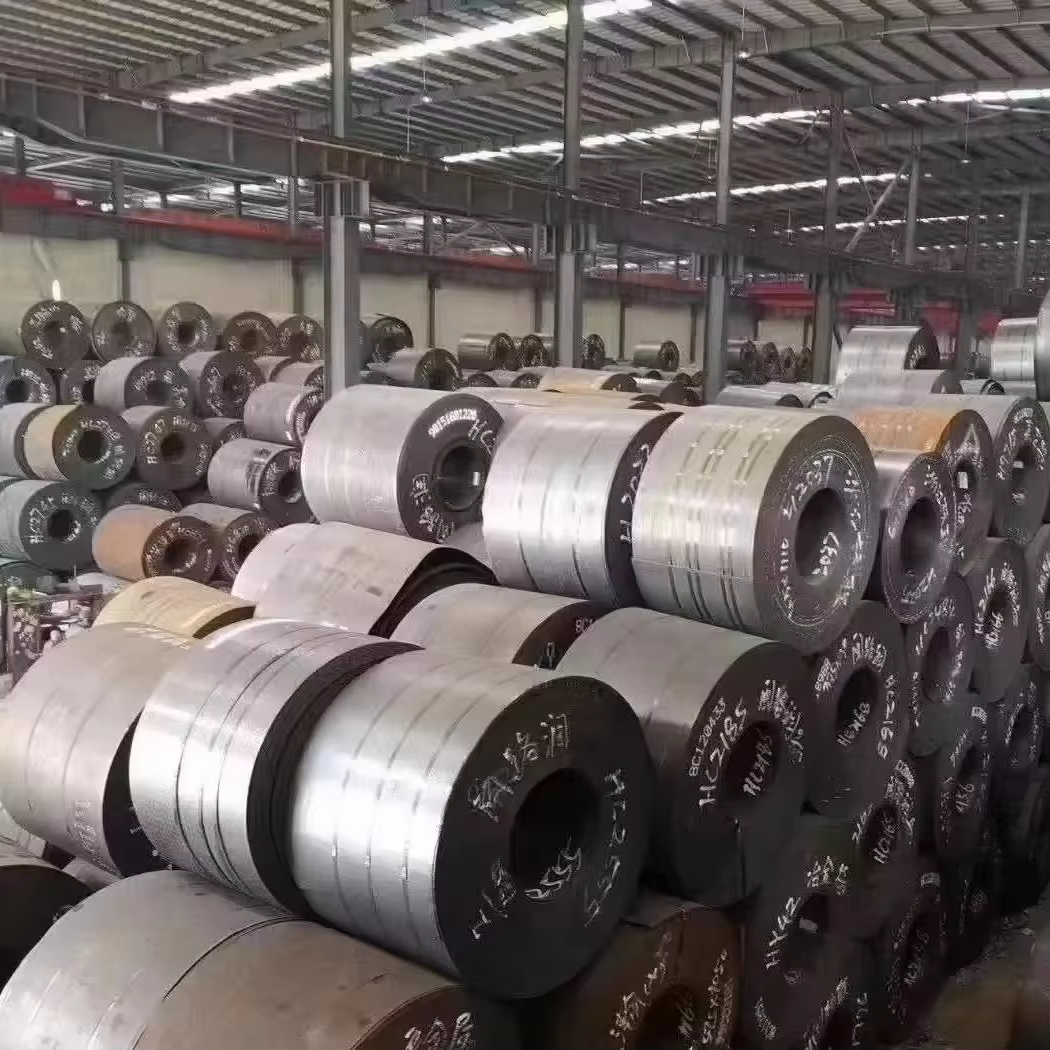
Safety and Risk Management Considerations
Structural Integrity Under Abrasive Conditions
The importance of abrasion resistant steel plate becomes particularly critical when considering safety implications of component wear. As steel surfaces erode under abrasive conditions, structural thickness decreases, reducing load-bearing capacity and increasing failure risk. A hopper wall that loses half its thickness through abrasion may no longer safely contain the designed material volume, creating potential for catastrophic failure with serious personnel safety consequences. Abrasion resistant steel plate maintains structural margins longer, providing inherent safety buffers that protect workers and equipment.
Inspection requirements and safety monitoring protocols often escalate as components approach end-of-life conditions. Organizations must dedicate resources to frequent thickness measurements, visual inspections, and structural assessments of wearing surfaces. These inspection activities require equipment access that may necessitate additional shutdowns, work-at-height protocols, and confined space entries that introduce their own safety risks. By extending the interval between critical wear states, abrasion resistant steel plate reduces the frequency of these high-risk inspection activities while maintaining safer operating margins throughout component life.
Prevention of Sudden Equipment Failures
Sudden component failures in material handling systems create immediate hazards for nearby personnel and can damage adjacent equipment through uncontrolled material release or mechanical impact. A conveyor chute that fails unexpectedly may dump tons of material onto personnel or equipment below. A bucket that breaks during excavation can cause load imbalance and potential tip-over conditions. The predictable wear characteristics of abrasion resistant steel plate enable more reliable failure prediction, allowing planned replacement before critical failure modes develop.
The material science behind abrasion resistant steel plate contributes to safer failure modes when extreme wear does occur. Rather than brittle fracture under stress, properly selected grades typically exhibit progressive thinning that provides visual warning before catastrophic failure. This characteristic gives maintenance teams opportunity to identify and address wear issues during routine inspections rather than discovering problems through sudden failure events. The predictability inherent in abrasion resistant steel plate performance supports proactive safety management rather than reactive emergency response.
Environmental Containment Reliability
In applications involving potentially hazardous materials, the containment integrity provided by abrasion resistant steel plate takes on environmental protection significance. Processing facilities handling chemicals, minerals with heavy metal content, or other regulated materials must maintain reliable containment to prevent environmental releases. Worn-through chutes, hoppers, or transfer points can allow material escape that creates soil contamination, water pollution, or air quality issues with substantial regulatory and remediation costs.
The extended containment reliability of abrasion resistant steel plate reduces environmental risk exposure throughout equipment life. Fewer replacement cycles mean fewer opportunities for installation errors, gasket failures, or temporary containment compromises during maintenance activities. The consistent material performance enables more confident compliance with environmental permits and operating conditions, reducing the likelihood of violations that carry financial penalties and reputational damage. This environmental protection value becomes particularly important as regulatory standards tighten and stakeholder expectations for responsible operations increase.
Performance Advantages in Demanding Applications
Superior Wear Resistance Characteristics
The fundamental reason abrasion resistant steel plate matters centers on its engineered microstructure that provides exceptional hardness and toughness combinations. Through controlled heat treatment processes and alloy design, manufacturers create steel with surface hardness levels ranging from 400 to 600 Brinell, compared to approximately 120 Brinell for common structural steel. This hardness differential directly translates to wear resistance, with harder materials resisting penetration and erosion from abrasive particles that would rapidly degrade softer alternatives.
The wear resistance advantage becomes particularly pronounced in high-impact applications where abrasive forces combine with mechanical shock. Crusher liners, impact bars, and deflector plates experience both sliding abrasion and repeated impact loading that creates especially severe wear conditions. Abrasion resistant steel plate formulations balance hardness with sufficient toughness to absorb impact energy without cracking, a combination that ordinary hardened steel cannot achieve. This performance balance enables single-material solutions where alternative approaches might require composite structures or frequent component replacement.
Consistent Performance Across Temperature Ranges
Material handling equipment often operates across wide temperature ranges that affect steel properties and wear behavior. Hot material handling in steel mills, cement plants, and foundries subjects equipment to temperatures that can soften ordinary steel and accelerate wear rates. Conversely, cold climate operations expose equipment to low temperatures that increase brittleness risk. Premium abrasion resistant steel plate grades maintain stable mechanical properties across temperature extremes, ensuring consistent wear performance regardless of operating conditions.
The temperature stability of abrasion resistant steel plate eliminates performance uncertainty that complicates maintenance planning in variable-temperature applications. Equipment designers can specify components with confidence that wear rates will remain predictable whether handling frozen material in winter or hot material in summer. This consistency enables accurate lifecycle costing and replacement scheduling that accounts for actual operating conditions rather than requiring conservative estimates that assume worst-case scenarios. The reliability across temperature ranges makes abrasion resistant steel plate particularly valuable in outdoor installations and process applications with variable thermal conditions.
Fabrication Compatibility and Design Flexibility
While delivering superior wear performance, modern abrasion resistant steel plate formulations also provide reasonable fabrication characteristics that enable practical implementation in complex equipment designs. Manufacturers have developed grades that accept common welding processes when proper procedures are followed, allowing fabricators to construct custom components rather than being limited to simple flat applications. This fabrication compatibility means engineers can incorporate abrasion resistant steel plate into sophisticated geometries that optimize material flow, structural efficiency, and maintenance access.
The design flexibility enabled by abrasion resistant steel plate supports innovative equipment configurations that maximize performance while minimizing weight and cost. Fabricators can use thinner sections of high-performance material to achieve equivalent wear life compared to much thicker sections of ordinary steel, reducing structural weight and improving handling characteristics. Selective reinforcement strategies allow designers to apply abrasion resistant steel plate only in high-wear zones while using conventional steel for structural support, optimizing material cost while protecting critical surfaces. This strategic material placement capability represents a sophisticated approach to equipment design that balances performance, cost, and practical fabrication considerations.
Industry-Specific Value Propositions
Mining and Mineral Processing Applications
The mining industry represents one of the most demanding environments where abrasion resistant steel plate demonstrates its value through extreme wear conditions. Ore handling systems from primary crushers through screening plants subject equipment to continuous abrasion from hard, angular rock particles with Mohs hardness often exceeding the steel itself. Truck beds, loader buckets, conveyor chutes, and crusher liners face wear rates that can remove millimeters of material thickness per week in severe applications. Abrasion resistant steel plate extends component life from weeks to months or even years depending on specific conditions and material grades selected.
The economic scale of mining operations amplifies the value proposition for abrasion resistant steel plate. Large open-pit mines may operate dozens of haul trucks, each requiring bed liner replacement that involves substantial labor and equipment downtime. By tripling or quadrupling liner life, abrasion resistant steel plate reduces the mining fleet's maintenance burden, allowing maintenance resources to focus on other critical systems. Similar benefits extend throughout mineral processing plants where countless wear surfaces require regular attention. The cumulative effect across an entire operation can represent millions of dollars in annual maintenance cost reduction while improving equipment availability that directly supports production targets.
Construction and Aggregate Production
Construction equipment manufacturers and aggregate producers face similar abrasive challenges as mining operations but often with greater equipment mobility requirements and more diverse operating conditions. Excavator buckets, dozer blades, and crushing equipment must withstand abrasion from sand, gravel, recycled concrete, and other construction materials while maintaining reasonable weight for transportation and fuel efficiency. Abrasion resistant steel plate provides the optimal balance of wear protection and weight management that enables practical equipment design for construction applications.
In aggregate production specifically, the quality consistency of crushed stone products depends partly on equipment wear patterns. Worn crusher liners affect particle size distribution and product gradation, potentially creating quality issues that reduce product value or require reprocessing. By maintaining more consistent crushing chamber geometry throughout longer service intervals, abrasion resistant steel plate helps producers maintain product quality specifications that meet customer requirements and command premium pricing. This quality maintenance benefit adds another dimension to the value equation beyond simple component longevity.
Manufacturing and Material Handling Systems
Manufacturing facilities handling bulk materials experience wear challenges that, while perhaps less extreme than mining applications, still significantly impact operational efficiency and maintenance costs. Cement plants, power generation facilities, steel mills, and recycling operations all contain extensive material handling systems where abrasion resistant steel plate delivers measurable value. Conveyor transfer points, storage bin outlets, feeder liners, and chute systems benefit from extended wear life that reduces maintenance interventions in often difficult-to-access locations.
The integration of abrasion resistant steel plate into manufacturing operations often enables productivity improvements beyond simple wear reduction. Better material flow characteristics resulting from smooth, wear-resistant surfaces can increase throughput, reduce energy consumption in conveying systems, and minimize material buildup that requires periodic cleaning. These secondary benefits complement the primary maintenance cost advantages, creating a comprehensive value proposition that affects multiple performance metrics across manufacturing operations. The holistic impact on plant efficiency makes abrasion resistant steel plate an enabling technology for continuous improvement initiatives rather than simply a maintenance material.
Selection and Implementation Strategies
Application Analysis and Grade Selection
Realizing the full value potential of abrasion resistant steel plate requires careful application analysis and appropriate grade selection matched to specific wear mechanisms and operating conditions. Not all abrasive wear situations are identical, and different material formulations excel under different conditions. Low-stress sliding abrasion situations may perform adequately with 400 Brinell hardness grades, while high-impact applications benefit from 500 Brinell or harder formulations with enhanced toughness. Understanding the dominant wear mechanism enables specification of the optimal material grade that maximizes cost-effectiveness.
The selection process should consider not only wear resistance but also fabrication requirements, welding needs, and operating environment factors. Applications requiring extensive welding may benefit from lower-carbon formulations that minimize heat-affected zone softening and cracking risk. Extremely low temperature applications require grades with guaranteed Charpy impact properties at service temperatures. Corrosive environments may necessitate consideration of how abrasion and corrosion interact to affect material performance. This comprehensive selection approach ensures that abrasion resistant steel plate delivers optimal performance rather than simply substituting harder material without strategic consideration.
Installation and Fabrication Best Practices
Proper installation techniques significantly influence how effectively abrasion resistant steel plate delivers its potential value. Welding procedures require particular attention, as improper practices can create heat-affected zones with reduced hardness or introduce cracking that compromises performance. Following manufacturer recommendations for preheat, interpass temperature control, and post-weld treatment ensures that welded assemblies maintain material properties and deliver expected service life. Many fabrication failures attributed to material inadequacy actually result from improper welding practices that could be avoided through appropriate procedural controls.
Strategic orientation of abrasion resistant steel plate during installation can significantly affect wear performance in directional flow applications. The rolling direction of the plate creates subtle microstructural orientations that may perform differently depending on abrasive flow patterns. Positioning harder outer surfaces toward abrasive contact and avoiding sharp edges that concentrate wear can extend component life beyond baseline expectations. These installation refinements represent opportunities to maximize return on material investment through attention to application-specific details that affect real-world performance.
Performance Monitoring and Lifecycle Management
Implementing systematic performance monitoring enables organizations to validate the value delivered by abrasion resistant steel plate while building knowledge that informs future material selections. Tracking component installation dates, operating hours, material types processed, and removal reasons creates data that supports objective lifecycle cost analysis and continuous improvement. Thickness measurements at defined intervals provide wear rate data that enables predictive replacement scheduling and validates material selection decisions against actual operating conditions.
The performance data gathered through systematic monitoring creates organizational knowledge that compounds over time, enabling increasingly sophisticated material strategies. Identifying which applications deliver greatest return on investment in premium materials guides budget allocation toward highest-impact opportunities. Recognizing applications where standard grades perform adequately prevents over-specification that wastes resources. This evidence-based approach to material management transforms abrasion resistant steel plate implementation from intuitive decisions into data-driven strategies that deliver measurable financial returns and continuous performance improvement.
FAQ
What makes abrasion resistant steel plate different from regular structural steel?
Abrasion resistant steel plate differs fundamentally in its microstructure and mechanical properties, specifically engineered to resist wear under abrasive conditions. Through controlled heat treatment and alloy design, these materials achieve surface hardness levels of 400-600 Brinell compared to approximately 120 Brinell for common structural steel. This hardness differential provides three to ten times greater wear resistance in abrasive applications. Additionally, abrasion resistant steel plate balances hardness with sufficient toughness to withstand impact loading without cracking, a combination ordinary structural steel cannot provide. The specialized manufacturing processes create a material optimized for wear performance rather than just structural load-bearing, making it essential for equipment facing continuous abrasive forces.
How does abrasion resistant steel plate reduce operational costs?
Abrasion resistant steel plate reduces operational costs through multiple mechanisms that extend beyond simple material replacement savings. The extended component life directly decreases material procurement expenses and reduces replacement frequency by three to ten times depending on application severity. This longevity minimizes labor costs for component changeouts and reduces downtime that carries substantial opportunity costs in production environments. Secondary cost benefits include smaller spare parts inventories, reduced inspection frequency, fewer safety incidents related to worn equipment, and improved equipment availability that maximizes production capacity. The cumulative effect typically delivers total cost of ownership reductions of 40-70% compared to using ordinary structural steel in high-wear applications, with payback periods often under one year in severe service conditions.
Can abrasion resistant steel plate be welded and fabricated into custom shapes?
Modern abrasion resistant steel plate grades can be welded and fabricated when proper procedures are followed, though they require more careful handling than ordinary structural steel. Welding success depends on following manufacturer recommendations for preheat temperatures, interpass temperature control, welding process selection, and filler material specification. Lower-carbon formulations within the abrasion resistant steel plate family offer improved weldability for applications requiring extensive welding. Cutting can be accomplished through plasma, oxy-fuel, or waterjet methods, while forming operations are possible with appropriate equipment and technique adjustments. The key to successful fabrication lies in understanding that the hardness that provides wear resistance also requires adapted fabrication approaches. When proper practices are implemented, fabricators can create complex custom components that deliver superior wear performance in sophisticated equipment designs.
How do I determine which grade of abrasion resistant steel plate is appropriate for my application?
Selecting the appropriate abrasion resistant steel plate grade requires analyzing several application factors including wear mechanism, impact severity, operating temperature, and fabrication requirements. Low-stress sliding abrasion with minimal impact may perform adequately with 400 Brinell grades, while high-impact applications benefit from 500 Brinell or harder formulations with enhanced toughness properties. Applications requiring extensive welding favor lower-carbon variants that minimize heat-affected zone issues. Operating environments with temperature extremes or corrosive conditions require grades with appropriate environmental resistance. Consultation with material suppliers who understand application specifics helps match material properties to actual service conditions. Many organizations benefit from initial trial installations of different grades in comparable service locations, monitoring performance to identify optimal specifications based on actual wear rates and total cost results rather than relying solely on theoretical predictions.
Table of Contents
- Economic Impact on Industrial Operations
- Safety and Risk Management Considerations
- Performance Advantages in Demanding Applications
- Industry-Specific Value Propositions
- Selection and Implementation Strategies
-
FAQ
- What makes abrasion resistant steel plate different from regular structural steel?
- How does abrasion resistant steel plate reduce operational costs?
- Can abrasion resistant steel plate be welded and fabricated into custom shapes?
- How do I determine which grade of abrasion resistant steel plate is appropriate for my application?

