
 EN
EN
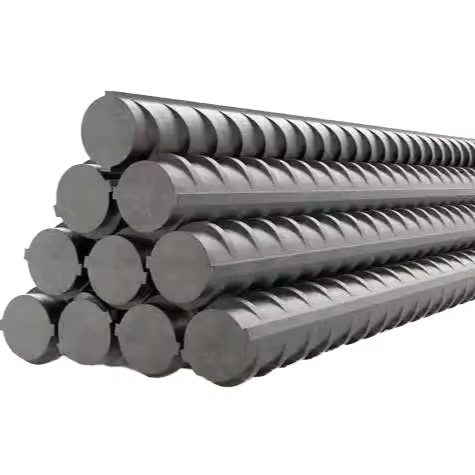
The structural integrity and longevity of concrete reinforcement depend critically on multiple factors that influence how steel rebar performs once installed on construction sites. Understanding these performance determinants enables engineers, contractors, and construction managers to make informed decisions that enhance project outcomes, reduce maintenance costs, and ensure compliance with structural safety standards. Steel rebar performance on site is not solely determined by the material properties at the manufacturing stage but is profoundly affected by handling practices, environmental exposure, installation techniques, and interactions with surrounding concrete and site conditions.
From the moment steel rebar arrives at the construction site until it becomes permanently embedded within hardened concrete, numerous variables can compromise or enhance its structural effectiveness. Material grade and chemical composition, storage and handling protocols, corrosion exposure, concrete cover thickness, placement accuracy, bonding quality, and ambient temperature conditions all play interconnected roles in determining the ultimate performance of reinforced concrete elements. This comprehensive examination explores the critical factors that construction professionals must control and monitor to optimize steel rebar performance throughout the construction phase and the structure's service life.
Material Quality and Specifications
Grade Designation and Mechanical Properties
The fundamental performance characteristics of steel rebar begin with its grade designation, which defines yield strength, tensile strength, and elongation capacity. Common grades such as HRB400 and HRB500 indicate minimum yield strengths of 400 MPa and 500 MPa respectively, directly influencing load-bearing capacity and structural behavior under stress. Higher-grade steel rebar offers superior strength-to-weight ratios, allowing for optimized designs with reduced material consumption while maintaining or improving structural performance. The selection of appropriate grades must align with design loads, span requirements, and local building codes to ensure adequate performance margins.
Beyond nominal strength values, the uniformity of mechanical properties along the length of steel rebar significantly affects on-site performance. Variations in strength characteristics can create weak points within reinforced concrete members, potentially leading to premature failure or uneven stress distribution. Manufacturing processes that ensure consistent grain structure, carbon content, and heat treatment results produce steel rebar with predictable behavior under loading conditions. Construction teams should verify that supplied materials carry valid mill certificates documenting actual tested properties rather than relying solely on grade markings.
Chemical Composition and Corrosion Resistance
The chemical makeup of steel rebar directly determines its susceptibility to corrosion, which represents one of the most significant threats to long-term structural performance. Carbon content, typically ranging between 0.14% and 0.25% in construction-grade steel, influences both strength and weldability while affecting corrosion behavior. Alloying elements including chromium, nickel, and molybdenum enhance corrosion resistance but increase material costs, making their inclusion a design decision based on expected environmental exposure conditions throughout the structure's service life.
Phosphorus and sulfur content must be carefully controlled during steel production as excessive levels can create inclusions and brittleness that compromise steel rebar integrity. These impurities can accelerate corrosion initiation by creating electrochemical imbalances within the material matrix. Advanced manufacturing facilities employ precise chemical controls and testing protocols to minimize deleterious elements while maintaining the desired balance of strength-enhancing components. For projects in aggressive environments such as coastal zones, industrial areas with chemical exposure, or regions with de-icing salt application, specifying steel rebar with enhanced corrosion-resistant chemistry becomes essential for sustained performance.
Surface Condition and Deformation Pattern
The surface characteristics of steel rebar fundamentally influence its bonding effectiveness with concrete, directly affecting composite structural behavior and load transfer mechanisms. Rib patterns, spacing, height, and geometry are standardized to ensure adequate mechanical interlock between steel rebar and the surrounding concrete matrix. Properly configured ribs prevent slippage under stress and enable the reinforcement to function as an integral component of the structural system rather than as separate elements. Deviation from specified deformation patterns can significantly reduce bond strength and compromise structural performance.
Surface contamination including mill scale, rust, oil, mud, or chemical residues creates barriers that prevent proper bonding between steel rebar and concrete. While light surface rust may actually enhance bond characteristics by increasing surface roughness, heavy rust scaling or loose oxidation products must be removed before concrete placement. On-site storage conditions and handling practices directly impact surface condition preservation, making proper material management a critical factor in maintaining steel rebar performance potential throughout the construction phase.
Environmental and Storage Conditions
Atmospheric Exposure and Corrosion Initiation
Environmental conditions at construction sites create varying levels of corrosion risk that directly affect steel rebar performance before and after concrete placement. Relative humidity levels, temperature fluctuations, presence of chloride ions, sulfur dioxide concentrations, and rainfall patterns all influence the rate at which corrosion processes initiate and progress on exposed steel surfaces. Coastal construction sites face particularly aggressive conditions where airborne salt particles accelerate electrochemical reactions that degrade steel rebar even before installation. Understanding site-specific environmental factors enables appropriate protective measures and realistic performance expectations.
The duration of steel rebar exposure between delivery and concrete encasement significantly affects its initial condition and subsequent long-term performance. Extended storage periods under humid conditions allow oxide layers to thicken beyond the beneficial light rust stage, potentially creating loose scale that weakens the steel-concrete interface. Construction schedules should minimize the time between steel rebar placement and concrete pouring, particularly in aggressive environments. When delays are unavoidable, temporary protective measures including plastic sheeting, corrosion inhibitor application, or climate-controlled storage may be warranted to preserve material integrity.
On-Site Storage Practices
Proper storage techniques preserve the quality and performance potential of steel rebar from delivery through installation. Materials should be elevated above ground level on timber dunnage or concrete blocks to prevent contact with standing water, soil moisture, and contaminants. Storage areas must provide adequate drainage to eliminate water accumulation that accelerates corrosion processes. Organized storage by size, grade, and project phase facilitates accurate material selection and reduces handling damage while minimizing confusion that could lead to installation errors affecting structural performance.
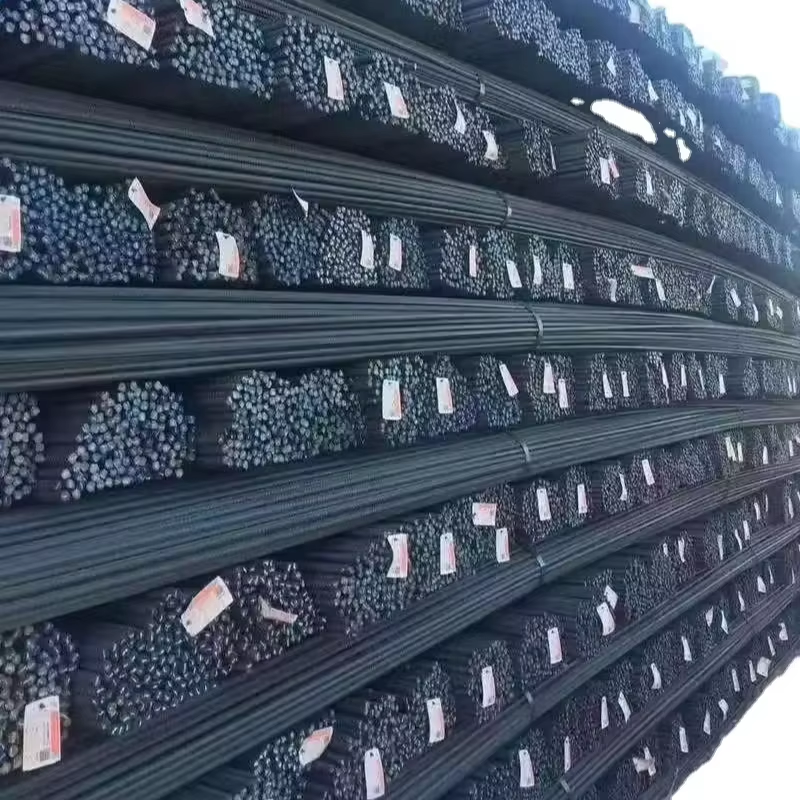
Protection from direct weather exposure through tarps or temporary shelters reduces corrosion risk and prevents accumulation of debris that could compromise concrete bonding. However, coverings must allow air circulation to prevent condensation buildup that creates persistently humid microenvironments more conducive to corrosion than open-air storage. Regular inspection of stored steel rebar enables early detection of deteriorating conditions requiring intervention before material quality becomes unacceptable for use. Documentation of storage conditions and duration provides traceability that supports quality assurance programs and helps identify causes of any performance issues discovered later.
Temperature Effects During Construction
Ambient temperature conditions during construction activities significantly influence concrete curing rates, bond development, and steel rebar thermal expansion behavior. High temperatures accelerate concrete hydration but can cause rapid moisture loss that weakens the steel-concrete interface and reduces ultimate bond strength. Conversely, cold weather slows curing processes and can prevent adequate bond development if concrete temperatures fall below critical thresholds before sufficient strength gain occurs. Steel rebar installed in temperature extremes may experience differential thermal movement relative to surrounding concrete, creating internal stresses that affect long-term performance.
Seasonal temperature variations throughout a structure's service life subject steel rebar to cyclic expansion and contraction that can eventually compromise concrete cover integrity through crack formation. Proper concrete mix design, adequate cover thickness, and appropriate joint spacing accommodate thermal movement without excessive stress development. Construction practices that account for temperature conditions at the time of installation—such as adjusting concrete mix proportions, implementing climate-controlled curing, or scheduling critical pours during moderate temperature periods—optimize conditions for bond development and long-term steel rebar performance.
Installation Practices and Concrete Interaction
Placement Accuracy and Spacing Control
The precise positioning of steel rebar within formwork directly determines its effectiveness in resisting design loads and controlling crack propagation. Deviations from specified locations alter the moment arm for flexural resistance, reduce shear capacity, and change the neutral axis location in reinforced concrete members. Even small positioning errors can significantly compromise structural performance, particularly in heavily loaded elements or those with minimal design margins. Proper use of chairs, bolsters, spacers, and positioning devices maintains steel rebar at specified depths and spacing throughout concrete placement operations.
Inadequate concrete cover—the distance between steel rebar surfaces and the nearest concrete exterior—represents one of the most common installation deficiencies affecting long-term performance. Insufficient cover exposes steel rebar to premature corrosion by reducing the alkaline protection provided by surrounding concrete and allowing easier penetration of moisture, oxygen, and aggressive ions. Excessive cover reduces structural efficiency by decreasing effective depth and can lead to wide crack formation under service loads. Construction teams must employ systematic verification methods including cover meters and physical measurements to ensure compliance with specified tolerances.
Splicing and Connection Integrity
The methods used to join individual steel rebar lengths significantly affect load transfer efficiency and overall structural continuity. Lap splices rely on bond stress transfer over sufficient length to develop the full strength of spliced bars, with required lap lengths depending on concrete strength, bar size, and stress conditions. Inadequate lap lengths or improper bar positioning within overlap zones can create weak points where load transfer fails, compromising structural performance. Mechanical couplers and welded connections offer alternatives that conserve material and reduce congestion but require proper installation techniques and quality verification to ensure performance.
Connection locations should be staggered and positioned in low-stress zones whenever possible to prevent concentration of weak points along critical sections. The percentage of steel rebar spliced at any given location must comply with code limitations that prevent excessive reduction in section capacity. Poor splicing practices including inadequate tie wire securement, misaligned bars, or contaminated splice zones can prevent proper load distribution and lead to premature failure. Regular inspection and testing of splice installations verify compliance with specifications and provide confidence in achieved performance levels.
Concrete Cover Adequacy and Quality
The thickness and quality of concrete surrounding steel rebar creates the primary defense against environmental attack while enabling composite structural action through effective bond. Specified cover dimensions balance corrosion protection requirements against structural efficiency considerations, with greater exposure severity necessitating increased cover. Dense, well-cured concrete with low permeability provides superior protection by restricting the ingress of moisture, oxygen, chlorides, and carbon dioxide that initiate and sustain corrosion processes affecting steel rebar performance.
Proper concrete consolidation through effective vibration eliminates voids adjacent to steel rebar surfaces that would otherwise compromise bond, reduce corrosion protection, and create pathways for aggressive substance penetration. Honeycomb, segregation, or insufficient compaction around reinforcement creates long-term performance vulnerabilities that may not become apparent until significant deterioration has occurred. Construction practices including appropriate concrete mix design, proper placement techniques, adequate vibration without over-working, and suitable curing procedures all contribute to achieving the concrete quality necessary for optimal steel rebar performance throughout the structure's intended service life.
Chemical and Electrochemical Factors
Chloride Ion Penetration and Corrosion
Chloride ions represent the most significant chemical threat to steel rebar performance in concrete structures, capable of initiating corrosion even within the normally protective alkaline environment provided by cement hydration products. Sources of chlorides include de-icing salts, seawater exposure, contaminated aggregates, and certain chemical admixtures. Once chloride concentrations at the steel surface exceed threshold levels—typically between 0.4 and 1.0 kg per cubic meter of concrete depending on conditions—the passive oxide film protecting steel rebar breaks down locally, allowing active corrosion to commence.
The rate of chloride penetration through concrete cover depends on concrete quality, cover thickness, moisture content, and temperature conditions. Dense concrete with low water-cement ratios and supplementary cementitious materials significantly reduces chloride diffusion rates, extending the time before corrosion initiation affects steel rebar performance. Construction practices that ensure adequate cover thickness, thorough consolidation, proper curing, and avoidance of chloride-bearing materials in concrete mixes provide essential defense against this pervasive performance threat. For structures in chloride-rich environments, additional protective measures including corrosion-resistant steel rebar, surface-applied sealers, or cathodic protection systems may be warranted.
Carbonation and Alkalinity Loss
Concrete carbonation—the gradual neutralization of alkaline cement paste by atmospheric carbon dioxide—progressively reduces the pH of concrete from approximately 12.5 toward neutral levels. When the carbonation front reaches steel rebar depth, the high-pH environment that maintains passive corrosion protection disappears, allowing active corrosion to initiate even without chloride presence. Carbonation rates depend on concrete permeability, relative humidity, carbon dioxide concentration, and temperature, with typical penetration rates ranging from 1 to 5 millimeters per year depending on concrete quality.
High-quality concrete with low permeability substantially reduces carbonation rates, extending the period before steel rebar corrosion begins. Adequate cover thickness provides time buffer between carbonation reaching the concrete surface and affecting reinforcement, while proper curing ensures achievement of intended concrete density and pore structure. The combination of appropriate mix design, sufficient cover, thorough consolidation, and effective curing creates defense-in-depth against carbonation-induced corrosion that preserves steel rebar performance over extended service periods. Periodic testing of carbonation depth through pH indicator solutions enables condition assessment and informs maintenance decisions for aging structures.
Stray Current and Galvanic Effects
Electrical stray currents from sources including welding operations, lightning protection systems, or nearby electrical infrastructure can accelerate steel rebar corrosion through imposed electrochemical reactions. Current flow through concrete and steel rebar creates anodic zones where metal dissolution occurs at rates proportional to current density, potentially causing severe localized corrosion that compromises structural performance. Construction sites with active welding should employ proper grounding practices that prevent current flow through structural steel rebar, particularly in elements already containing moisture or aggressive ions.
Galvanic corrosion occurs when dissimilar metals in electrical contact within concrete experience different electrochemical potentials, creating corrosion cells that attack the more reactive material. Steel rebar in contact with aluminum conduits, copper grounding systems, or stainless steel elements may experience accelerated corrosion at connection points. While concrete's high electrical resistance normally limits galvanic current flow, conditions including high moisture content, chloride contamination, or carbonation can enable significant galvanic effects. Design and construction practices that isolate dissimilar metals, minimize stray current pathways, and maintain concrete quality preserve steel rebar performance by controlling electrochemical corrosion mechanisms.
Load Conditions and Structural Demands
Service Load Magnitude and Cycling
The actual loads experienced by structures during service directly determine stress levels in steel rebar and influence performance through fatigue mechanisms, crack development, and long-term deformation behavior. Design calculations establish theoretical load scenarios, but actual conditions may differ due to usage patterns, environmental loads, or unforeseen loading events. Steel rebar performance remains adequate only when actual stresses remain within limits established by design assumptions and material capabilities. Overloading—whether from increased dead loads, unexpected live loads, or reduced capacity due to deterioration—can compromise structural integrity and accelerate performance degradation.
Cyclic loading from repeated traffic, machinery operation, wind buffeting, or thermal expansion subjects steel rebar to fatigue conditions that can initiate cracking at stress levels well below static strength limits. The number of load cycles, stress range, and presence of stress concentrations all influence fatigue life. Proper detailing that avoids sharp bends, provides adequate anchorage, and minimizes stress concentrations enhances steel rebar fatigue resistance. Construction quality directly affects fatigue performance through its influence on bond conditions, load distribution uniformity, and presence of defects that could serve as crack initiation sites during cyclic loading.
Dynamic Loading and Impact Resistance
Structures subjected to dynamic or impact loading require steel rebar with sufficient ductility and energy absorption capacity to prevent brittle failure modes. The strain rate sensitivity of steel affects its strength and deformation characteristics under rapid loading, with yield strength typically increasing but ductility potentially decreasing at high strain rates. Design specifications for impact-resistant structures must account for these effects while construction practices ensure achievement of specified material properties and installation quality that enables intended performance.
Steel rebar performance under impact conditions depends critically on proper anchorage, adequate development length, and effective confinement by surrounding concrete and transverse reinforcement. Construction deficiencies including insufficient embedment, poor concrete quality, or inadequate stirrup placement can transform ductile failure modes into brittle fractures with reduced energy absorption. Quality control during construction that verifies conformance with impact-resistant design details ensures that installed steel rebar systems can perform as intended when subjected to accidental impacts, blast loads, or seismic events requiring energy dissipation capacity.
Seismic Performance Requirements
Earthquake-resistant structures depend on steel rebar ductility to dissipate seismic energy through controlled plastic deformation while maintaining load-carrying capacity. The yield strength, ultimate strength, and elongation characteristics of steel rebar directly determine available ductility and energy absorption potential. High-strength steel rebar grades may offer economical designs for gravity loads but can reduce seismic performance if ductility characteristics become inadequate for expected inelastic deformation demands. Material selection for seismic applications must balance strength and ductility requirements based on anticipated performance levels.
Construction quality profoundly affects seismic performance through its influence on connection integrity, confinement effectiveness, and load path continuity. Improperly detailed splices, inadequate transverse reinforcement, or poor concrete consolidation in plastic hinge zones can prevent achievement of intended ductility levels and energy dissipation capacity. Steel rebar bending practices must avoid damage including cracking or local weakening that would reduce ductility and compromise seismic performance. Systematic inspection and testing programs during construction verify that installed reinforcement systems meet the stringent quality standards necessary for reliable seismic performance.
FAQ
How does storage duration before installation affect steel rebar performance?
Extended storage periods expose steel rebar to atmospheric corrosion that can degrade surface condition and affect bonding with concrete. Light surface rust that develops during short-term storage may actually enhance bond through increased surface roughness, but heavy oxidation creates loose scale that weakens the steel-concrete interface. Storage duration should be minimized through effective construction scheduling, and materials stored for extended periods in humid or aggressive environments should be inspected for excessive corrosion before use. Proper storage practices including elevation above ground, protection from standing water, and covering without creating condensation-prone environments help preserve material quality regardless of storage duration.
What concrete cover thickness is necessary to protect steel rebar from corrosion?
Required concrete cover thickness depends on exposure conditions, concrete quality, and intended service life, with typical values ranging from 20 millimeters for mild indoor environments to 75 millimeters or more for severe marine exposure. Building codes specify minimum cover requirements based on exposure classifications that account for humidity, chloride presence, and carbonation risk. Adequate cover provides both physical barrier thickness against aggressive substance penetration and alkaline environment depth that delays corrosion initiation. However, cover thickness alone cannot ensure performance—concrete quality, consolidation, and curing practices must achieve low permeability that restricts moisture and contaminant movement toward steel rebar surfaces regardless of cover dimension.
Can welding be safely performed on structural steel rebar without affecting performance?
Welding steel rebar requires careful attention to material grade, welding procedures, and structural implications to avoid performance degradation. Many common steel rebar grades contain carbon levels and alloy compositions that make them difficult to weld without creating brittle heat-affected zones susceptible to cracking. Weldable grades are specifically formulated with controlled chemistry that enables successful welding using appropriate procedures and qualified welders. Even with suitable materials, welding can affect steel rebar performance by altering microstructure, creating residual stresses, and potentially reducing ductility. Design specifications should explicitly indicate whether welding is permitted, and all welding activities must follow approved procedures with proper quality verification to ensure that steel rebar performance meets structural requirements.
How do temperature variations during concrete placement affect steel rebar bonding?
Temperature conditions during concrete placement and curing significantly influence bond strength development between steel rebar and concrete through their effects on hydration rate, moisture retention, and thermal stress generation. Hot weather accelerates initial setting but can cause rapid surface drying that weakens the interfacial transition zone around reinforcement, reducing ultimate bond strength. Cold weather slows hydration and may prevent adequate bond development if concrete temperatures fall too low before sufficient strength gain occurs. Extreme temperature differentials between steel rebar and fresh concrete can cause thermal shock or create internal stresses affecting bond quality. Optimal conditions exist within moderate temperature ranges where hydration proceeds at controlled rates with adequate moisture retention, allowing formation of strong, durable bonds that ensure effective composite action and long-term steel rebar performance.
Table of Contents
- Material Quality and Specifications
- Environmental and Storage Conditions
- Installation Practices and Concrete Interaction
- Chemical and Electrochemical Factors
- Load Conditions and Structural Demands
-
FAQ
- How does storage duration before installation affect steel rebar performance?
- What concrete cover thickness is necessary to protect steel rebar from corrosion?
- Can welding be safely performed on structural steel rebar without affecting performance?
- How do temperature variations during concrete placement affect steel rebar bonding?

