
 EN
EN
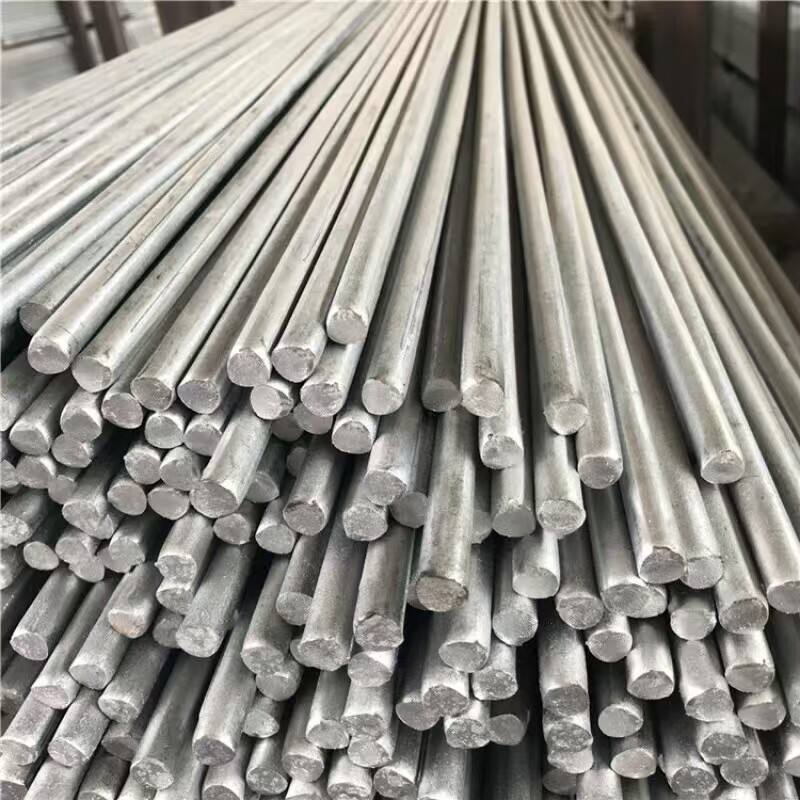
The performance and longevity of galvanized steel products depend heavily on the thickness of the protective zinc coating applied during the manufacturing process. Understanding galvanized steel coating thickness requirements is crucial for engineers, manufacturers, and procurement professionals who need to select materials that will deliver optimal corrosion resistance and structural integrity. The zinc coating serves as a sacrificial barrier that protects the underlying steel from environmental factors, making coating thickness a critical specification that directly impacts product lifespan and cost-effectiveness.
Industrial applications require precise control of galvanized steel coating thickness to ensure adequate protection against corrosion while maintaining material properties and dimensional tolerances. The coating thickness varies based on the intended application, environmental conditions, and specific industry standards. Manufacturing processes such as hot-dip galvanizing, electrogalvanizing, and continuous galvanizing each produce different coating thickness ranges, with hot-dip galvanizing typically providing the thickest and most durable protective layers.
Fundamentals of Zinc Coating Measurement
Standard Measurement Techniques
Measuring galvanized steel coating thickness requires specialized equipment and standardized procedures to ensure accuracy and consistency across different production batches. Magnetic induction gauges represent the most common method for non-destructive coating thickness measurement, providing instant readings without damaging the protective zinc layer. These instruments work by measuring the magnetic field strength between a probe and the steel substrate, with thicker coatings producing measurably different magnetic responses.
Eddy current testing offers an alternative measurement approach particularly useful for thin coatings and precise applications. This technique generates electromagnetic fields that interact with the conductive zinc coating, producing signals that correlate directly with coating thickness. Cross-sectional microscopy provides the most accurate measurement method, though it requires sample preparation and is considered destructive testing, making it suitable primarily for quality control verification rather than production monitoring.
Industry Standards and Specifications
International standards organizations have established comprehensive guidelines for galvanized steel coating thickness requirements across various applications. ASTM A653 specifies coating weight requirements for hot-dip galvanized steel sheets, with designations ranging from G30 to G185, where higher numbers indicate heavier coating weights and correspondingly greater thickness. These specifications ensure consistent quality and performance characteristics across different manufacturers and geographic regions.
European EN 10346 standards provide parallel specifications for continuously hot-dip coated steel flat products, establishing minimum coating mass requirements that translate to specific thickness ranges. The galvanized steel coating thickness specified in these standards reflects extensive testing and field performance data, ensuring that materials meet durability requirements for their intended service environments. Understanding these standards helps procurement professionals specify appropriate coating requirements for their specific applications.
Factors Affecting Coating Performance
Environmental Exposure Considerations
The required galvanized steel coating thickness varies significantly based on the environmental conditions the material will encounter during its service life. Marine environments with high salt content demand thicker coatings to provide adequate protection against accelerated corrosion, while indoor applications in controlled atmospheres may require minimal coating thickness. Temperature fluctuations, humidity levels, and exposure to industrial chemicals all influence the rate at which zinc coatings deteriorate.
Urban and industrial environments present unique challenges due to air pollution, acid rain, and chemical contaminants that can accelerate coating degradation. The galvanized steel coating thickness must account for these aggressive conditions by providing sufficient zinc material to maintain protection throughout the expected service life. Rural environments typically require less coating thickness due to lower pollution levels and reduced chemical exposure, though considerations for seasonal weather patterns remain important.
Substrate Preparation Impact
The condition and preparation of the steel substrate significantly influence both the achievable galvanized steel coating thickness and its adhesion characteristics. Surface cleanliness, roughness profile, and chemical composition of the base steel all affect how effectively the zinc coating bonds and develops during the galvanizing process. Proper surface preparation through pickling, cleaning, and fluxing ensures uniform coating distribution and optimal thickness consistency.
Steel chemistry, particularly silicon and phosphorus content, dramatically affects coating formation and final thickness during hot-dip galvanizing. Reactive steel compositions can produce coating thickness that exceeds standard specifications, while low-reactivity steels may require process modifications to achieve target coating weights. Understanding these interactions helps manufacturers predict and control galvanized steel coating thickness for consistent product quality.
Application-Specific Coating Requirements
Construction and Structural Applications
Structural steel applications require specific galvanized steel coating thickness ranges to ensure adequate corrosion protection throughout the design life of buildings and infrastructure. Building codes and engineering specifications typically reference ASTM or equivalent standards to define minimum coating requirements based on exposure conditions and expected service life. Heavy structural members may require heavier coating designations, while lighter gauge materials used in non-critical applications can utilize thinner coatings.
Roofing and siding applications demand careful consideration of galvanized steel coating thickness to balance corrosion protection with material workability and cost considerations. The coating must withstand weathering, thermal cycling, and potential mechanical damage during installation and service. Thickness specifications for these applications reflect field performance data collected over decades of use in various climatic conditions.
Automotive and Transportation Uses
The automotive industry has developed specialized requirements for galvanized steel coating thickness that address the unique challenges of vehicle manufacturing and operation. Body panels require coatings that provide corrosion protection while maintaining formability for complex stampings and deep draws. The galvanized steel coating thickness must be sufficient to protect against road salt, moisture, and stone chip damage without interfering with welding operations or paint adhesion.
Transportation infrastructure applications, including guardrails, signage, and bridge components, require heavier coating thickness to ensure long-term durability under severe service conditions. These applications often specify coating weights significantly higher than building construction due to exposure to de-icing chemicals, exhaust fumes, and mechanical impact from traffic-related activities.
Quality Control and Testing Methods
Production Monitoring Systems
Modern galvanizing operations employ continuous monitoring systems to track and control galvanized steel coating thickness throughout the production process. Online gauging systems use magnetic or eddy current sensors to measure coating thickness in real-time, allowing immediate process adjustments to maintain target specifications. These systems generate statistical process control data that helps identify trends and potential quality issues before they result in non-conforming products.
Batch testing protocols complement continuous monitoring by providing detailed verification of coating thickness uniformity and adherence to specifications. Sample selection procedures ensure representative testing across production lots, with documented results that support material certifications and customer quality requirements. The frequency and extent of testing depend on product specifications, customer requirements, and internal quality management systems.
Performance Validation Methods
Long-term performance validation of galvanized steel coating thickness requires accelerated testing methods that simulate years of environmental exposure in compressed timeframes. Salt spray testing per ASTM B117 provides standardized corrosion evaluation, though results must be interpreted carefully since laboratory conditions may not perfectly replicate field exposure. Cyclic corrosion testing offers more realistic simulation of real-world conditions through programmed cycles of salt spray, humidity, and drying.
Field exposure testing provides the most reliable data for validating galvanized steel coating thickness performance, though results require years to develop meaningful trends. Test panels exposed at various geographic locations help establish regional performance characteristics and validate laboratory testing correlations. This data supports engineering decisions about appropriate coating specifications for specific applications and environments.
Economic Considerations and Optimization
Cost-Benefit Analysis
Determining optimal galvanized steel coating thickness requires careful analysis of initial material costs versus long-term maintenance and replacement expenses. Thicker coatings command higher initial prices but provide extended service life that can result in lower total cost of ownership for many applications. The economic analysis must consider not only material costs but also installation expenses, maintenance access challenges, and business disruption costs associated with premature replacement.
Life cycle cost modeling helps quantify the economic benefits of specifying appropriate galvanized steel coating thickness for specific applications. These models incorporate coating cost premiums, expected service life extensions, maintenance cost reductions, and replacement timing to identify the most cost-effective coating specification. Regional variations in labor costs, material availability, and environmental conditions all influence the optimal economic balance point.
Supply Chain Considerations
Material availability and lead times often influence galvanized steel coating thickness selection, particularly for specialized applications requiring non-standard coating weights. Standard coating designations enjoy broader availability and shorter delivery schedules, while custom specifications may require extended lead times and minimum order quantities. Supply chain planning must balance performance requirements with availability constraints to ensure project schedule compliance.
Quality consistency across different suppliers becomes increasingly important when specifying precise galvanized steel coating thickness requirements. Supplier qualification procedures should verify coating thickness capability, measurement accuracy, and statistical process control implementation. Long-term supplier relationships facilitate consistent quality and may enable preferential access to specialized coating specifications when market conditions tighten.
FAQ
What is the minimum recommended galvanized steel coating thickness for outdoor applications
The minimum recommended galvanized steel coating thickness for outdoor applications typically ranges from 45 to 85 micrometers depending on environmental conditions and expected service life. For mild outdoor environments with minimal pollution and moderate humidity, coatings in the G60 designation range (approximately 45-55 micrometers) provide adequate protection for 15-20 years. More aggressive outdoor environments, including coastal areas or industrial zones, require thicker coatings in the G90 to G185 range to ensure comparable service life.
How does galvanized steel coating thickness affect welding operations
Galvanized steel coating thickness significantly impacts welding operations by affecting heat input requirements, fume generation, and joint quality. Thicker coatings require higher heat input to burn through the zinc layer and achieve proper fusion with the base steel, which can increase distortion and heat-affected zone size. Excessive coating thickness may also produce more welding fumes containing zinc oxide, requiring enhanced ventilation systems and personal protective equipment. Optimal welding results typically occur with coating thickness below 100 micrometers, though proper techniques can accommodate heavier coatings when necessary.
Can galvanized steel coating thickness be increased after manufacturing
Galvanized steel coating thickness cannot be practically increased after the initial manufacturing process without complete re-galvanizing, which involves stripping the existing coating and reprocessing the material through the galvanizing line. However, zinc-rich repair coatings can be applied to damaged areas to restore local protection, though these repairs will not match the thickness or durability of the original hot-dip galvanized coating. For applications requiring heavier coating thickness, proper specification during initial manufacturing is essential.
What testing frequency is recommended for galvanized steel coating thickness verification
Testing frequency for galvanized steel coating thickness verification depends on application criticality, production volume, and quality management requirements. High-volume production typically employs continuous online monitoring supplemented by periodic destructive testing for calibration verification. Batch production may use sampling plans based on statistical principles, with testing frequency ranging from every coil or lot to representative sampling of larger production runs. Critical applications may require 100% inspection, while routine applications can utilize reduced sampling with demonstrated process control.
Table of Contents
- Fundamentals of Zinc Coating Measurement
- Factors Affecting Coating Performance
- Application-Specific Coating Requirements
- Quality Control and Testing Methods
- Economic Considerations and Optimization
-
FAQ
- What is the minimum recommended galvanized steel coating thickness for outdoor applications
- How does galvanized steel coating thickness affect welding operations
- Can galvanized steel coating thickness be increased after manufacturing
- What testing frequency is recommended for galvanized steel coating thickness verification

