
 EN
EN
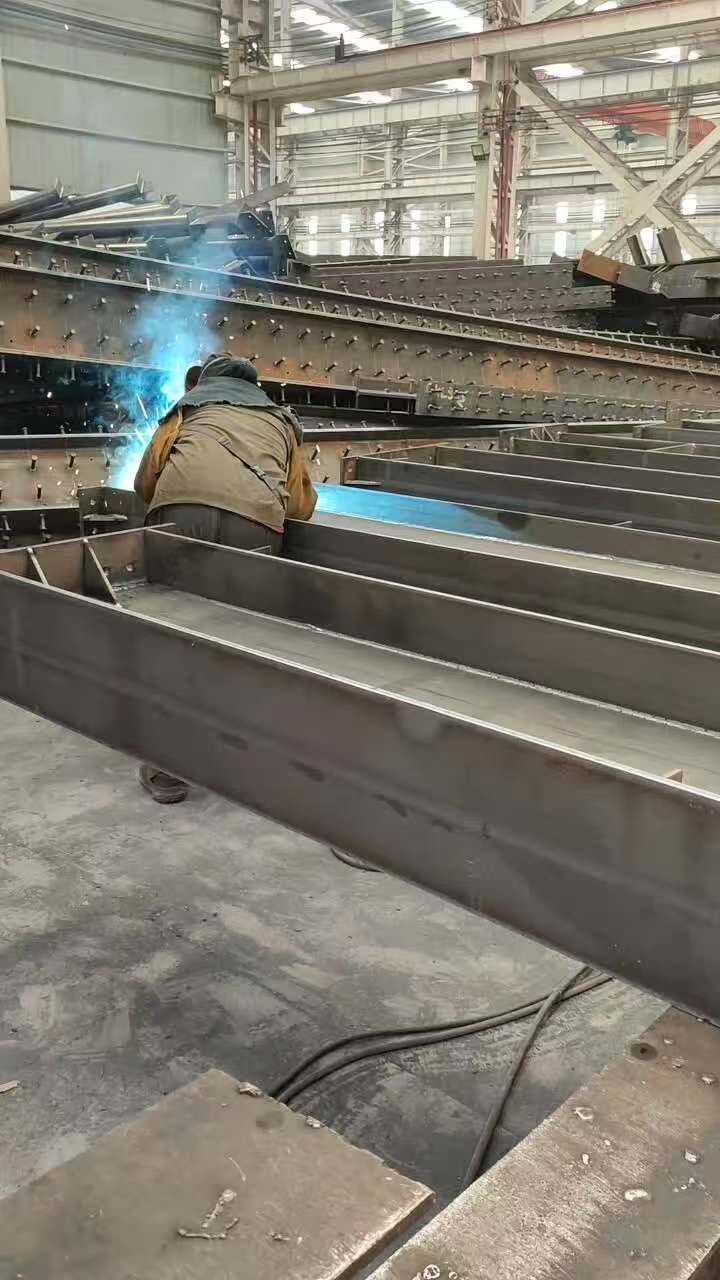
Steel manufacturing factories serve as the backbone of modern industrial economies, transforming raw materials into essential components that power infrastructure, construction, and countless manufacturing sectors. These industrial powerhouses create ripple effects throughout local and global economies, generating employment opportunities, fostering technological innovation, and establishing supply chains that support diverse industries. The economic impact of steel manufacturing factories extends far beyond their immediate operations, influencing regional development patterns and contributing significantly to national GDP growth across developing and developed nations alike.
Economic Multiplier Effects of Steel Production
Direct Employment Generation
Steel manufacturing factories create substantial direct employment opportunities across multiple skill levels, from entry-level production workers to highly specialized engineers and metallurgists. These facilities typically employ hundreds or thousands of workers, providing stable, well-paying jobs that support entire communities. The manufacturing process requires diverse expertise including equipment operators, quality control specialists, maintenance technicians, and administrative personnel. Modern steel manufacturing factories also demand skilled professionals in automation, environmental compliance, and logistics management, creating career advancement pathways for workers.
Beyond immediate job creation, these industrial facilities often become anchor employers in their regions, attracting workers from surrounding areas and stimulating local population growth. The presence of steel manufacturing factories encourages workforce development programs, technical training initiatives, and partnerships with educational institutions. This creates a skilled labor pool that benefits not only the steel industry but also supports related manufacturing sectors that rely on metalworking expertise.
Indirect Economic Stimulation
The indirect economic benefits generated by steel manufacturing factories often exceed their direct contributions through complex supply chain relationships. These facilities require extensive support services including transportation, maintenance, raw material suppliers, and specialized equipment manufacturers. Local businesses benefit from increased demand for construction services, catering, security, and professional services. The purchasing power of steel workers stimulates retail sectors, housing markets, and service industries throughout the surrounding region.
Steel manufacturing factories also create downstream opportunities for value-added processing facilities that further transform steel products into finished goods. Fabrication shops, construction companies, and machinery manufacturers often locate near major steel production centers to minimize transportation costs and ensure reliable supply chains. This clustering effect amplifies the economic impact and creates industrial ecosystems that support regional economic diversification.
Infrastructure Development and Industrial Growth
Transportation Networks
The establishment of steel manufacturing factories drives significant infrastructure investments that benefit entire regions. These facilities require robust transportation networks including rail connections, port facilities, and highway systems to handle the massive volumes of raw materials and finished products. Governments and private investors typically upgrade transportation infrastructure to support steel operations, creating assets that serve multiple industries and improve regional connectivity.
Modern steel manufacturing factories often catalyze the development of specialized logistics hubs and intermodal transportation facilities. These investments reduce transportation costs for all businesses in the region and improve access to national and international markets. The infrastructure improvements extend beyond industrial needs to benefit residential communities through improved road networks, enhanced utility systems, and better telecommunications infrastructure.
Utility and Energy Systems
Steel production requires substantial energy and utility infrastructure, prompting investments in power generation, natural gas distribution, and water treatment systems. Steel manufacturing factories often drive the development of cogeneration facilities, renewable energy projects, and grid modernization initiatives that benefit entire regions. These infrastructure improvements support industrial expansion and enhance the reliability of utility services for residential and commercial users.
The energy intensity of steel production has led many facilities to invest in advanced energy management systems and efficiency technologies. These innovations often spillover to other industries and contribute to broader technological advancement in energy systems. Steel manufacturing factories frequently partner with utility companies to develop innovative power purchasing agreements and demand response programs that optimize regional energy costs.
Innovation and Technology Transfer
Research and Development Initiatives
Steel manufacturing factories serve as catalysts for technological innovation, investing heavily in research and development to improve production efficiency, product quality, and environmental performance. These facilities often establish partnerships with universities, research institutions, and technology companies to develop advanced manufacturing processes, materials science applications, and automation systems. The innovation generated within steel manufacturing factories frequently transfers to other industries and contributes to broader technological advancement.
Modern steel production incorporates cutting-edge technologies including artificial intelligence, robotics, and advanced process control systems. Steel manufacturing factories become testing grounds for industrial innovations that subsequently benefit other manufacturing sectors. The concentration of technical expertise and capital investment in these facilities creates innovation clusters that attract additional research-intensive businesses and high-technology industries.
Skills Development and Knowledge Transfer
The complex operations of steel manufacturing factories require continuous workforce development and skills training programs that benefit entire regions. These facilities often partner with educational institutions to develop specialized curricula, apprenticeship programs, and continuing education opportunities. The technical knowledge and manufacturing expertise concentrated in steel manufacturing factories creates a skilled workforce that supports industrial diversification and economic development.
Knowledge transfer from steel manufacturing factories extends beyond immediate workforce development to influence broader industrial practices. Process improvements, quality management systems, and safety protocols developed in steel facilities often become industry standards that benefit multiple sectors. The operational excellence and continuous improvement culture fostered by steel manufacturing factories influences management practices throughout regional industrial ecosystems.
Regional Development and Urban Planning
Industrial Clustering and Agglomeration
Steel manufacturing factories often anchor industrial clusters that attract related businesses and create synergistic economic relationships. These clusters develop around shared infrastructure, specialized labor pools, and supply chain efficiencies. The presence of major steel manufacturing factories signals industrial viability to other manufacturers and encourages additional capital investment in the region. This agglomeration effect multiplies economic benefits and creates resilient industrial ecosystems.
The clustering of steel manufacturing factories and related industries creates opportunities for resource sharing, waste utilization, and circular economy initiatives. Facilities can share utilities, transportation systems, and specialized services while reducing environmental impacts through integrated waste management and energy systems. These industrial symbioses enhance economic efficiency and environmental sustainability while strengthening regional competitive advantages.
Community Development and Urban Growth
The economic activity generated by steel manufacturing factories supports community development through increased tax revenues, infrastructure investments, and population growth. Local governments benefit from expanded tax bases that fund public services, schools, and community amenities. The stable employment provided by steel manufacturing factories supports residential development, retail expansion, and service sector growth that improves quality of life for entire communities.
Steel manufacturing factories often become civic partners that contribute to community development through corporate social responsibility programs, educational partnerships, and infrastructure investments. These facilities frequently support local development initiatives, sponsor community events, and provide technical expertise for regional planning efforts. The long-term presence of steel manufacturing factories creates stable foundations for sustainable community growth and development.
Export Markets and Trade Balance
International Competitiveness
Steel manufacturing factories contribute significantly to national export capabilities and international trade balance by producing high-value products for global markets. These facilities enable countries to capture greater value from raw material resources while developing manufacturing capabilities that support export diversification. The presence of competitive steel manufacturing factories reduces dependence on imported steel products and creates opportunities for value-added exports to international customers.
Modern steel manufacturing factories compete in global markets by focusing on product quality, technical specifications, and customer service capabilities. These facilities often develop specialized products for niche applications including automotive, construction, and machinery manufacturing sectors. The export success of steel manufacturing factories demonstrates industrial capability and attracts additional foreign investment in related manufacturing sectors.
Supply Chain Integration
Steel manufacturing factories create opportunities for vertical and horizontal supply chain integration that strengthens industrial ecosystems and improves economic resilience. These facilities can integrate backward into raw material processing or forward into value-added manufacturing while maintaining competitive advantages through operational synergies. The supply chain integration capabilities of steel manufacturing factories support industrial policy objectives and economic development strategies.
The global reach of steel manufacturing factories creates international business relationships that facilitate technology transfer, market access, and investment opportunities. These facilities often serve as entry points for foreign direct investment and international partnerships that benefit broader regional economies. Steel manufacturing factories demonstrate industrial capability to international investors and create platforms for expanding manufacturing sectors.
FAQ
How do steel manufacturing factories impact local employment levels
Steel manufacturing factories create substantial direct employment while generating indirect job opportunities through supply chain relationships and increased economic activity. These facilities typically employ thousands of workers across various skill levels and stimulate additional employment in transportation, maintenance, and support services. The stable, well-paying jobs provided by steel manufacturing factories support local consumer spending and business development throughout surrounding communities.
What infrastructure investments result from steel factory development
Steel manufacturing factories drive significant infrastructure investments including transportation networks, utility systems, and industrial facilities that benefit entire regions. These investments often include rail connections, port facilities, power generation systems, and water treatment infrastructure. The infrastructure improvements extend beyond immediate industrial needs to support residential and commercial development while improving regional connectivity and competitiveness.
How do steel factories contribute to technological innovation
Steel manufacturing factories serve as innovation centers that develop advanced manufacturing technologies, process improvements, and materials science applications. These facilities invest heavily in research and development while partnering with universities and technology companies to advance industrial capabilities. The innovations developed in steel manufacturing factories often transfer to other industries and contribute to broader technological advancement and economic development.
What role do steel factories play in export markets
Steel manufacturing factories enhance national export capabilities by producing high-value products for international markets while reducing dependence on imported materials. These facilities compete globally through product quality, technical expertise, and supply chain efficiency. The export success of steel manufacturing factories demonstrates industrial capability, attracts foreign investment, and contributes positively to national trade balances and economic growth.

