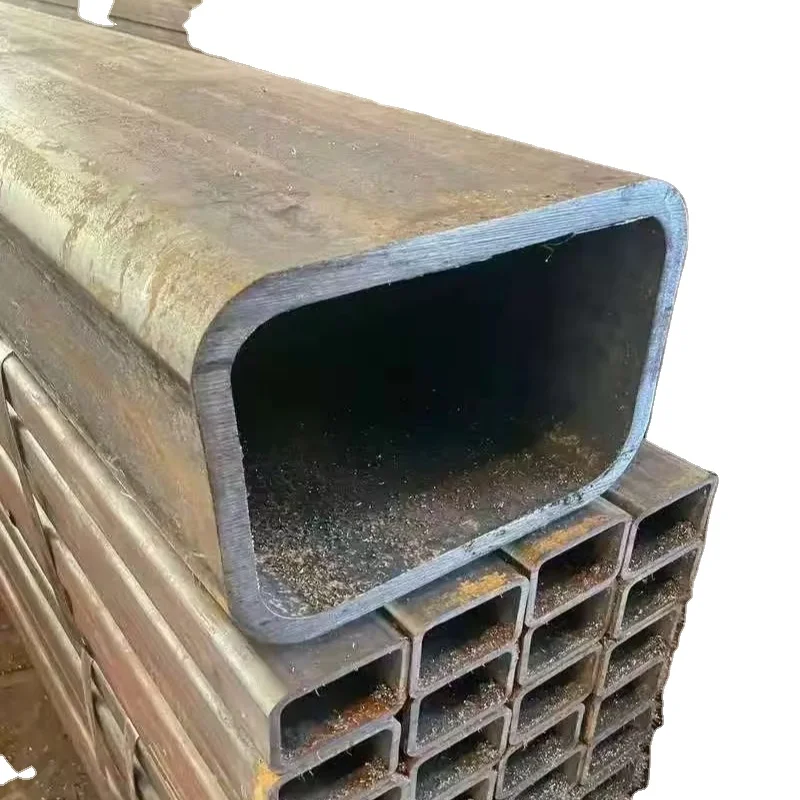
Steel Angle Unequal: Versatile Structural Solutions for Optimal Load Distribution and Design Flexibility

All Categories

steel angle unequal

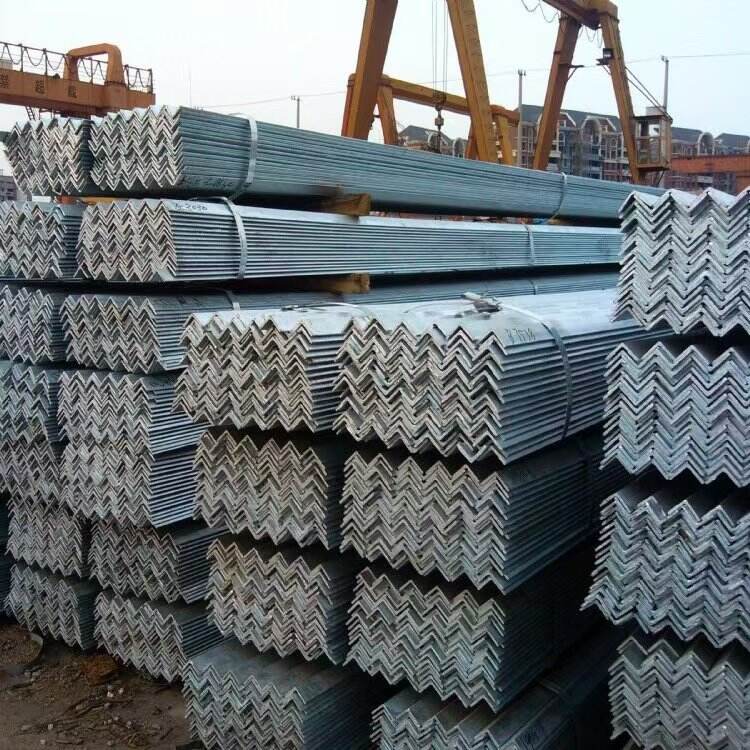
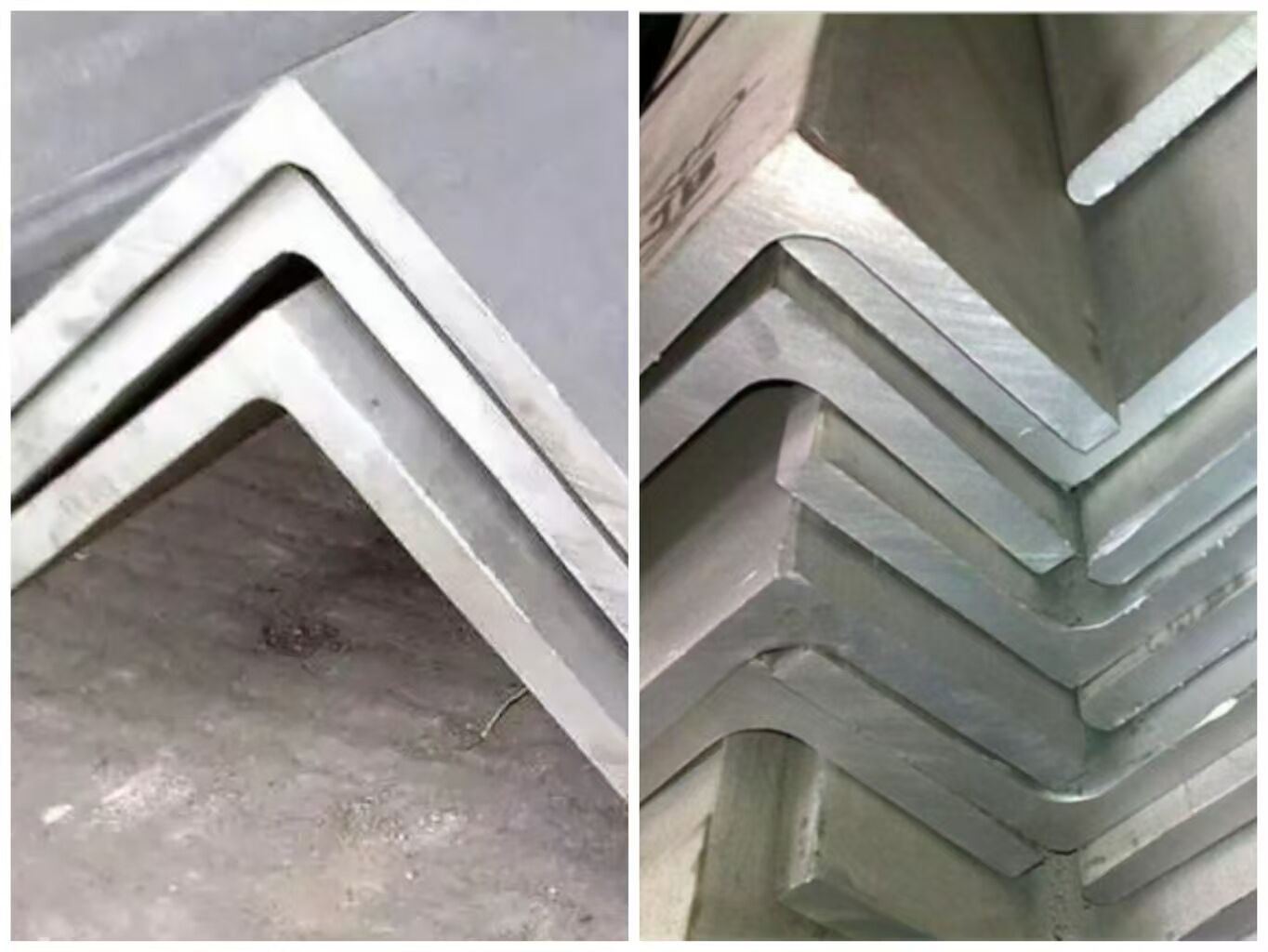
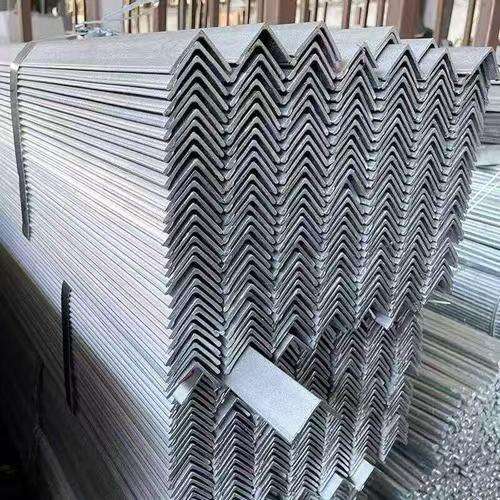
Steel angle unequal is a versatile structural element characterized by its L-shaped cross-section with legs of different lengths. This distinctive profile, manufactured through hot rolling processes, offers exceptional strength and stability for various construction and engineering applications. The unequal configuration provides unique advantages in situations where different load-bearing requirements exist along perpendicular axes. These sections are produced to precise specifications, with leg lengths typically ranging from 50mm to 200mm and thicknesses from 3mm to 25mm. The manufacturing process ensures consistent quality and dimensional accuracy, making them ideal for both structural and non-structural applications. Steel angle unequal sections are widely used in building frameworks, support structures, bracing systems, and industrial equipment manufacturing. They excel in applications requiring different load capacities in vertical and horizontal orientations, such as brackets, frames, and support members. The material composition typically includes high-grade structural steel, ensuring optimal strength-to-weight ratios and excellent durability. These sections are often available in various steel grades and finishes, including hot-dip galvanized and powder-coated options, providing enhanced corrosion resistance and longevity.
New Product Recommendations

Steel angle unequal sections offer numerous compelling advantages that make them indispensable in modern construction and engineering projects. Their asymmetrical design provides optimal material distribution, allowing engineers to precisely match structural requirements while minimizing material usage. This efficiency translates into cost savings without compromising strength or stability. The unequal leg lengths offer greater flexibility in design and installation, particularly in situations where space constraints or specific load-bearing requirements exist. These sections excel in applications requiring different support capacities in perpendicular directions, making them ideal for complex structural solutions. The manufacturing process ensures consistent quality and dimensional accuracy, facilitating easier installation and reducing on-site modifications. Their versatility extends to various connection methods, including welding, bolting, and riveting, simplifying integration with other structural elements. The durability of steel angle unequal sections is remarkable, with excellent resistance to mechanical stress and environmental factors when properly treated. They maintain their structural integrity over extended periods, reducing maintenance requirements and lifecycle costs. The availability of various sizes and thicknesses allows for precise specification matching, optimizing material usage and project costs. Additionally, these sections can be easily modified on-site if needed, offering flexibility during installation and modifications. Their standardized production ensures widespread availability and compatibility with common construction practices and building codes.

Practical Tips

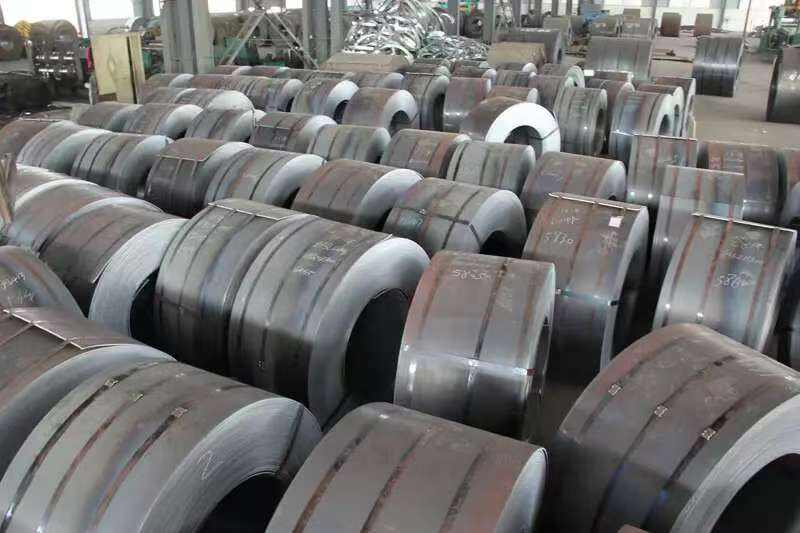
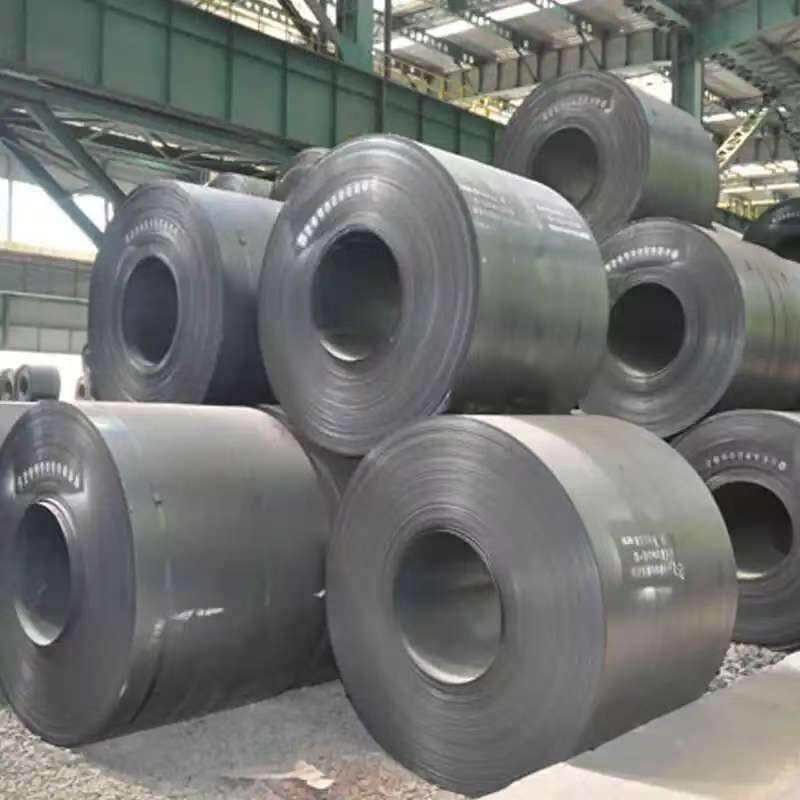
How to Choose the Right Hot Rolled Coil for Your Project?

28

Jul

How to Choose the Right Hot Rolled Coil for Your Project?

View More
What Are the Key Benefits of Using Hot Rolled Coil?

28

Jul

What Are the Key Benefits of Using Hot Rolled Coil?

View More
Why Choose Galvanized Pipe for Outdoor Plumbing Systems?

28

Jul

Why Choose Galvanized Pipe for Outdoor Plumbing Systems?

View More
What Are the Best Uses for Galvanized Pipe in Modern Construction?

28

Jul

What Are the Best Uses for Galvanized Pipe in Modern Construction?

View More

Get a Free Quote

Our representative will contact you soon.
Email
Name
Company Name
Message
0/1000

steel angle unequal

Superior Load Distribution Capabilities

Superior Load Distribution Capabilities

Steel angle unequal sections excel in their ability to handle varying load requirements along different axes. The unequal leg lengths enable optimal distribution of forces, making them particularly effective in applications where loads are not uniformly distributed. This characteristic is crucial in structural engineering, where different support requirements exist in vertical and horizontal directions. The longer leg typically bears greater loads, while the shorter leg provides stability and secondary support. This design allows engineers to create more efficient structures by placing material exactly where it's needed most. The flexibility in load distribution makes these sections ideal for complex architectural designs and challenging structural requirements. Furthermore, the ability to precisely match load-bearing needs with material placement results in more economical designs and reduced material waste.
Enhanced Design Flexibility and Adaptability

Enhanced Design Flexibility and Adaptability

The asymmetrical nature of steel angle unequal sections provides unprecedented design flexibility for architects and engineers. Their unique configuration allows for creative solutions in space-constrained environments where standard equal angles might not be suitable. The different leg lengths offer multiple orientation options, enabling optimal positioning for specific applications. This adaptability extends to various connection methods and mounting configurations, making them versatile in different construction scenarios. The sections can be easily modified to accommodate different attachment points and support requirements, providing solutions for complex geometric designs. Their compatibility with various finishing methods, including galvanizing and painting, adds to their adaptability in different environmental conditions.
Cost-Effective Structural Solution

Cost-Effective Structural Solution

Steel angle unequal sections represent a highly cost-effective solution in structural engineering. Their efficient material distribution reduces overall weight while maintaining required strength parameters, leading to significant cost savings in material usage. The standardized manufacturing process ensures consistent quality and reduces production costs, making them economically viable for large-scale projects. Their ease of installation reduces labor costs and project timelines, contributing to overall project efficiency. The durability and low maintenance requirements of these sections result in reduced lifecycle costs compared to alternative solutions. Additionally, their widespread availability and standardization help maintain competitive pricing and ensure ready supply for projects of any scale.

Get a Free Quote

Our representative will contact you soon.
Email
Name
Company Name
Message
0/1000

Get a Free Quote

Our representative will contact you soon.
Email
Name
Company Name
Message
0/1000
email goToTop