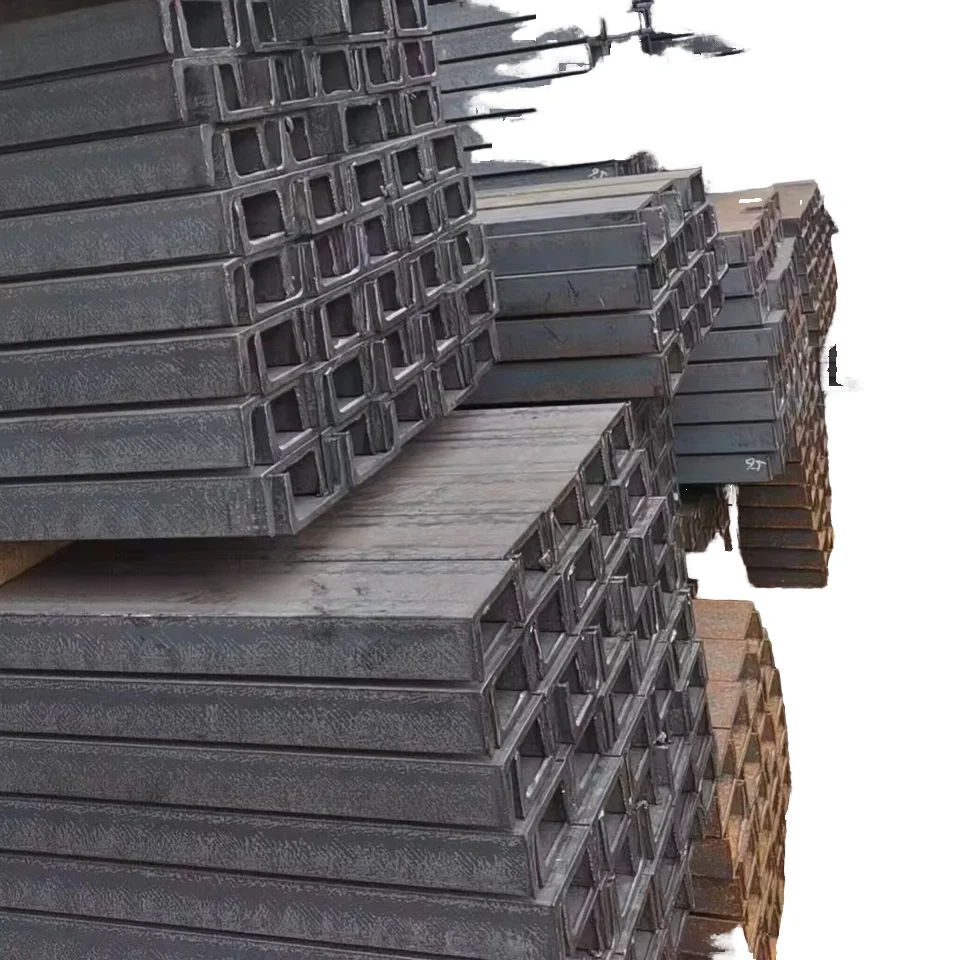
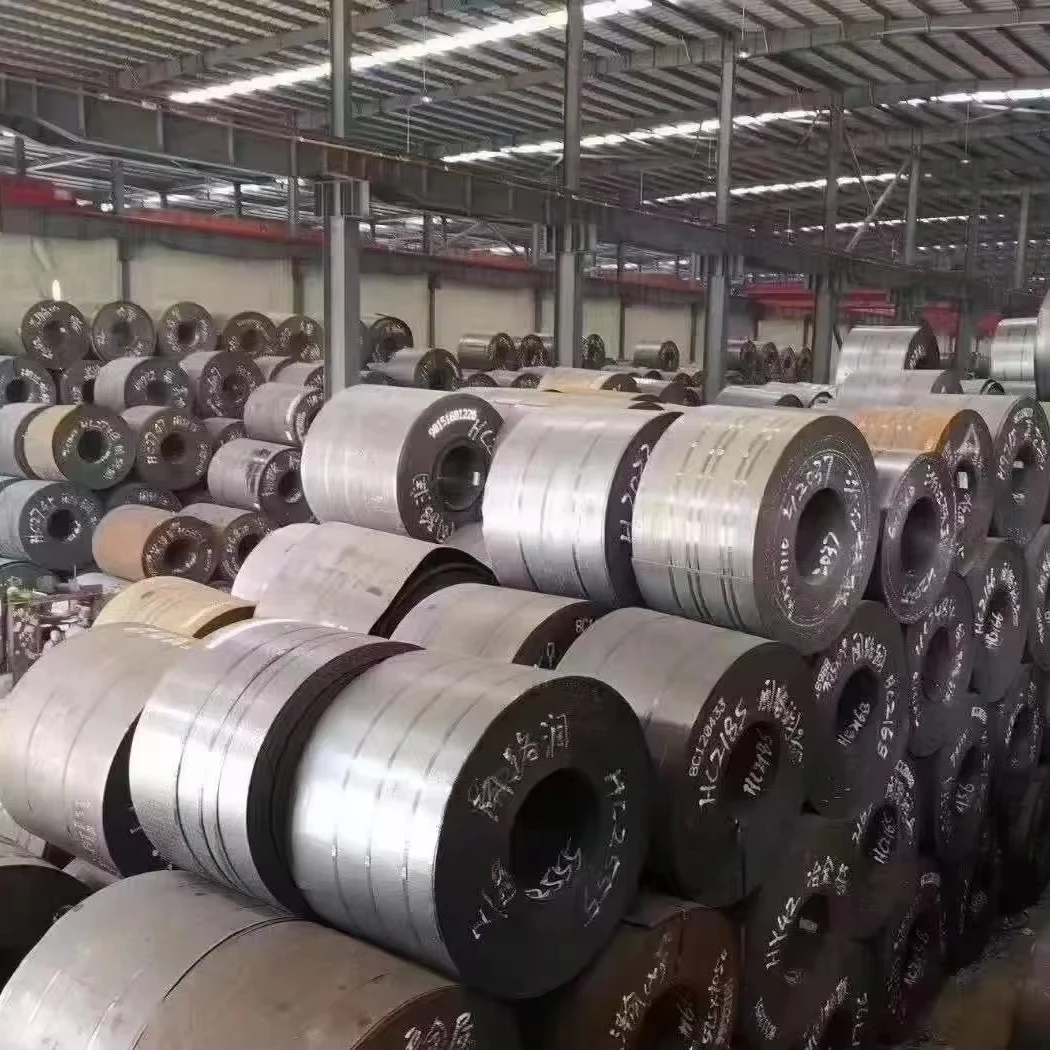
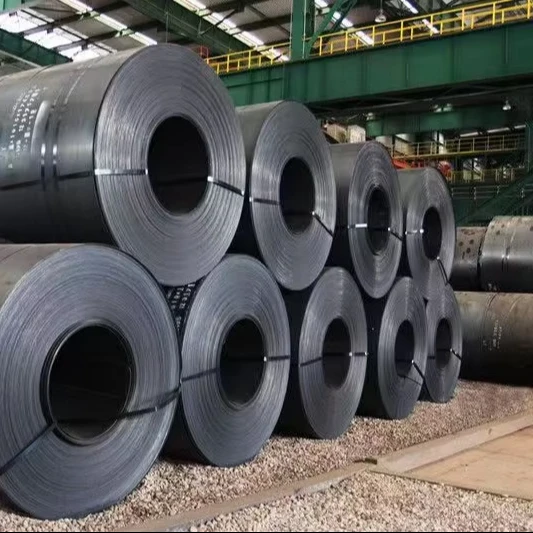
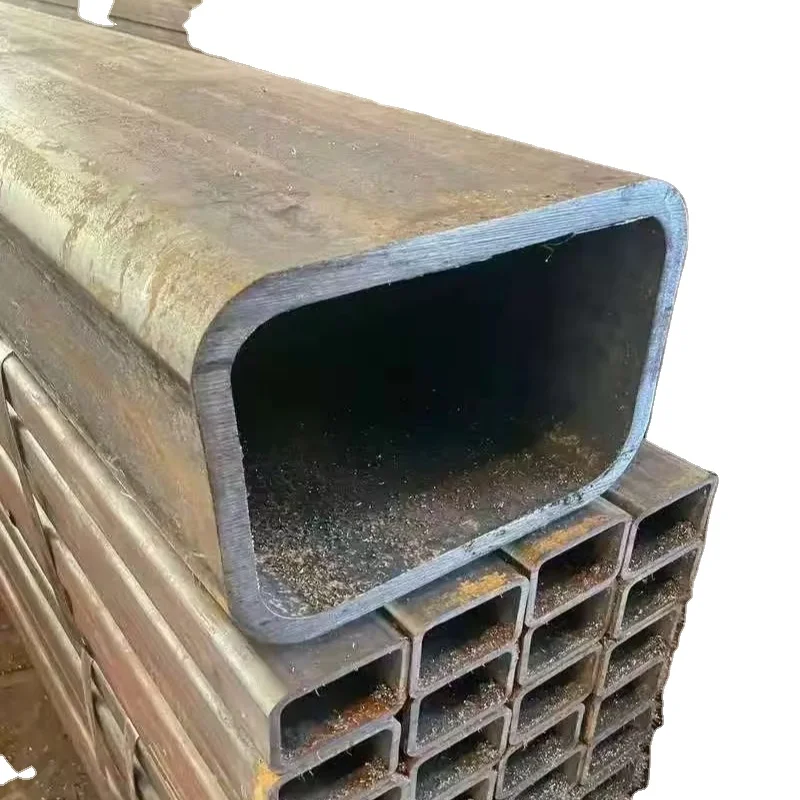
structural steel angle
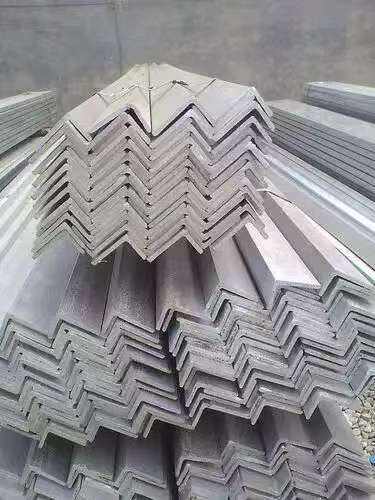
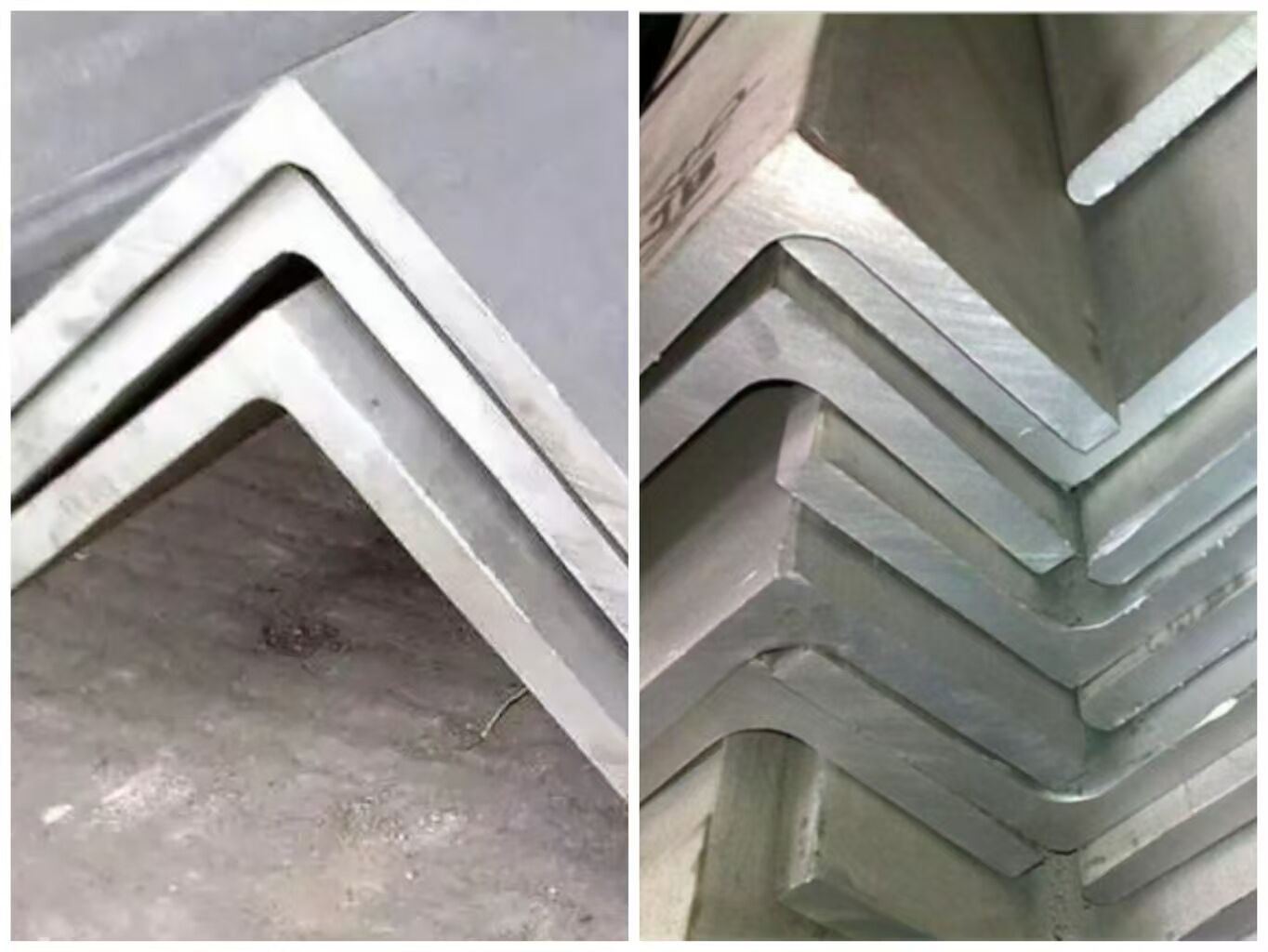
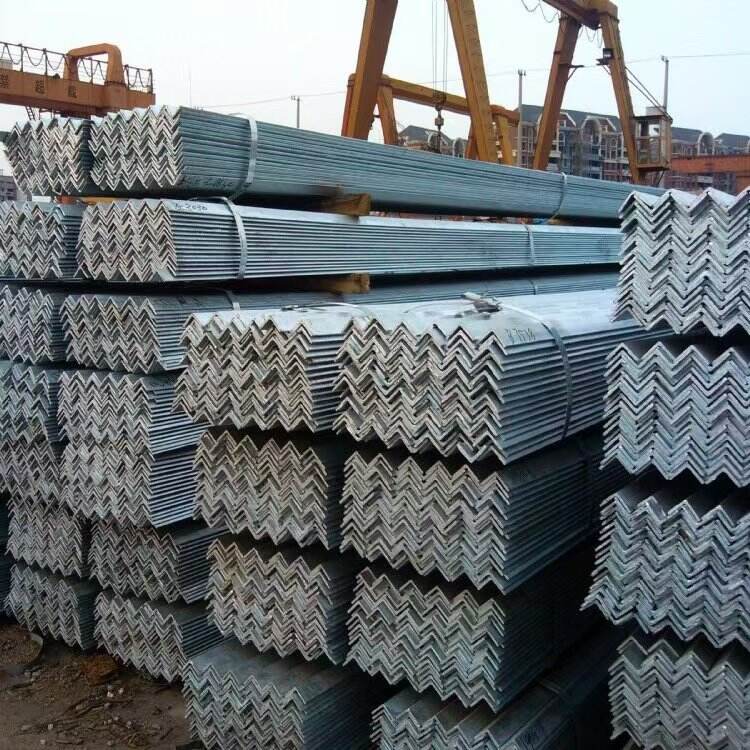
Structural steel angle is a fundamental component in modern construction and engineering, characterized by its L-shaped cross-section formed by two perpendicular legs. This versatile steel profile plays a crucial role in providing support and stability across various structural applications. Manufactured through hot-rolling processes, structural steel angles are available in equal and unequal leg configurations, offering flexibility in design and implementation. The product's inherent strength comes from its geometric design, which efficiently distributes loads while maintaining a relatively lightweight profile. Typically produced from high-quality carbon steel, these angles demonstrate excellent resistance to bending and torsional forces. The standardized manufacturing process ensures consistent quality and dimensional accuracy, making them reliable for both large-scale construction projects and smaller applications. Structural steel angles serve multiple functions, from acting as support beams and bracing elements to forming part of larger structural assemblies. Their adaptability allows for various connection methods, including welding, bolting, and riveting, making them compatible with diverse construction techniques. The surface of structural steel angles can be treated with various protective coatings to enhance durability and corrosion resistance, extending their service life in different environmental conditions.



 EN
EN