Hot Rolled Coil (HRC): High-Performance Steel Solution for Industrial Applications

All Categories

hot rolled coil hrc

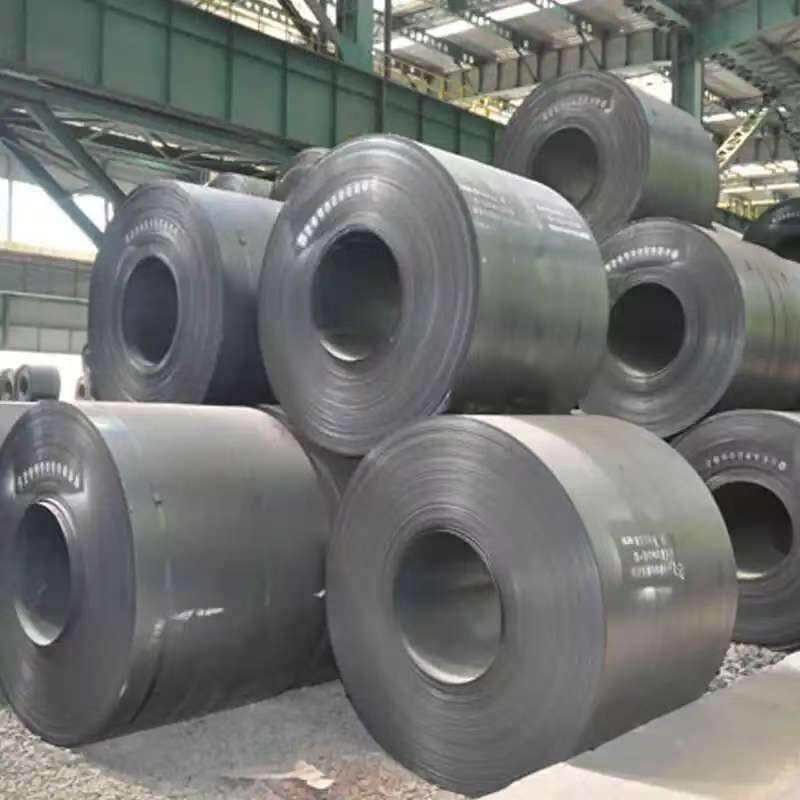
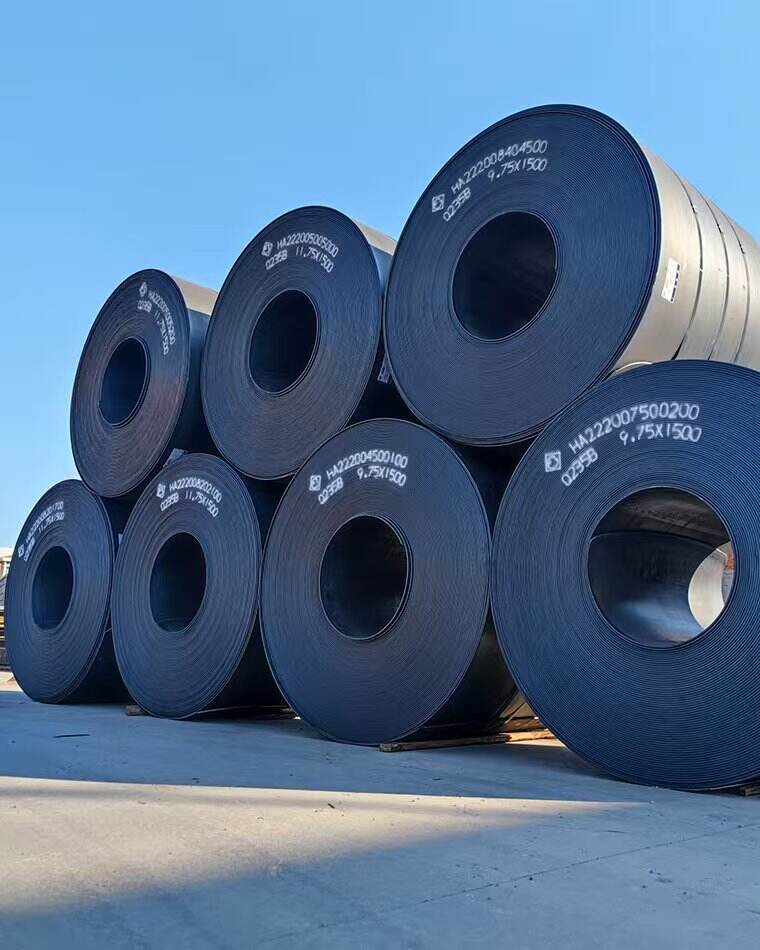
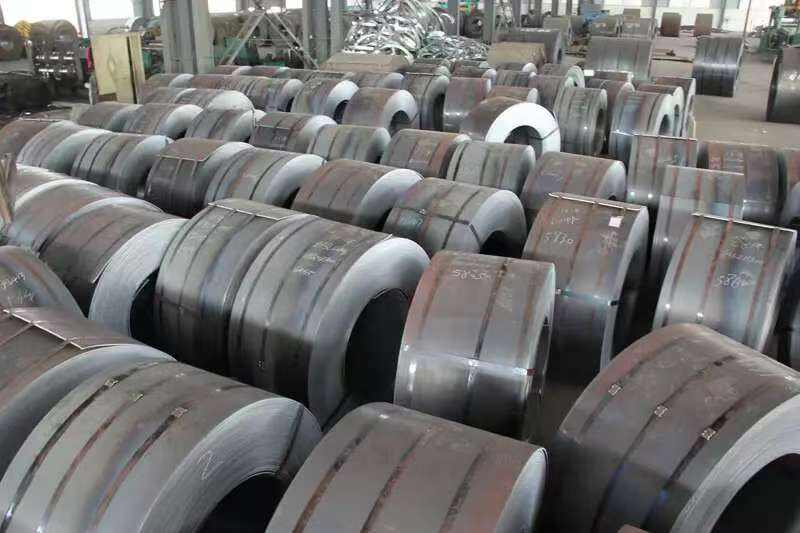
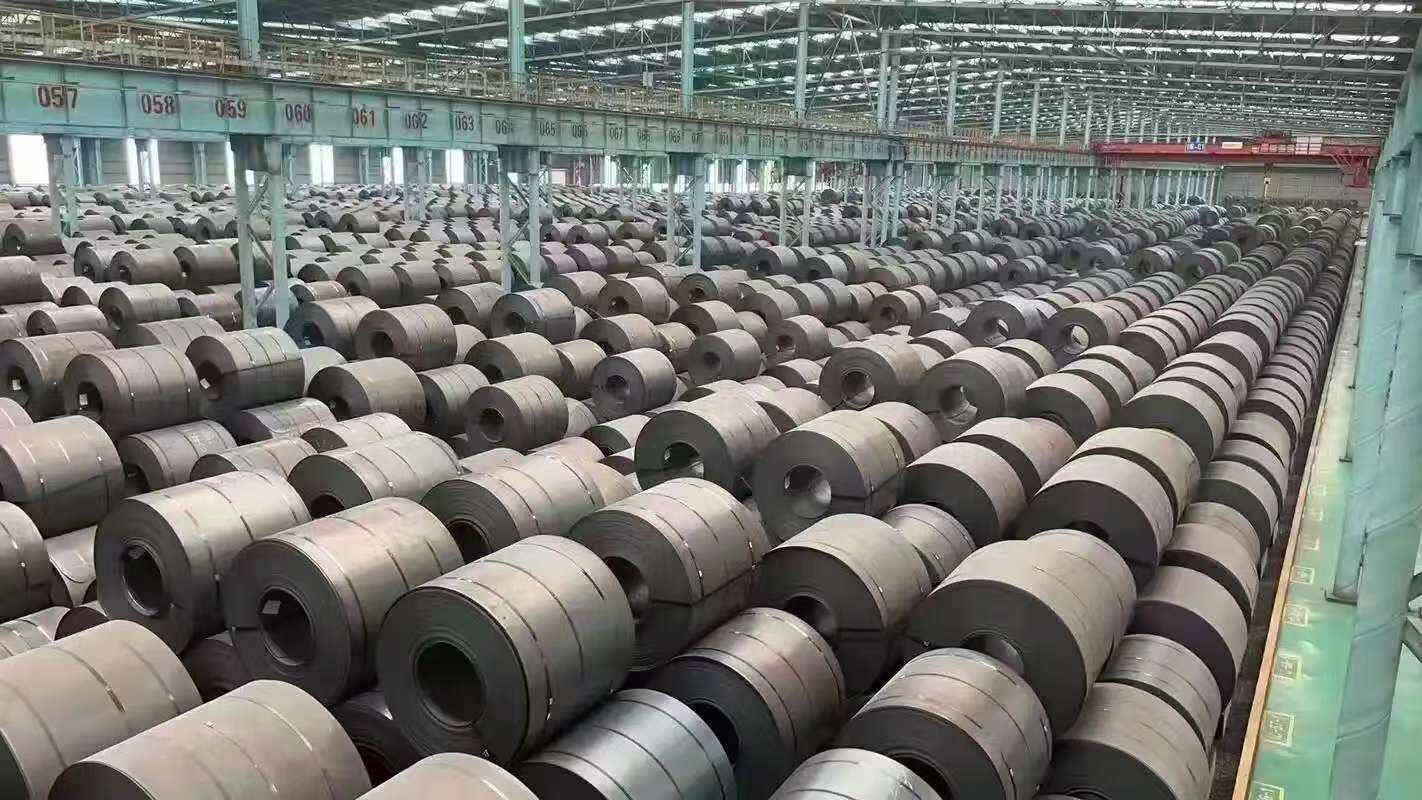
Hot Rolled Coil (HRC) represents a fundamental steel product manufactured through a high-temperature rolling process. This process involves heating steel slabs to temperatures exceeding 1,700°F (926°C), then processing them through a series of rolling stands that progressively reduce their thickness. The resulting product is a versatile steel coil characterized by its uniform thickness, consistent material properties, and cost-effective production method. HRC serves as a crucial material in various industrial applications, from construction to manufacturing. The production process ensures excellent formability and weldability, making it ideal for applications requiring structural integrity. These coils typically feature a dark grey surface with slight scale formation, which can be removed if needed. The thickness range generally spans from 1.2mm to 25mm, with widths available up to 2,500mm, accommodating diverse industrial requirements. The material's mechanical properties, including yield strength, tensile strength, and elongation, can be customized through careful control of the cooling process, enabling manufacturers to meet specific application demands.
New Product Recommendations

Hot Rolled Coil (HRC) offers numerous advantages that make it a preferred choice in various industrial applications. First, the manufacturing process is highly cost-effective compared to cold rolling, resulting in more competitive pricing for end users. The high-temperature rolling process also creates a product with reduced internal stresses, leading to better stability and predictability in subsequent forming operations. The material exhibits excellent formability, allowing it to be shaped into various configurations without compromising structural integrity. Another significant advantage is the speed of production, as HRC can be manufactured more quickly than cold-rolled alternatives, enabling faster delivery times and better inventory management. The versatility of HRC is demonstrated in its wide range of thickness options, making it suitable for diverse applications from heavy industrial use to lighter commercial requirements. The material's superior weldability facilitates easy integration into various fabrication processes, reducing production time and costs. Additionally, HRC's consistent mechanical properties throughout the coil ensure reliable performance in structural applications. The surface finish, while not as smooth as cold-rolled products, is perfectly suitable for many applications, and the natural scale formation can even provide some corrosion resistance. The material's ability to maintain its properties under high-temperature conditions makes it ideal for applications involving heat exposure. Furthermore, the straightforward processing requirements of HRC make it easier to handle in manufacturing environments, reducing the need for specialized equipment or expertise.

Practical Tips

How to Choose the Right Hot Rolled Coil for Your Project?

28

Jul

How to Choose the Right Hot Rolled Coil for Your Project?

View More
Why Is Hot Rolled Coil Preferred in Heavy-Duty Manufacturing?

28

Jul

Why Is Hot Rolled Coil Preferred in Heavy-Duty Manufacturing?

View More
What Are the Key Benefits of Using Hot Rolled Coil?

28

Jul

What Are the Key Benefits of Using Hot Rolled Coil?

View More
What Are the Best Uses for Galvanized Pipe in Modern Construction?

28

Jul

What Are the Best Uses for Galvanized Pipe in Modern Construction?

View More

Get a Free Quote

Our representative will contact you soon.
Email
Name
Company Name
Message
0/1000

hot rolled coil hrc

Superior Mechanical Properties and Versatility

Superior Mechanical Properties and Versatility

Hot Rolled Coil excels in its mechanical properties, offering a unique combination of strength, ductility, and formability. The high-temperature rolling process creates a material structure that maintains excellent yield and tensile strength while remaining highly malleable. This balance makes it particularly suitable for applications requiring both structural integrity and the ability to undergo further forming processes. The material's versatility is evident in its wide range of available specifications, accommodating thickness variations from thin gauge to heavy plate alternatives. This flexibility allows manufacturers to optimize material selection for specific applications, reducing waste and improving cost-effectiveness. The consistent grain structure throughout the material ensures uniform performance, critical for applications requiring predictable mechanical behavior.
Cost-Effective Production and Processing

Cost-Effective Production and Processing

The economic advantages of Hot Rolled Coil stem from its efficient production process and minimal post-processing requirements. The high-temperature rolling method requires less energy and fewer steps compared to cold rolling, resulting in lower production costs that translate to competitive pricing for customers. The material's natural cooling process eliminates the need for intermediate annealing steps, further reducing processing time and energy consumption. The scale formation, while sometimes considered a surface imperfection, can actually serve as a protective layer in certain applications, eliminating the need for additional surface treatments. These factors combine to make HRC an economically attractive option for large-scale industrial applications.
Environmental and Sustainable Manufacturing

Environmental and Sustainable Manufacturing

Hot Rolled Coil manufacturing aligns with modern sustainability requirements through its energy-efficient production process. The single-pass rolling operation at high temperatures requires less total energy compared to multiple-pass cold rolling processes. The material's excellent recyclability contributes to circular economy initiatives, as steel can be repeatedly recycled without losing its essential properties. The manufacturing process produces fewer emissions per ton of product compared to alternative methods, supporting companies' environmental compliance goals. Additionally, the efficient material utilization and reduced processing steps result in a smaller carbon footprint throughout the product lifecycle. This environmental consciousness, combined with the material's durability and long service life, makes HRC a sustainable choice for modern industrial applications.

Get a Free Quote

Our representative will contact you soon.
Email
Name
Company Name
Message
0/1000

Get a Free Quote

Our representative will contact you soon.
Email
Name
Company Name
Message
0/1000
email goToTop