HRC Steel Price Guide: Comprehensive Analysis of Cost, Benefits, and Market Dynamics

All Categories

price hrc steel

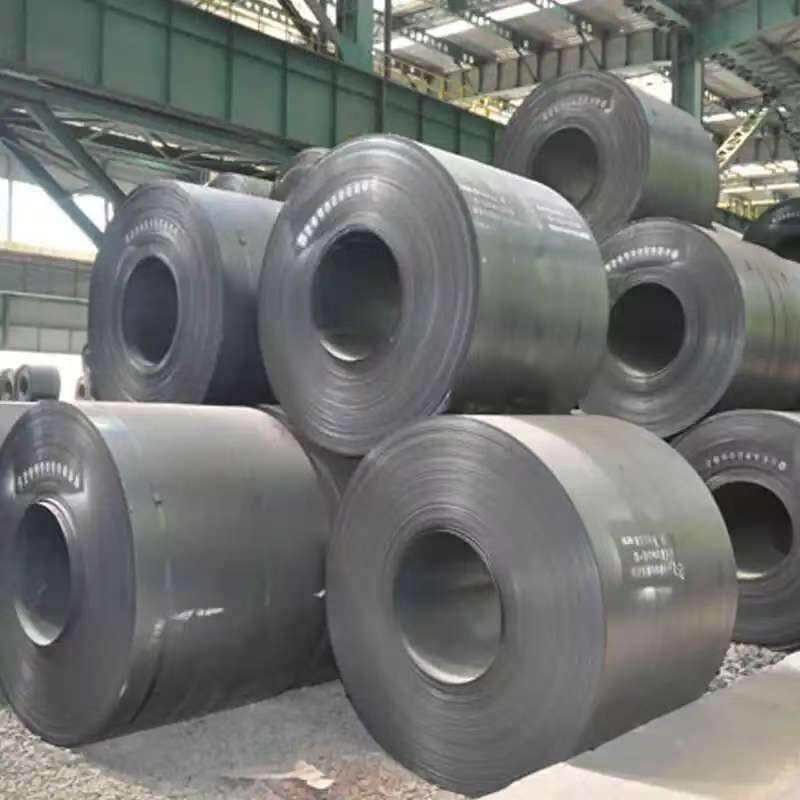
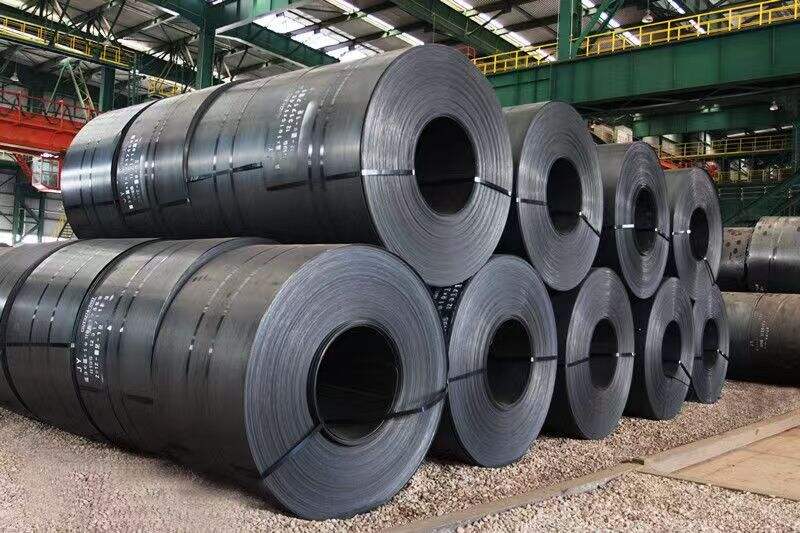
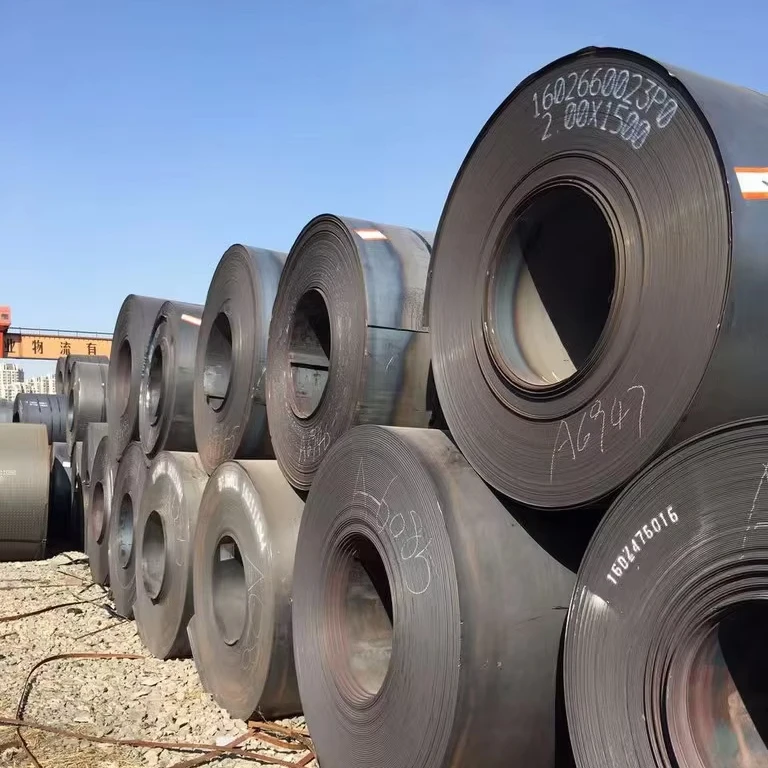
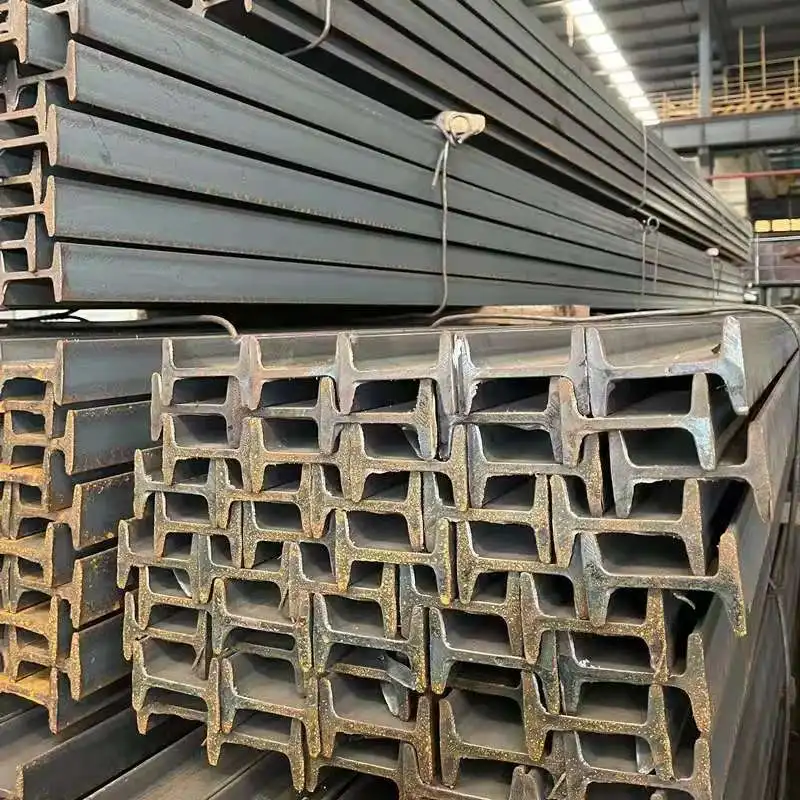
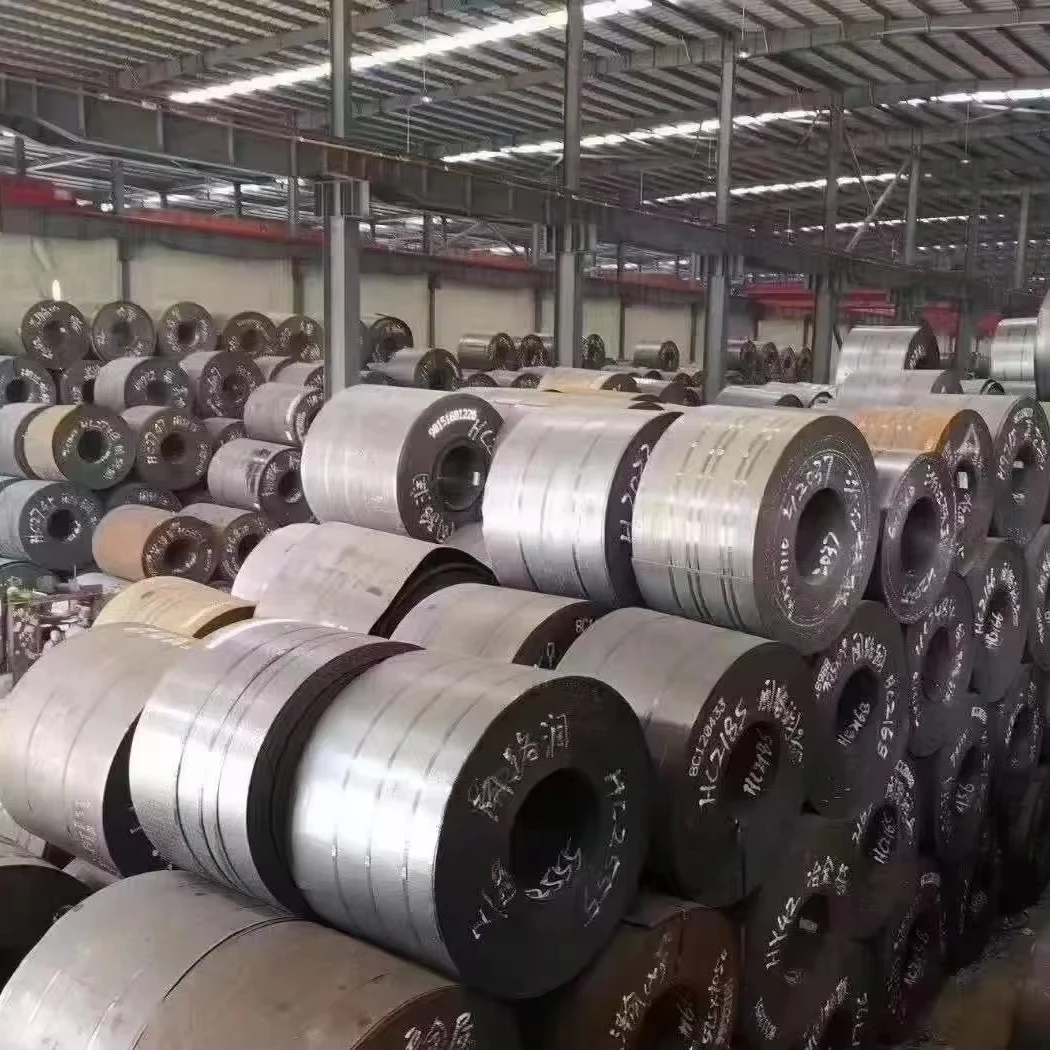
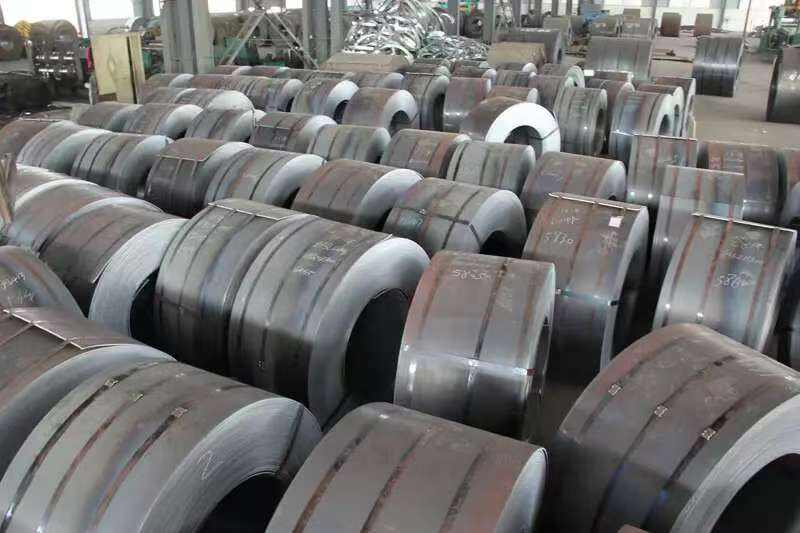
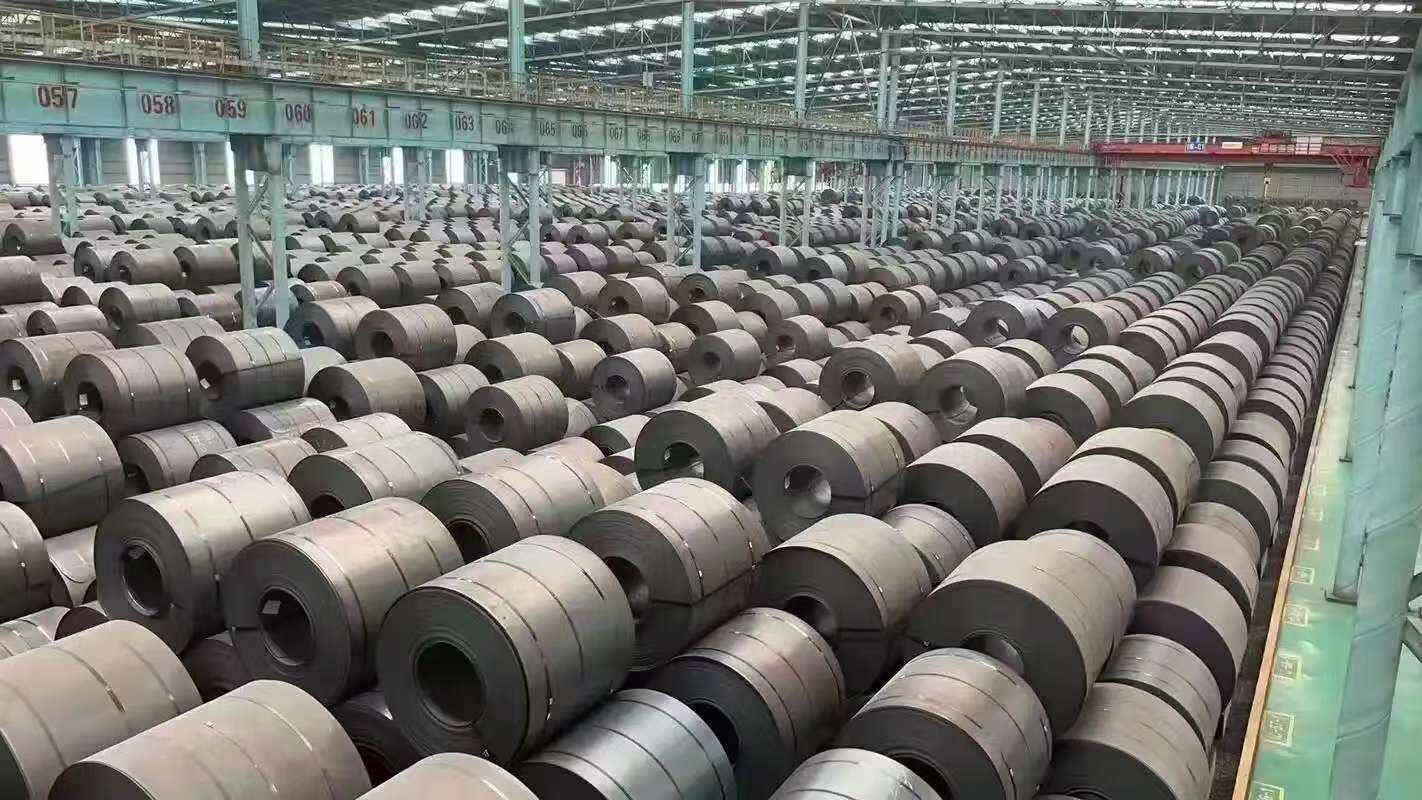
Price HRC steel, also known as Hot Rolled Coil steel, represents a fundamental component in the global steel market, serving as a benchmark for steel pricing and market trends. This versatile material is manufactured through a high-temperature rolling process, typically above 1,700°F, which results in a product with distinctive properties and applications. The pricing of HRC steel fluctuates based on various factors, including raw material costs, energy prices, market demand, and global economic conditions. The material exhibits excellent formability, weldability, and cost-effectiveness, making it a preferred choice across numerous industries. HRC steel finds extensive applications in construction, automotive manufacturing, industrial equipment, and infrastructure development. The price variations of HRC steel significantly impact supply chains and manufacturing costs worldwide, as it serves as a primary indicator of steel market health. Its manufacturing process involves minimal surface finishing, resulting in a characteristic blue-gray finish with slight surface imperfections, which proves advantageous for many industrial applications where precise surface finish is not critical.
Popular Products

The price HRC steel offers numerous compelling advantages that make it an attractive option for various industrial applications. First, its cost-effectiveness stems from a streamlined production process that requires fewer steps compared to cold-rolled alternatives, resulting in lower manufacturing costs that translate to competitive pricing for end-users. The material's excellent formability allows for easy shaping and fabrication, reducing processing time and labor costs in manufacturing operations. Additionally, HRC steel's robust mechanical properties ensure durability and reliability in demanding applications, while its widely available nature ensures consistent supply chain operations. The pricing structure of HRC steel typically offers better value for bulk purchases, making it particularly advantageous for large-scale projects and continuous manufacturing operations. The material's versatility allows for use in both structural and non-structural applications, providing flexibility in inventory management and project planning. From an economic perspective, the predictable pricing patterns of HRC steel enable better cost forecasting and budget planning for businesses. The material's inherent strength-to-weight ratio delivers optimal performance while maintaining cost efficiency, and its standardized manufacturing process ensures consistent quality across different suppliers and regions.

Practical Tips

How to Choose the Right Hot Rolled Coil for Your Project?

28

Jul

How to Choose the Right Hot Rolled Coil for Your Project?

View More
Why Is Hot Rolled Coil Preferred in Heavy-Duty Manufacturing?

28

Jul

Why Is Hot Rolled Coil Preferred in Heavy-Duty Manufacturing?

View More
What Are the Key Benefits of Using Hot Rolled Coil?

28

Jul

What Are the Key Benefits of Using Hot Rolled Coil?

View More
What Are the Best Uses for Galvanized Pipe in Modern Construction?

28

Jul

What Are the Best Uses for Galvanized Pipe in Modern Construction?

View More

Get a Free Quote

Our representative will contact you soon.
Email
Name
Company Name
Message
0/1000

price hrc steel

Market-Driven Pricing Dynamics

Market-Driven Pricing Dynamics

The pricing mechanism of HRC steel demonstrates a sophisticated interplay of market forces that directly influences its accessibility and economic value. This dynamic pricing system responds to global supply and demand patterns, making it an essential economic indicator for the steel industry. The price fluctuations reflect real-time market conditions, allowing businesses to make informed decisions about procurement timing and volume. The transparency in HRC steel pricing, often published through industry benchmarks and indices, enables buyers to negotiate fair terms and maintain competitive advantages in their respective markets. This market-responsive pricing structure also encourages efficiency in the supply chain, as manufacturers and distributors must optimize their operations to maintain profitability within prevailing market conditions.
Cost-Effective Manufacturing Process

Cost-Effective Manufacturing Process

The manufacturing process of HRC steel represents a pinnacle of industrial efficiency, contributing significantly to its competitive pricing structure. The hot rolling process requires less energy and fewer steps compared to more refined steel products, resulting in lower production costs that benefit end-users. This streamlined manufacturing approach allows for high-volume production while maintaining consistent quality standards, enabling economies of scale that further enhance cost-effectiveness. The process also minimizes material waste and reduces the need for expensive surface treatments, making HRC steel an environmentally and economically sustainable choice for various applications.
Value-Based Supply Chain Integration

Value-Based Supply Chain Integration

HRC steel's pricing structure facilitates effective supply chain integration, offering significant value throughout the distribution network. The material's standardized specifications and widely recognized pricing mechanisms enable smooth transactions between suppliers, manufacturers, and end-users. This integration creates opportunities for strategic inventory management and just-in-time delivery systems, reducing storage costs and improving cash flow efficiency. The established global trading networks for HRC steel ensure reliable supply availability, while the transparent pricing structure helps businesses maintain competitive advantages in their respective markets.

Get a Free Quote

Our representative will contact you soon.
Email
Name
Company Name
Message
0/1000

Get a Free Quote

Our representative will contact you soon.
Email
Name
Company Name
Message
0/1000
email goToTop