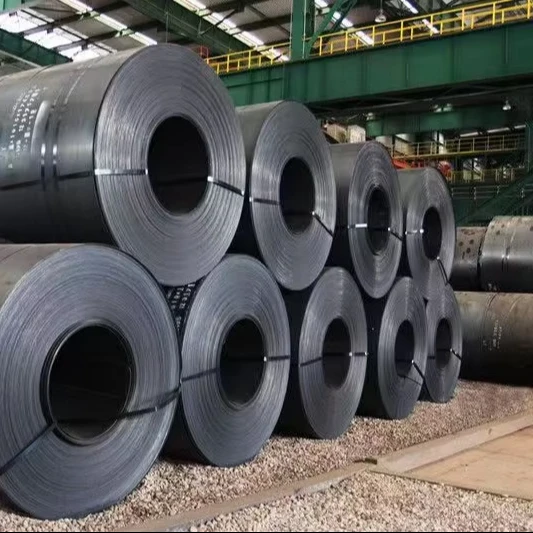
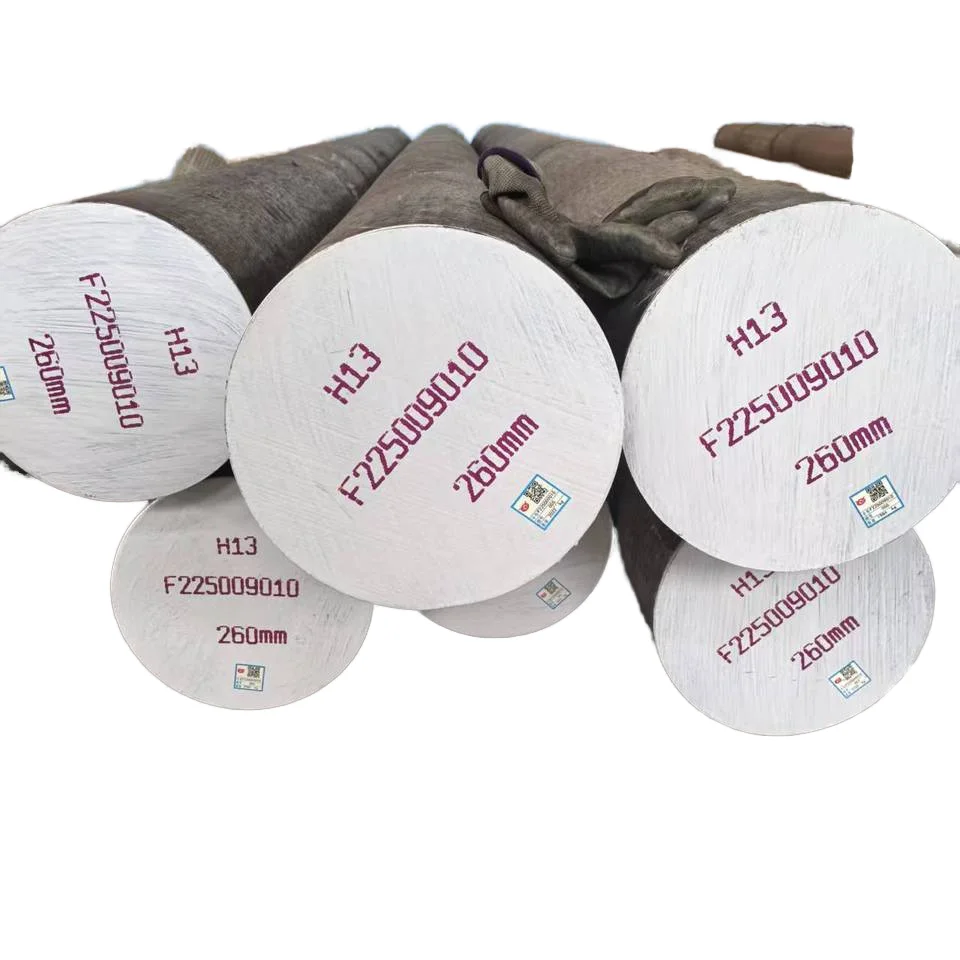
Hot Rolled Band Steel Price: Comprehensive Market Analysis and Value Proposition

All Categories

hot rolled band steel price

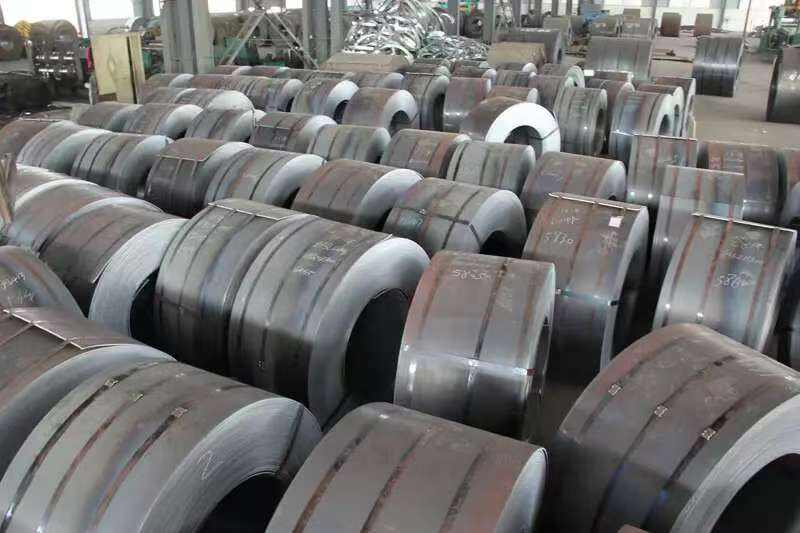
Hot rolled band steel price represents a crucial economic indicator in the metal industry, reflecting the market dynamics of this fundamental steel product. Hot rolled band steel, produced through a high-temperature rolling process typically above 1,700°F, is characterized by its versatility and cost-effectiveness. The pricing structure is influenced by various factors including raw material costs, energy expenses, market demand, and global economic conditions. This steel variant serves as a primary material in numerous industrial applications, from automotive manufacturing to construction projects. The price fluctuations directly impact the manufacturing costs across multiple sectors, making it a vital economic benchmark. The manufacturing process involves heating steel slabs to extreme temperatures and passing them through multiple rolling stands to achieve the desired thickness. This method results in a product that offers excellent formability and weldability, making it ideal for applications requiring structural strength. The pricing mechanism typically considers factors such as thickness specifications, width requirements, and surface finish quality, along with market variables like supply chain dynamics and regional demand patterns.
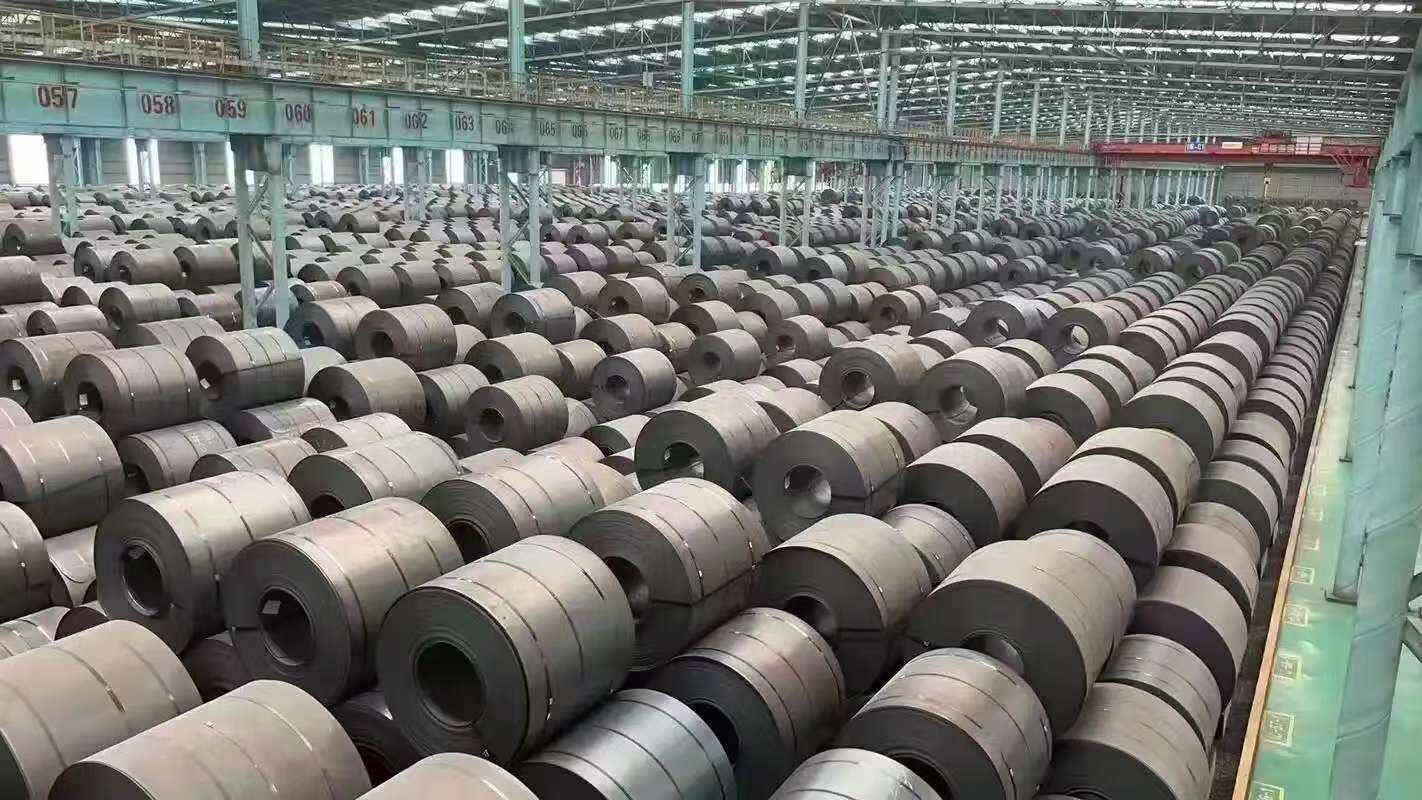
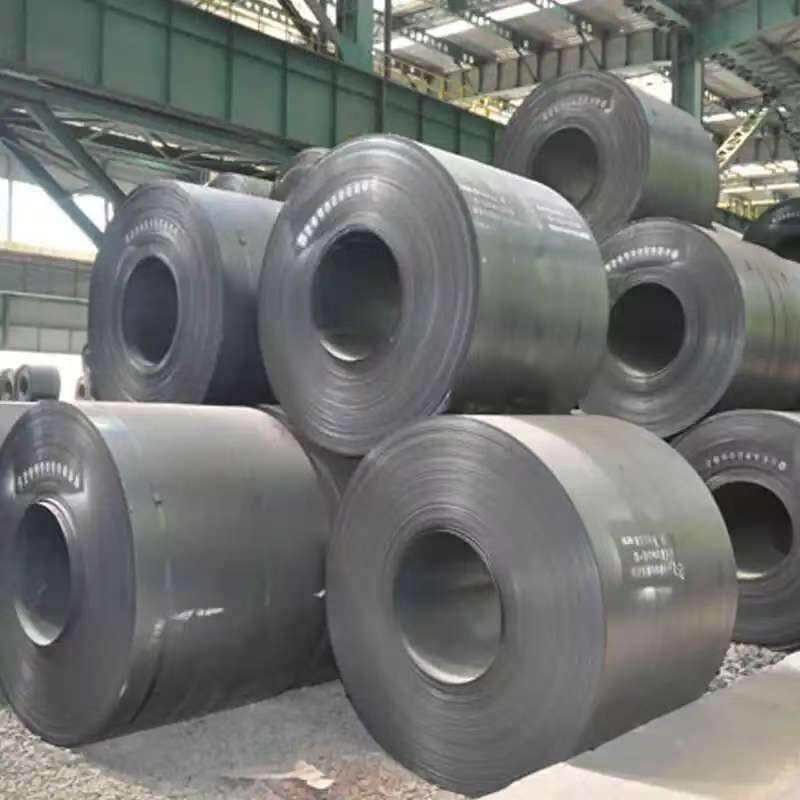
New Product Recommendations

The hot rolled band steel price offers several significant advantages that make it an attractive option for various industrial applications. First, it provides a cost-effective solution compared to cold-rolled alternatives, primarily due to fewer processing steps in manufacturing. This cost efficiency extends throughout the supply chain, enabling manufacturers to maintain competitive pricing structures. The pricing model typically incorporates volume-based discounts, allowing buyers to optimize their procurement strategies. Another key advantage lies in the material's versatility and adaptability to different industrial applications. The price-to-performance ratio makes it an economical choice for large-scale projects where material costs significantly impact overall budgets. The pricing structure also reflects the material's durability and strength characteristics, offering excellent value for money in terms of longevity and performance. Additionally, the market pricing mechanism typically includes considerations for various grade options, enabling buyers to select the most cost-effective solution for their specific applications. The transparent pricing model helps in better budget planning and cost management for long-term projects. The competitive nature of hot rolled band steel pricing also encourages innovation in manufacturing processes, leading to improved product quality while maintaining reasonable cost levels. This balance between cost and quality makes it a preferred choice for industries seeking reliable, economical solutions for their manufacturing needs.

Latest News

Why Is Hot Rolled Coil Preferred in Heavy-Duty Manufacturing?

28

Jul

Why Is Hot Rolled Coil Preferred in Heavy-Duty Manufacturing?

View More
What Are the Key Benefits of Using Hot Rolled Coil?

28

Jul

What Are the Key Benefits of Using Hot Rolled Coil?

View More
Why Choose Galvanized Pipe for Outdoor Plumbing Systems?

28

Jul

Why Choose Galvanized Pipe for Outdoor Plumbing Systems?

View More
What Are the Best Uses for Galvanized Pipe in Modern Construction?

28

Jul

What Are the Best Uses for Galvanized Pipe in Modern Construction?

View More

Get a Free Quote

Our representative will contact you soon.
Email
Name
Company Name
Message
0/1000

hot rolled band steel price

Market Responsive Pricing Structure

Market Responsive Pricing Structure

The hot rolled band steel price demonstrates a highly responsive market-based pricing structure that adapts to changing industry conditions. This dynamic pricing mechanism reflects real-time market conditions, including raw material costs, energy prices, and global demand patterns. The pricing structure incorporates various factors such as regional market differences, transportation costs, and volume requirements, providing a comprehensive cost assessment for buyers. This responsive approach ensures fair market value while maintaining competitive positioning in the global steel market. The pricing system also accounts for seasonal variations and industry-specific demand cycles, offering buyers the advantage of strategic purchasing opportunities. The transparency in price formation helps businesses make informed decisions about their procurement strategies, enabling better cost management and budget planning.
Cost-Efficiency and Value Proposition

Cost-Efficiency and Value Proposition

The pricing model of hot rolled band steel exemplifies an optimal balance between cost and value. The manufacturing process's efficiency translates into competitive pricing, making it an economical choice for large-scale industrial applications. The price point reflects the material's inherent qualities such as strength, durability, and versatility, offering excellent value for investment. This cost-efficiency extends beyond the initial purchase price, encompassing reduced processing costs and lower overall production expenses. The pricing structure often includes various grade options, enabling buyers to select the most cost-effective solution that meets their specific requirements. The value proposition is further enhanced by the material's wide application range and minimal processing requirements, making it a cost-effective choice for diverse industrial needs.
Supply Chain Integration and Pricing Benefits

Supply Chain Integration and Pricing Benefits

Hot rolled band steel pricing demonstrates strong integration with supply chain dynamics, offering significant advantages for buyers and manufacturers alike. The pricing structure incorporates various supply chain efficiencies, including bulk purchasing options, logistics optimization, and inventory management considerations. This integration results in more predictable costs and better planning capabilities for businesses. The pricing model often includes provisions for long-term supply agreements, helping stabilize costs over extended periods. The supply chain integration also enables better coordination between producers and end-users, leading to optimized delivery schedules and reduced storage costs. This comprehensive approach to pricing and supply chain management helps businesses maintain competitive advantages while ensuring reliable material supply at predictable costs.

Get a Free Quote

Our representative will contact you soon.
Email
Name
Company Name
Message
0/1000

Get a Free Quote

Our representative will contact you soon.
Email
Name
Company Name
Message
0/1000
email goToTop