
 EN
EN
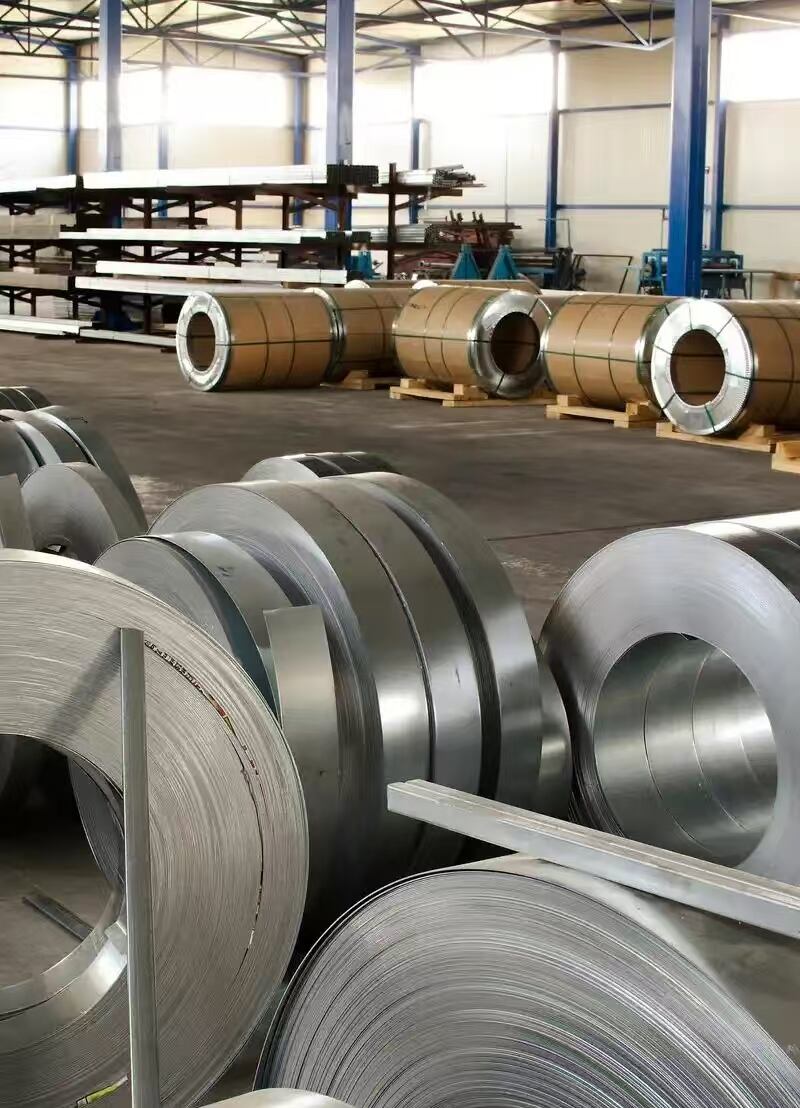
In modern industrial manufacturing, the strategic combination of steel with various alloying elements has transformed the capabilities of materials used across critical sectors. Steel and alloy combinations represent a sophisticated approach to material engineering, where specific elements are deliberately introduced to enhance mechanical properties, thermal resistance, and durability. These engineered materials have become indispensable in industries ranging from aerospace and automotive to tool manufacturing and energy production, where standard carbon steel alone cannot meet the demanding operational requirements. Understanding the industrial benefits of steel and alloy combinations enables manufacturers to make informed decisions about material selection, optimize production processes, and achieve superior product performance in challenging environments.
The deliberate blending of steel with alloying elements such as chromium, molybdenum, vanadium, nickel, and tungsten creates materials with tailored characteristics that address specific industrial challenges. These steel and alloy combinations are not random mixtures but carefully engineered compositions where each element contributes distinct properties to the final material. The industrial benefits extend beyond simple strength improvements to include enhanced wear resistance, improved thermal stability, better corrosion protection, and optimized machinability. As manufacturing processes become increasingly sophisticated and operating conditions more extreme, the role of properly designed steel and alloy combinations becomes even more critical for maintaining competitive advantage and ensuring long-term operational reliability across diverse industrial applications.
Mechanical Performance Enhancement Through Alloying
Strength and Hardness Optimization
The primary industrial benefit of steel and alloy combinations lies in their ability to deliver significantly enhanced mechanical strength and hardness compared to plain carbon steel. When elements like chromium, molybdenum, and vanadium are introduced into the steel matrix, they form carbides and other intermetallic compounds that reinforce the microstructure at the atomic level. This reinforcement translates directly into higher tensile strength, improved yield strength, and superior hardness values that are essential for tools, dies, and structural components subjected to heavy loads. In tool steel applications, for example, the combination of chromium and molybdenum creates secondary hardening effects that maintain hardness even at elevated temperatures, a critical requirement for hot working operations.
Industrial manufacturers benefit from these enhanced mechanical properties through extended component life, reduced downtime, and improved production efficiency. Components made from properly engineered steel and alloy combinations can withstand higher operational stresses without deformation or failure, allowing for more aggressive machining parameters, higher production speeds, and reduced maintenance intervals. The ability to maintain dimensional stability under load is particularly valuable in precision manufacturing sectors where tight tolerances must be maintained throughout the component's service life. This mechanical reliability translates into measurable cost savings through reduced replacement frequency and minimized production interruptions.
Toughness and Impact Resistance
Beyond hardness, steel and alloy combinations provide crucial improvements in toughness and impact resistance, properties that determine how materials respond to sudden loads and shock conditions. The addition of nickel and manganese to steel formulations enhances the material's ability to absorb energy without fracturing, a characteristic essential for applications in construction equipment, mining machinery, and automotive safety components. This balance between hardness and toughness is one of the most significant industrial benefits, as materials that are too hard but brittle will fail catastrophically under impact, while those that are tough but soft will deform excessively. Properly designed alloy combinations achieve the optimal balance for specific applications.
The industrial implications of improved toughness extend to operational safety and reliability in critical applications. Components that must withstand cyclic loading, thermal shock, or mechanical impact benefit enormously from steel and alloy combinations that resist crack initiation and propagation. In cold working environments, nickel-enhanced steels maintain ductility at low temperatures where plain carbon steels become brittle and prone to sudden failure. This temperature-dependent toughness is particularly important for equipment operating in Arctic conditions, cryogenic applications, or environments with wide temperature fluctuations. The resulting reliability reduces catastrophic failure risks and associated safety hazards.
Thermal Stability and High-Temperature Performance
Heat Resistance and Thermal Fatigue
One of the most valuable industrial benefits of steel and alloy combinations is their superior performance at elevated temperatures, where conventional materials rapidly lose strength and structural integrity. Alloying elements such as molybdenum, tungsten, and vanadium create stable carbides that resist softening at high temperatures, maintaining mechanical properties well above the capabilities of carbon steel. This thermal stability is essential for applications like hot forging dies, extrusion tooling, and turbine components where operating temperatures routinely exceed several hundred degrees Celsius. The combination of chromium and molybdenum in particular creates synergistic effects that enhance both oxidation resistance and high-temperature strength retention.
Industrial operations involving repeated heating and cooling cycles particularly benefit from steel and alloy combinations designed for thermal fatigue resistance. The ability to withstand thermal cycling without developing cracks or dimensional changes is critical for die casting operations, glass molding, and metal forming processes. Components made from steel and alloy combinations specifically engineered for thermal applications maintain their dimensional accuracy and surface finish through thousands of thermal cycles, dramatically extending tool life and improving production consistency. This durability translates into reduced tooling costs, minimized production delays, and improved product quality across manufacturing operations.
Oxidation and Scale Resistance
The formation of protective oxide layers is another critical industrial benefit provided by chromium-rich steel and alloy combinations. When chromium content exceeds certain threshold levels, it forms a dense, adherent chromium oxide layer on the surface that prevents further oxidation and scaling at high temperatures. This self-protecting characteristic is invaluable for components exposed to combustion gases, high-temperature air, or oxidizing atmospheres in furnaces, heat treatment equipment, and power generation systems. The reduction in surface degradation maintains dimensional accuracy and eliminates the need for frequent surface reconditioning or replacement of high-temperature components.
Beyond simple oxidation resistance, certain steel and alloy combinations provide protection against more aggressive forms of high-temperature corrosion, including sulfidation and carburization. In petrochemical processing, waste incineration, and other environments where sulfur-bearing compounds or carbon-rich atmospheres are present, specialized alloy additions create barriers that prevent these elements from penetrating and degrading the base material. This chemical stability extends component service life in some of the most challenging industrial environments, reducing maintenance requirements and improving process reliability. The economic benefits of this extended durability are substantial, particularly for large-scale industrial equipment where replacement costs and downtime penalties are significant.
Wear Resistance and Surface Durability
Abrasion and Erosion Protection
Industrial applications involving sliding contact, particle impact, or abrasive media demand exceptional wear resistance that steel and alloy combinations can provide through careful compositional design. The formation of hard carbide phases within the steel matrix creates microstructural features that resist material removal through abrasion and erosion. Vanadium carbides, in particular, are among the hardest and most wear-resistant phases achievable in steel alloys, making vanadium-bearing steels ideal for cutting tools, mining equipment, and agricultural implements subjected to soil abrasion. The distribution, size, and type of these carbides can be controlled through alloy composition and heat treatment to optimize wear performance for specific applications.
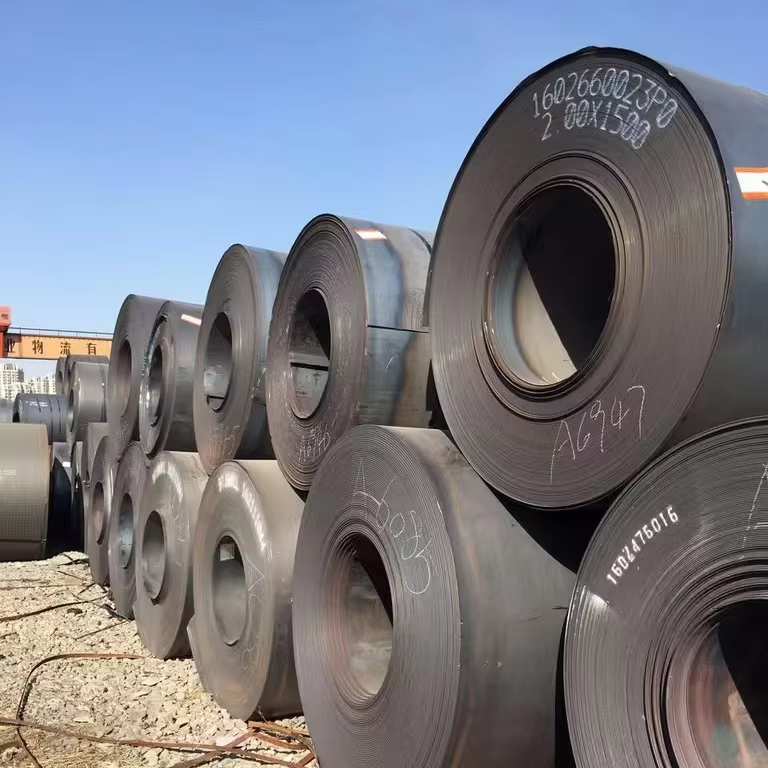
The industrial benefits of superior wear resistance manifest in multiple ways across manufacturing operations. Components that resist wear maintain their dimensional accuracy and surface finish longer, resulting in consistent product quality throughout extended production runs. In metalworking applications, dies and punches made from wear-resistant steel and alloy combinations can produce hundreds of thousands of parts before requiring refurbishment, compared to tens of thousands for less durable materials. This extended service life reduces tooling inventory requirements, minimizes changeover downtime, and lowers per-unit production costs. For industries operating on thin margins, these incremental improvements in wear resistance translate into significant competitive advantages.
Galling and Adhesive Wear Prevention
Galling, a form of adhesive wear where material transfers between sliding surfaces, represents a particularly challenging failure mode that steel and alloy combinations can effectively address. Certain alloying strategies create surface chemistries and microstructures that resist metal-to-metal adhesion even under high contact pressures and limited lubrication conditions. Chromium and molybdenum additions modify surface properties to reduce friction coefficients and prevent the cold welding phenomenon that leads to galling. This characteristic is especially valuable in forming operations, fastener applications, and mechanical assemblies where repeated relative motion occurs between similar materials.
The prevention of galling and adhesive wear through optimized steel and alloy combinations enables the use of higher forming pressures, tighter assembly tolerances, and more aggressive production parameters without surface damage or seizure. In deep drawing operations, dies made from galling-resistant materials allow for smoother metal flow and reduced surface defects in formed parts. Similarly, threaded components manufactured from properly alloyed steels can be assembled and disassembled repeatedly without thread damage or seizure, a critical requirement for maintenance-intensive equipment. These surface durability benefits reduce scrap rates, improve product aesthetics, and enhance the functional reliability of assembled products throughout their service lives.
Corrosion Resistance and Environmental Durability
Atmospheric and Aqueous Corrosion Protection
While corrosion resistance is most commonly associated with stainless steels, many steel and alloy combinations provide enhanced resistance to atmospheric and aqueous corrosion compared to plain carbon steel. The addition of chromium, even at levels below those typical for stainless grades, significantly improves resistance to moisture-induced rusting and atmospheric corrosion. This moderate corrosion resistance is sufficient for many industrial applications where full stainless steel specifications are unnecessary but where carbon steel would deteriorate too rapidly. Components for outdoor equipment, marine environments, and humid industrial facilities benefit from these intermediate alloy grades that balance corrosion protection with mechanical properties and cost considerations.
Industrial benefits of improved corrosion resistance extend beyond simple material preservation to include reduced maintenance requirements, improved aesthetic appearance retention, and elimination of corrosion-related contamination in sensitive processes. In food processing equipment, pharmaceutical manufacturing, and chemical handling applications, steel and alloy combinations must resist not only water-based corrosion but also attack from organic acids, cleaning agents, and process chemicals. Carefully selected alloy additions create passive surface layers and modify electrochemical behavior to provide adequate protection without requiring the expense and processing complexity of high-alloy stainless steels. This targeted corrosion resistance approach optimizes material costs while meeting functional durability requirements.
Chemical and Process Environment Resistance
Specific industrial processes expose materials to chemical environments that would rapidly degrade conventional steels but that specialized steel and alloy combinations can withstand effectively. Molybdenum additions, for example, enhance resistance to chloride-induced pitting and crevice corrosion, making these alloys suitable for marine applications, desalination equipment, and processes involving chlorinated water or brine solutions. Similarly, silicon additions improve resistance to concentrated acids, while copper-bearing steels demonstrate superior performance in sulfuric acid environments. This chemical specificity allows materials engineers to match steel and alloy combinations to particular process chemistries for optimal performance.
The ability to select steel and alloy combinations based on specific chemical exposure conditions provides industrial operations with materials that deliver reliable long-term performance in process environments. This chemical compatibility reduces equipment failure rates, minimizes unplanned shutdowns, and prevents product contamination from corrosion byproducts. In chemical processing plants, power generation facilities, and waste treatment operations, the correct selection of corrosion-resistant steel and alloy combinations is critical for both operational efficiency and safety. The industrial benefits include extended equipment service life, reduced lifecycle costs, and improved process reliability in chemically aggressive environments that would otherwise require exotic and expensive materials.
Manufacturing and Processing Advantages
Machinability and Fabrication Characteristics
The machinability of steel and alloy combinations represents an often-overlooked but industrially significant benefit that affects manufacturing efficiency and cost. Certain alloying additions, particularly sulfur and lead in free-machining grades, create chip-breaking inclusions that facilitate rapid material removal during machining operations. These modifications allow for higher cutting speeds, extended tool life, and improved surface finishes, directly reducing manufacturing costs for components requiring extensive machining. Even in alloys where hardness and strength are prioritized, careful control of alloy composition and microstructure can optimize machinability without sacrificing performance properties.
Industrial manufacturers benefit from optimized machinability through reduced cycle times, lower tooling costs, and improved dimensional consistency in machined components. Steel and alloy combinations designed with manufacturing considerations in mind strike a balance between final performance properties and ease of processing, recognizing that material cost represents only one component of total manufactured part cost. For high-volume production operations, even marginal improvements in machinability translate into substantial productivity gains and cost reductions. The ability to machine complex geometries with tight tolerances efficiently is particularly valuable in industries like automotive, aerospace, and precision equipment manufacturing where both performance and cost competitiveness are critical.
Heat Treatment Response and Dimensional Stability
The heat treatment response of steel and alloy combinations provides industrial users with the ability to tailor final properties to specific application requirements after initial forming or machining operations. Alloying elements like chromium and molybdenum enhance hardenability, allowing components to achieve uniform hardness throughout their cross-section even with slower cooling rates. This deep hardening capability is particularly valuable for large components where rapid quenching is impractical and where through-hardening is necessary for uniform performance. The predictable and controllable heat treatment response of well-designed steel and alloy combinations enables consistent quality in heat-treated components and reduces the risk of distortion or cracking during thermal processing.
Dimensional stability during heat treatment represents another critical industrial benefit of properly formulated steel and alloy combinations. Materials that undergo excessive dimensional changes during hardening require additional grinding or machining operations to restore dimensional accuracy, adding cost and complexity to manufacturing processes. Steel and alloy combinations with balanced compositions and refined microstructures minimize distortion during heat treatment, reducing or eliminating post-hardening machining requirements. This dimensional predictability is especially important for precision components like gages, bearings, and injection mold cavities where tight tolerances must be maintained. The resulting manufacturing efficiency improvements and quality consistency provide measurable competitive advantages in precision manufacturing sectors.
FAQ
What are the most common alloying elements used in steel and alloy combinations for industrial applications?
The most frequently used alloying elements in industrial steel and alloy combinations include chromium, molybdenum, vanadium, nickel, manganese, silicon, and tungsten. Chromium provides corrosion resistance, hardenability, and wear resistance. Molybdenum enhances high-temperature strength, creep resistance, and hardenability while improving resistance to pitting corrosion. Vanadium forms extremely hard carbides that improve wear resistance and grain refinement. Nickel enhances toughness, particularly at low temperatures, and improves corrosion resistance. Manganese increases hardenability and strength while promoting austenite stability. Silicon improves oxidation resistance and acts as a deoxidizer. Tungsten contributes to high-temperature hardness retention and wear resistance. Each element serves specific purposes, and their combinations are carefully balanced to achieve desired property profiles for particular industrial applications.
How do steel and alloy combinations improve cost-effectiveness in industrial operations?
Steel and alloy combinations improve industrial cost-effectiveness through multiple mechanisms beyond initial material cost. Extended component service life reduces replacement frequency and associated downtime costs. Superior wear resistance maintains dimensional accuracy longer, reducing scrap rates and improving product consistency. Enhanced thermal stability in high-temperature applications extends die and tool life dramatically, lowering per-unit tooling costs. Improved machinability reduces manufacturing cycle times and tooling expenses. Better corrosion resistance eliminates or reduces protective coating requirements and extends equipment life in harsh environments. The ability to operate at higher loads, speeds, or temperatures increases production capacity without additional capital equipment investment. While steel and alloy combinations may have higher initial material costs than plain carbon steel, their total lifecycle costs are typically significantly lower due to these performance advantages, making them economically superior choices for demanding industrial applications.
Can steel and alloy combinations be customized for specific industrial requirements?
Yes, steel and alloy combinations can be customized within certain constraints to meet specific industrial requirements. Steel producers can adjust alloy compositions within standard grade ranges or develop entirely new proprietary compositions for high-volume applications with unique performance demands. Customization typically involves modifying the levels of standard alloying elements or adding secondary elements to achieve specific property targets such as enhanced toughness at particular temperatures, improved resistance to specific corrosive media, or optimized combinations of hardness and machinability. However, custom alloy development involves significant metallurgical expertise, testing, and validation to ensure the resulting material meets all performance, manufacturing, and quality requirements. For most industrial applications, existing standardized steel and alloy combinations have been developed and optimized over decades to address common requirements, providing proven performance at reasonable cost. Custom alloys are typically justified only when existing grades cannot meet critical application requirements and when production volumes warrant the development investment.
What testing and quality control measures ensure steel and alloy combinations meet industrial specifications?
Steel and alloy combinations undergo rigorous testing and quality control to verify they meet industrial specifications and performance requirements. Chemical composition is verified through spectroscopic analysis to ensure all alloying elements fall within specified ranges. Mechanical property testing includes tensile testing, hardness measurement, impact testing, and fatigue testing to confirm strength, ductility, and toughness meet requirements. Microstructural examination through metallography verifies proper grain structure, carbide distribution, and absence of defects. Non-destructive testing methods like ultrasonic inspection detect internal discontinuities. Heat treatment response is validated through hardenability testing and thermal analysis. For critical applications, additional testing may include corrosion resistance evaluation, high-temperature property verification, and wear testing under simulated service conditions. Quality management systems following international standards ensure consistent production practices, traceability, and documentation. These comprehensive testing protocols provide industrial users with confidence that steel and alloy combinations will perform reliably in their intended applications.
Table of Contents
- Mechanical Performance Enhancement Through Alloying
- Thermal Stability and High-Temperature Performance
- Wear Resistance and Surface Durability
- Corrosion Resistance and Environmental Durability
- Manufacturing and Processing Advantages
-
FAQ
- What are the most common alloying elements used in steel and alloy combinations for industrial applications?
- How do steel and alloy combinations improve cost-effectiveness in industrial operations?
- Can steel and alloy combinations be customized for specific industrial requirements?
- What testing and quality control measures ensure steel and alloy combinations meet industrial specifications?

