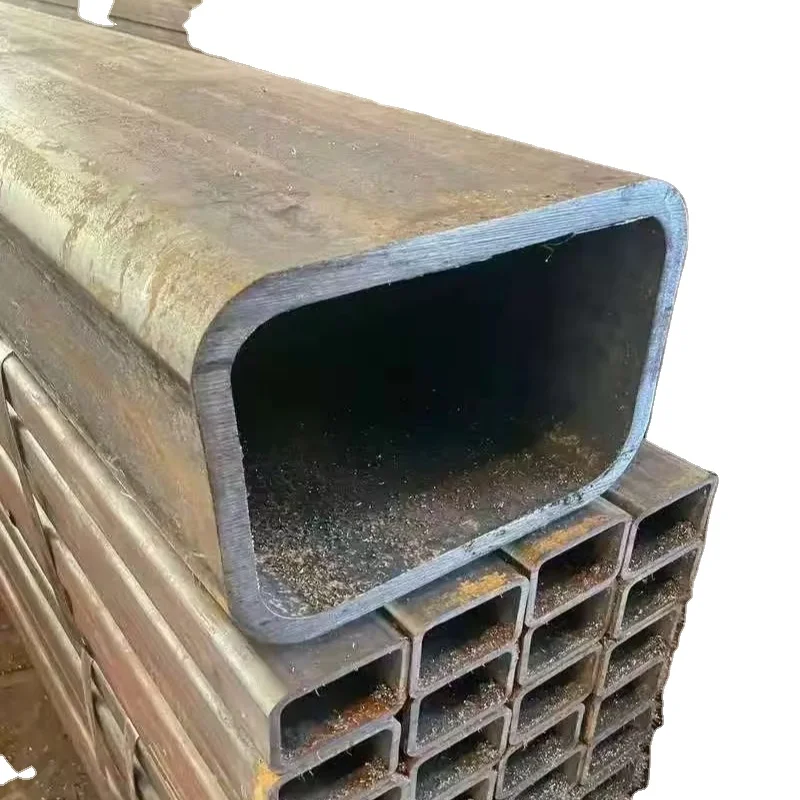
Structural I Beam Cost: Comprehensive Guide to Pricing, Benefits, and Value Analysis

All Categories

structural i beam cost

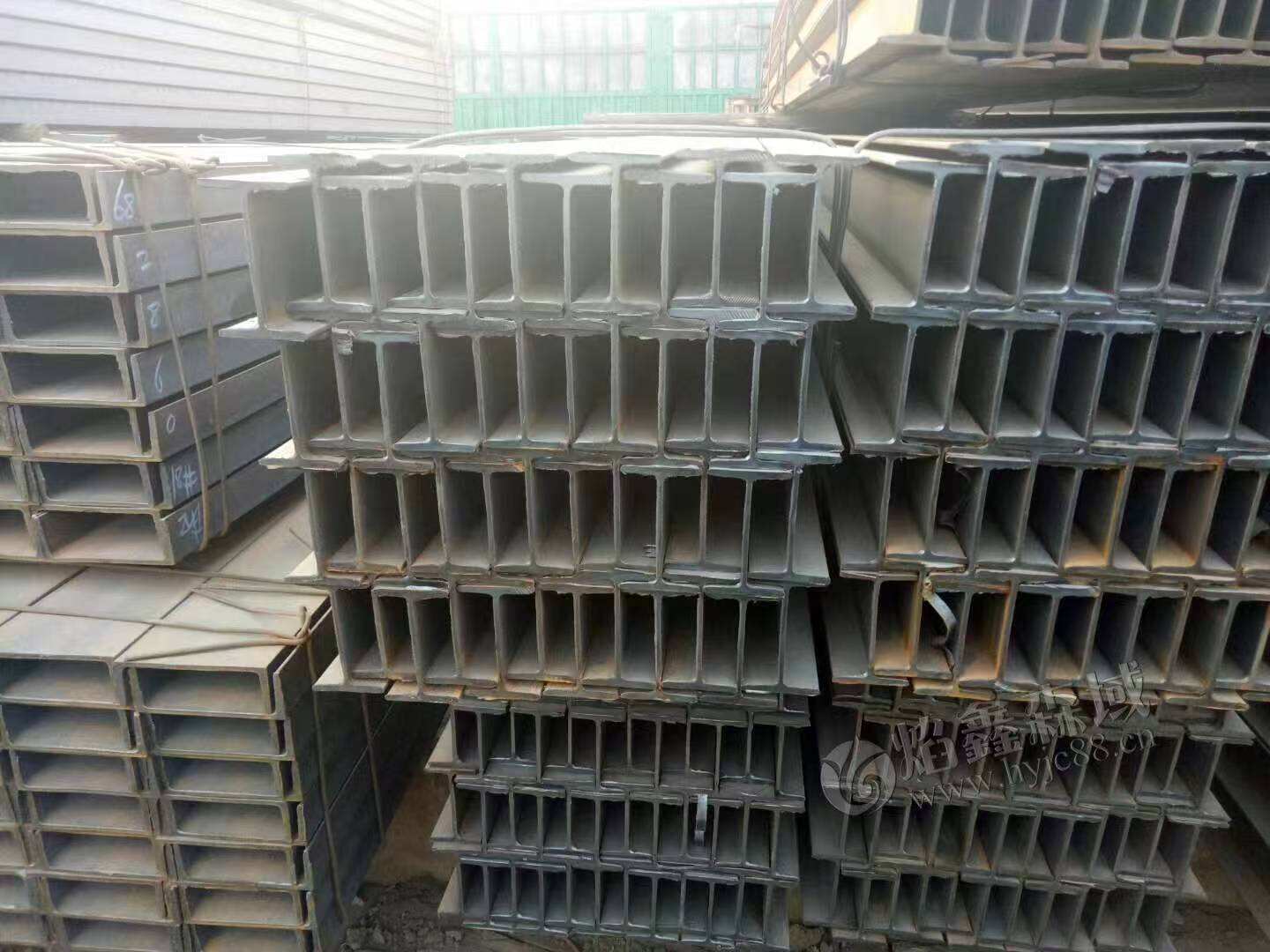
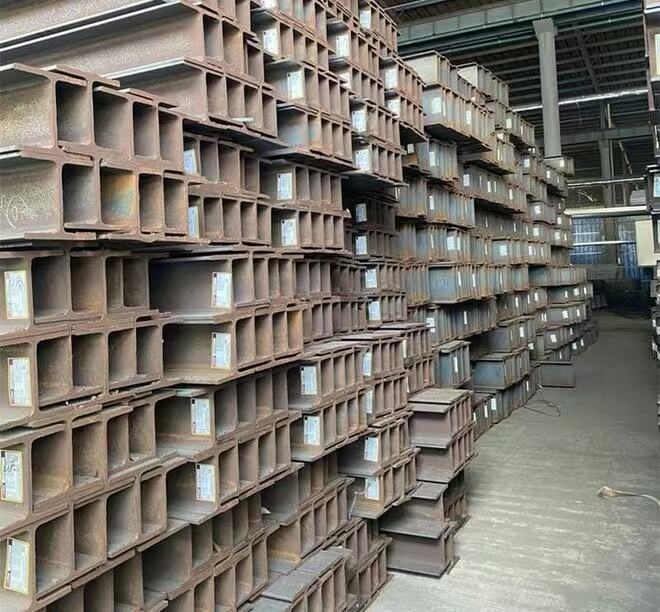
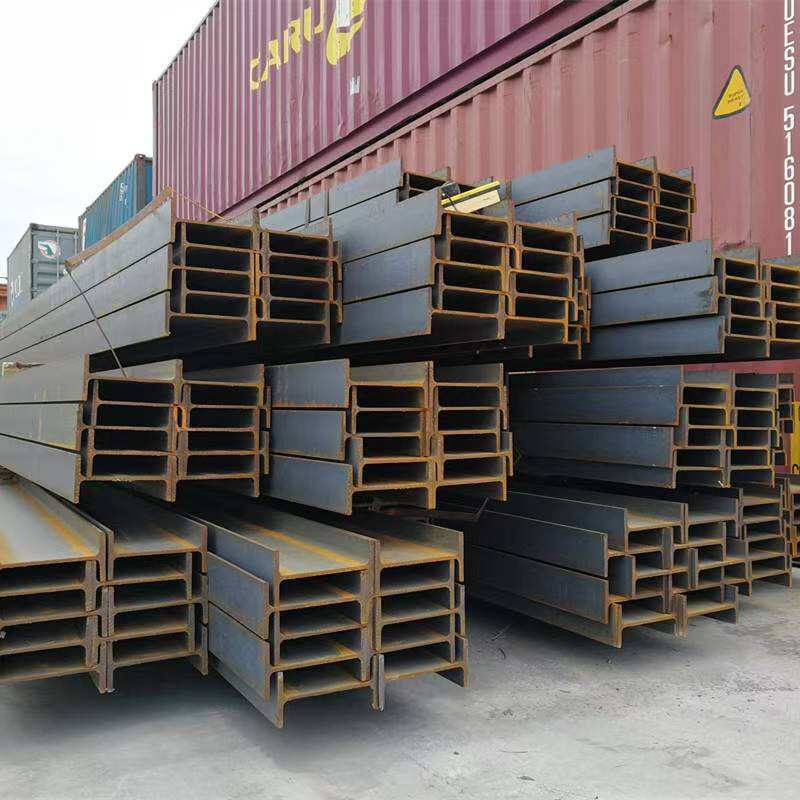
Structural I beam cost represents a crucial consideration in modern construction projects, encompassing various factors that influence the final pricing of these essential building components. These steel sections, characterized by their distinctive I-shaped cross-section, are fundamental elements in construction, providing exceptional strength-to-weight ratios and superior load-bearing capabilities. The cost structure typically includes raw material expenses, manufacturing processes, size specifications, and grade quality. Current market prices generally range from $800 to $3000 per ton, depending on size and grade. Factors affecting cost include flange width, web thickness, beam length, and steel grade quality. Local market conditions, transportation costs, and volume requirements also play significant roles in determining final pricing. The production process, involving hot rolling and precise cutting, contributes to the overall cost structure. Modern manufacturing techniques have improved efficiency, helping to maintain competitive pricing while ensuring high-quality standards. Understanding these cost components is essential for construction managers and contractors to make informed decisions and optimize their building projects effectively.
New Product Releases

The cost structure of structural I beams offers several significant advantages that make them an economically sound choice for construction projects. First, their efficient design maximizes material usage, resulting in less steel required per load-bearing capacity compared to other structural elements. This translates to direct cost savings in material expenses. The standardization of I beam sizes and specifications enables bulk production, leading to economies of scale and more competitive pricing. Their widespread availability through established supply chains helps reduce procurement costs and lead times. The durability and longevity of I beams contribute to long-term cost effectiveness by minimizing maintenance and replacement needs. Installation costs are generally lower due to their straightforward assembly process and compatibility with standard construction methods. The predictable pricing structure allows for accurate project budgeting and cost estimation. Their excellent strength-to-weight ratio reduces foundation requirements and associated costs. The recyclability of steel I beams adds value through potential material recovery at the end of their service life. Modern manufacturing processes have optimized production efficiency, helping maintain stable pricing despite market fluctuations. The versatility of I beams across various applications provides cost benefits through standardized design and construction methods. Their fire-resistant properties may reduce additional fireproofing costs in certain applications. The ability to span long distances with minimal support reduces the overall structural system cost.

Practical Tips

How to Choose the Right Hot Rolled Coil for Your Project?

28

Jul

How to Choose the Right Hot Rolled Coil for Your Project?

View More
What Are the Key Benefits of Using Hot Rolled Coil?

28

Jul

What Are the Key Benefits of Using Hot Rolled Coil?

View More
Why Choose Galvanized Pipe for Outdoor Plumbing Systems?

28

Jul

Why Choose Galvanized Pipe for Outdoor Plumbing Systems?

View More
What Are the Best Uses for Galvanized Pipe in Modern Construction?

28

Jul

What Are the Best Uses for Galvanized Pipe in Modern Construction?

View More

Get a Free Quote

Our representative will contact you soon.
Email
Name
Company Name
Message
0/1000

structural i beam cost

Cost-Effective Engineering Solutions

Cost-Effective Engineering Solutions

Structural I beam cost efficiency stems from their ingenious engineering design that maximizes load-bearing capacity while minimizing material usage. The I-shaped cross-section strategically distributes material where it's most needed, with the flanges handling bending forces and the web managing shear stress. This optimal material distribution results in up to 30% less steel usage compared to alternative structural solutions while maintaining equivalent strength. The standardized manufacturing process allows for precise quality control and reduced production waste, further contributing to cost effectiveness. Additionally, the engineered design facilitates easier modification and adaptation on-site, reducing labor costs and minimizing material waste during installation. These factors combine to create a highly economical structural solution that delivers superior performance at competitive price points.
Market Accessibility and Pricing Stability

Market Accessibility and Pricing Stability

The structural I beam market benefits from well-established supply chains and production networks that ensure consistent availability and stable pricing. Global production capacity and standardized manufacturing processes help maintain competitive pricing structures despite raw material fluctuations. The widespread distribution network reduces transportation costs and enables quick delivery timeframes, contributing to overall project cost efficiency. Regular market competition among suppliers helps maintain reasonable pricing levels while ensuring quality standards. The ability to source from multiple suppliers provides negotiating leverage for bulk purchases, often resulting in significant cost savings for large projects. This market structure also facilitates accurate long-term cost forecasting, essential for project planning and budgeting.
Lifecycle Cost Benefits

Lifecycle Cost Benefits

When considering the total lifecycle cost of structural I beams, their long-term economic advantages become apparent. The initial investment is offset by minimal maintenance requirements and exceptional durability, with typical service lives exceeding 50 years under normal conditions. Their inherent strength and resistance to environmental factors reduce the need for frequent inspections and repairs, lowering ongoing maintenance costs. The fire-resistant properties of steel I beams may reduce insurance premiums and additional fireproofing requirements. Their adaptability to changing building needs allows for cost-effective modifications or renovations over time. At the end of their service life, the high recycling value of steel provides additional economic benefits, contributing to the overall cost effectiveness of choosing I beams as a structural solution.

Get a Free Quote

Our representative will contact you soon.
Email
Name
Company Name
Message
0/1000

Get a Free Quote

Our representative will contact you soon.
Email
Name
Company Name
Message
0/1000
email goToTop