steel building trusses
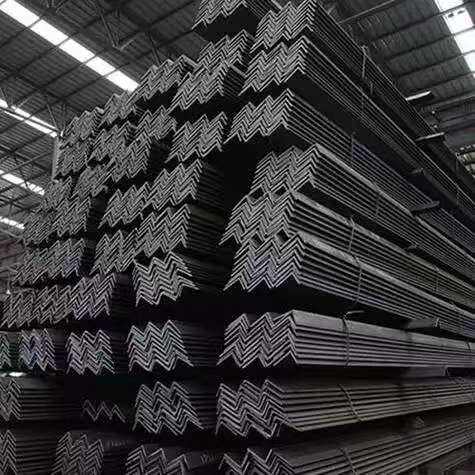
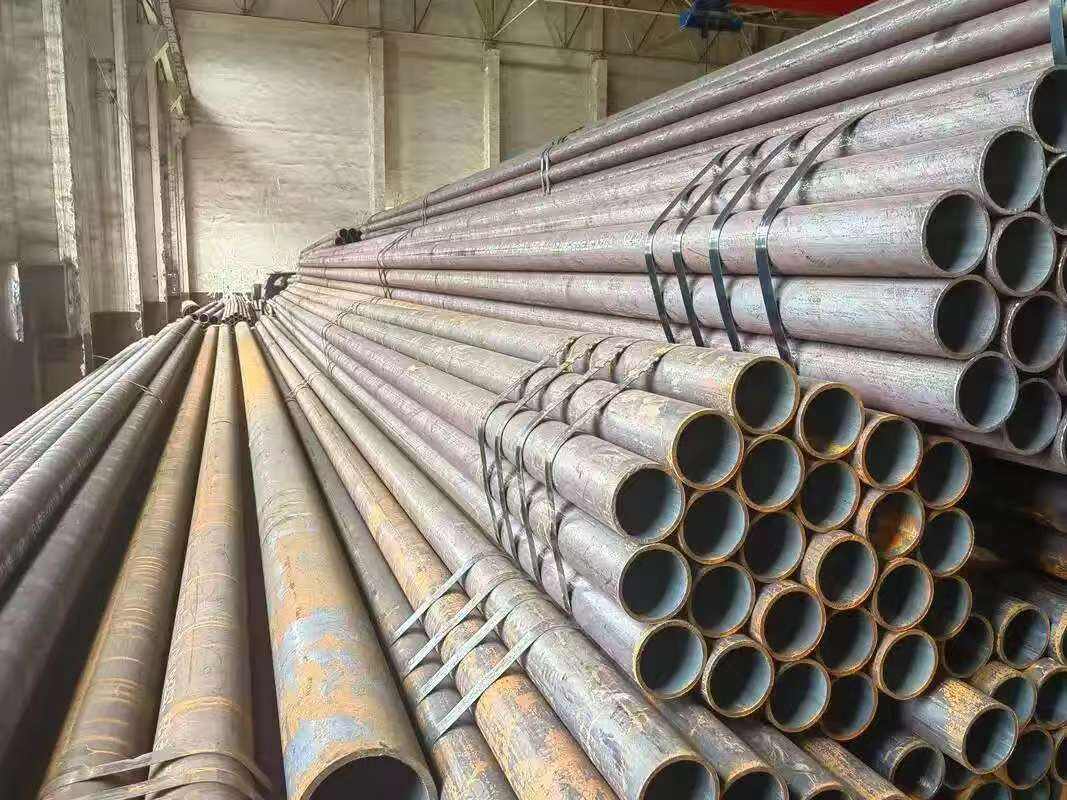
Steel building trusses represent a fundamental component in modern construction, serving as the backbone of structural support systems. These engineered frameworks consist of interconnected steel members arranged in triangular configurations, designed to distribute loads effectively across buildings. The primary function of steel trusses is to support roofs, floors, and other structural elements while spanning large distances without intermediate supports. Modern steel trusses incorporate advanced engineering principles, utilizing high-strength steel and precise manufacturing techniques to achieve optimal performance. They're available in various configurations, including parallel chord, bowstring, and pitched trusses, each suited for specific applications. The technological features include computer-aided design for precise specifications, galvanized or powder-coated finishes for durability, and standardized connection systems for efficient installation. These trusses find extensive applications in commercial buildings, industrial facilities, sports arenas, and agricultural structures. Their versatility allows architects and engineers to create expansive, column-free spaces while maintaining structural integrity and meeting building codes. The integration of Building Information Modeling (BIM) technology has revolutionized truss design and installation, enabling better coordination and reduced construction time.


 EN
EN