 EN
EN
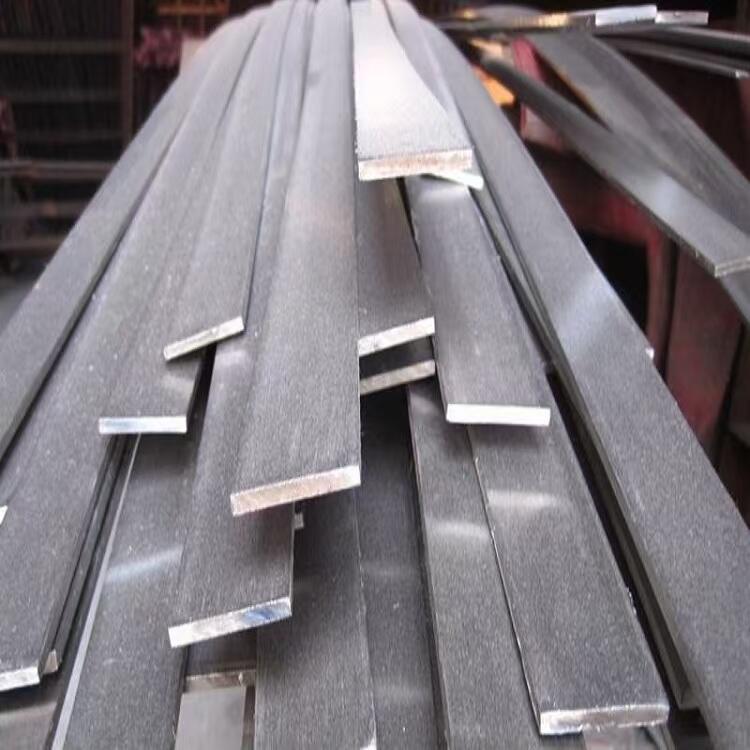
Wanneer dit kom by buitestruktuurprojekte, is materiaalkeuse een van die mees gevolgryke besluite wat 'n ingenieur, kontrakteur of inkopiebestuurder sal neem. Blootstelling aan reën, vogtigheid, temperatuurswisselings en UV-straling plaas 'n geweldige spanning op strukturele komponente met verloop van tyd. Van die beskikbare opsies, verbindingsstaal het dit konsekwent bewys dat dit 'n betroubare, koste-effektiewe en tegnies gesonde keuse is vir toepassings wat langtermynprestasie in uitdagende buite-omgewings vereis.
Die redes agter hierdie voorkeur is nie bloot tradisioneel of gewoontematig nie. Dit berus op materiaalkunde, lewensiklus-ekonomie en werklike prestasie-data wat oor dekades van industriële en siviele bougebruik versamel is. Om te verstaan hoekom gegalvaniseerde staal die verkose strukturele materiaal vir buitegebruik is, vereis 'n nouer kyk na wat die galvaniseringsproses werklik lewer, hoe dit met onbehandelde alternatiewe vergelyk word, en watter spesifieke projekomstandighede dit die mees rasionele keuse maak vir bouers sowel as spesifiseerders.
Die Wetenskap Agter Gegalvaniseerde Staal en Korrosiebestandheid
Hoe die Galvaniseringsproses Werk
Versterkte staal word vervaardig deur 'n beskermende sinklaag op die oppervlak van staal aan te bring deur 'n proses wat bekend staan as warm-dompel-vergalfing. In hierdie proses word skoon gemaakte en voorbereide staal in 'n bad van gesmelte sink wat ongeveer 450 grade Celsius is, ondergedompel. Die sink bind metallurgies met die staaloppervlak om 'n reeks sink-ysterlegeringslae te vorm wat afgesluit word deur 'n suiwer sink-buite-laag. Dit is nie verf of 'n oppervlakfilm nie — dit is 'n gebonde metaalbekleding wat 'n deel van die staal self word.
Die gevolglike struktuur gee galvaniseerde staal sy kenmerkende eienskap: 'n barrier wat fisies voorkom dat vog en suurstof die onderliggende staal bereik. Selfs as die oppervlak gekrap of meganies beskadig is, verskaf die sinkbedekking katodiese beskerming, wat beteken dat die sink homself elektrochemies opoffer om die blootgestelde staal daaronder te beskerm. Hierdie selfherstellende meganisme is een van die primêre redes waarom galvaniseerde staal beter presteer as geverfde of bedekte alternatiewe in buitelugomgewings waar oppervlakbeskadiging met tyd onvermydelik is.
Die dikte van die sinkbedekking kan tydens produksie beheer word om spesifieke prestasievereistes te bevredig. Dikker bedekkings word gebruik vir hoogs korrosiewe omgewings soos kusgebiede of industriële areas, terwyl standaardbedekkings geskik is vir algemene buitelugstrukturele toepassings. Hierdie aanpasbaarheid maak galvaniseerde staal toepaslik vir 'n wye reeks projekspesifikasies sonder dat spesiale legerings of eksotiese materiale benodig word.
Hoekom Sink die Regte Beskermende Element vir Strukturele Staal is
Sink is nie 'n arbitrêre keuse vir die beskerming van staal nie. Dit staan laer as yster op die galvaniese reeks, wat beteken dat dit voorkeurlik korrodeer wanneer albei metale in 'n elektrolitiese omgewing teenwoordig is. Hierdie elektrochemiese verhouding vorm die grondslag van katodiese beskerming en is wat gegalvaniseerde staal uniek roesbestand maak, selfs wanneer die bedekking beskadig is. Ander bedekkingstelsels, soos verf of epoksied, berus heeltemal op barrièrbeskerming en bied geen elektrochemiese verdediging nie sodra die bedekking breek.
Sink vorm ook 'n stabiele patina wanneer dit aan die atmosfeer blootgestel word. Met verloop van tyd reageer die buitenste sinklaag met koolstofdioksied en vog om sinkkarbonaat te vorm, 'n harde, hegte laag wat verdere korrosie aansienlik vertraag. Hierdie natuurlike passiveringsproses beteken dat gegalvaniseerde staal in baie buitelugomgewings werklik met ouderdom meer stabiel word, eerder as om teen 'n konstante tempo af te breek. Vir strukturele toepassings waar onderhoudstoegang beperk of duur is, is hierdie self-stabiliserende gedrag 'n beduidende praktiese voordeel.
Strukturele Prestasie en Laa- Draagvermoë
Behoud van Strukturele Integriteit met Verloop van Tyd
Buitenskose strukturele projekte — of dit nou brûe, oordragtoringe, industriële platforms, landbougeboue of ondersteuningsraamwerke is — vereis materiale wat hul lasdraende vermoë vir dekades behou. Korrosie is die primêre meganisme waardeur staal sy strukturele integriteit verloor, en dit gebeur progressief en dikwels onsigbaar totdat mislukking 'n risiko word. Verbindingsstaal adres hierdie bedreiging direk deur die korrosietempo drasties te verlaag, wat die deursnee-oppervlakte en meganiese eienskappe van die staal vir die volle ontwerp-lewensduur van die struktuur bewaar.
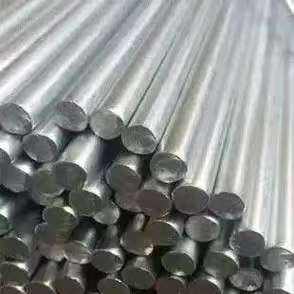
In praktiese terme behou versterkte struktuurlede van galvaniseerde staal, soos hoekstaal, kanaalstaal en balks, hul gewaardeerde treksterkte en vloeisterkte baie langer as onbekleede ewewigtiges wat buite blootgestel word. Dit is nie 'n marginale verbetering nie — in matig korrosiewe omgewings kan galvaniseerde staal 50 jaar of meer met minimale onderhoud duur, terwyl onbekleede staal beduidende ingryping binne 10 tot 15 jaar mag vereis. Vir projekbesitters wat die totale eienaarskapskoste bereken, is hierdie verskil beduidend.
Die eenvormigheid van die sinklaag wat deur warm-dompelgalvanisering verkry word, verseker ook dat beskerming konsekwent oor die hele oppervlak is, insluitend rande, hoeke, lasverbindings en binne-oppervlaktes van hol afdelings. Dit is presies die areas waar geverfde lae gewoonlik eerste faal, wat die mees struktureel kritieke areas blootstel. Galvaniseerde staal elimineer hierdie kwesbaarheid deur die hele komponent te beklee, nie net die sigbare plat oppervlaktes nie.
Verenigbaarheid met standaard strukturele staalgrade
Gegalvaniseerde staal is beskikbaar in 'n wye reeks standaard strukturele grade, insluitend Q235B en Q345B, wat onder die mees algemeen gebruikte grade in konstruksie en industriële vervaardiging val. Hierdie grade bied goed-gedefinieerde meganiese eienskappe — vloeipuntsterkte, treksterkte, rekking en impaktaaiheid — waarop ingenieurs staatmaak vir strukturele berekeninge. Die galvaniseringsproses verander nie hierdie kernmeganiese eienskappe op enige beduidende wyse vir standaard strukturele toepassings nie, wat beteken dat ontwerpers gegalvaniseerde staal kan spesifiseer sonder om lasvermoëns opnuut te bereken of strukturele ontwerpe te wysig.
Hierdie versoenbaarheid met standaardgraders vereenvoudig ook die inkopies- en voorsieningskettingbestuur. Versterkte staal in algemene profiele soos hoekstaal, platstaal en strukturele afdelings is wyd beskikbaar by gevestigde vervaardigers, en standaardafmetings stem ooreen met onbekleede ewewigtiges. Projekspanne hoef nie spesialiteitsmateriale te bekom of verlengde lewertermyne te aanvaar nie net omdat hulle versterkte staal vir korrosiebeskerming gekies het nie.
Lewenssikluskostelvoordele van Versterkte Staal in Buitetoepassings
Vermindering van onderhoudskoste oor die projeklewensduur
Een van die mees oortuigende redes om versterkte staal vir buitelug-strukturele projekte te kies, is die dramatiese vermindering in onderhoudskostes oor die struktuur se dienslewe. Strukture wat met onbeklede of geverfde staal gebou word, vereis periodieke inspeksie, oppervlakvoorbereiding en herverf om korrosie te voorkom wat die strukturele integriteit sou kan kompromitteer. In buitelomgewings kan herverf-siklusse so gereeld as elke vyf tot tien jaar voorkom, afhangende van die blootstellingsomstandighede, en elke siklus behels arbeidskoste, materiale, toegangsapparatuur en stilstandkostes wat aansienlik oor dekades opstapel.
Versterkte staal, daarenteen, vereis gewoonlik geen aktiewe onderhoud vir die grootste deel van sy dienslewe in standaard buitelugomgewings nie. Die sinkbedekking beskerm die staal voortdurend sonder ingryping, en die natuurlike patina-vorming verleng die effektiewe beskermingsperiode verder. Vir strukture in afgeleë ligging, op verhoogde posisies of in kontinue-gebruik industriële omgewings waar onderhoudstoegang moeilik is of bedryfsversteurend, vertaal hierdie lae-onderhoud eienskap direk na kostebesparings en verminderde bedryfsrisiko.
Wanneer lewensikluskosteanalises uitgevoer word om versterkte staal met geverfde staal of alternatiewe materiale te vergelyk, toon versterkte staal konsekwent 'n laer totale eienaarsskost oor periodes van 25 jaar of meer. Die hoër aanvanklike materiaalkoste relatief tot onbeklede staal word gewoonlik binne die eerste onderhoudsiklus herwin wat versterkte staal heeltemal vermy. Vir projek-eienaars met lang beleggingshorisonne is hierdie ekonomiese logika voor die hand liggend en word dit goed ondersteun deur bedryfsdata.
Vermyding van Vroegtydige Vervanging en Strukturele Herstel
Vroegtydige strukturele mislukking of die behoefte aan vroeë komponentvervanging is een van die duurste uitkomste in konstruksieprojekbestuur. Wanneer korrosie ’n strukturele lid kompromitteer, is die koste nie beperk tot die vervangingsmateriaal self nie — dit sluit ingenieursbeoordeling, toegang en steigers, arbeid vir verwydering en installasie, moontlike projekonderbrekings en in sommige gevalle regulêre nakomingvereistes in. Versinkte staal verminder die waarskynlikheid van hierdie scenario aansienlik deur die betroubare dienslewe van strukturele komponente aansienlik te verleng bo wat onbeklede alternatiewe kan bereik.
In sektore soos nutsdienste, vervoerinfrastruktuur en industriële fasiliteite kan die indirekte koste van strukturele mislukking of gedwonge onderhoudstoevalle veral die direkte materiaalkoste oorskry. Die spesifikasie van versinkte staal vanaf die begin is 'n risikobestuurbesluit net soveel as 'n materiaalkeusebesluit. Dit verminder die waarskynlikheid van onbeplande ingrypings en verskaf projek-eienaars met groter vertroue in die langtermynprestasie van hul belegging.
Toepassingstoepaslikheid oor buitelug-strukturele kontekste
Industriële en Infrastruktuur-toepassings
Versterkte staal word wyd gebruik in industriële en infrastruktuurkontekste waar buiteblootstelling aanhoudend is en strukturele betroubaarheid nie onderhandelbaar is nie. Oordraglyn-toringe, onderstasie-strukture, snelweg-veiligerhede, brugkomponente en industriële loopplate en platforms behoort tot die mees algemene toepassings. In elke van hierdie kontekste maak die kombinasie van strukturele sterkte, korrosiebestandheid en lae onderhoudsvereistes versterkte staal die tegnies en ekonomies verkose materiaal.
Hoekstaal wat uit versterkte staal vervaardig word, kom veral gereeld voor in traliewerkstrukture, ondersteuningsraamwerke en verstewigingstelsels waar die profiel se geometrie doeltreffende belastingoordrag in verskeie rigtings verseker. Die beskikbaarheid van versterkte hoekstaal in 'n reeks diktes — van 3 mm tot 8 mm en verder — laat ingenieurs toe om die toepaslike profiel vir die spesifieke belasting- en spanvereistes van elke toepassing sonder om korrosiebeskerming te kompromitteer.
In kus- en see-aanliggende omgewings, waar soutbelaaide lug korrosie dramaties versnel, bied galvaniseerde staal met dikker sinklae 'n vlak van beskerming wat geverfde staal eenvoudig nie oor lang periodes kan ewenaar nie. Fasiliteite soos hawe-strukture, offshore-ondersteuningsgeboue en kusindustriële aanlegte spesifiseer gereeld galvaniseerde staal vir hierdie rede, en aanvaar die beskeie prysopslag in materiaalkoste as 'n reguit belegging in duurzaamheid.
Landbou-, kommersiële en siviele bougebruike
Benewens swaar nyd en infrastruktuur speel galvaniseerde staal 'n belangrike rol in landboukonstruksie, kommersiële gebou-raamwerke en burgerlike projekte soos keerwalle, heiningstelsels en voetgangerstrukture. In landbouomgewings veroorsaak blootstelling aan vog, bemestingsmiddels en diereafval 'n veral aggressiewe korrosiewe omgewing. Galvaniseerde staalstruktuurkomponente in stalles, kasgewasse en bergfasiliteite weerstaan hierdie toestande baie effektiewer as alternatiewe, wat die frekwensie van strukturele herstel- en vervangingswerk wat boerderybedrywighede ontwrig, verminder.
Kommersiële bouprojekte wat buiteruimtelike strukturele elemente insluit — soos skuilings, buiteruimtelike trappe, laai-dok raamwerke en toestelondersteuningsstrukture — voordeel van die kombinasie van galvaniese staal se estetiese aanvaarbaarheid en funksionele duurzaamheid. Die silwer-grys voorkoms van galvaniese staal is visueel neutraal en versoenbaar met die meeste argitektoniese afwerking, en dit kan geverf word indien 'n spesifieke kleur vereis word, wat ontwerpers buigsaamheid gee sonder om die onderliggende korrosiebeskerming te kompromitteer.
Siviele konstruksietoepassings soos grondspeldmuur, grondanker en dreineringkanaalraamwerke vertrou ook op versinkte staal waar langtermyn ondergrondse of gedeeltelik blootgestelde prestasie vereis word. Die vermoë van versinkte staal om korrosie in kontak met grond — veral in matig suur of alkaliese grond — te weerstaan, brei sy bruikbaarheid verder uit as bokant-grondstrukturele toepassings en versterk sy posisie as 'n veelsoortige materiaal vir die volle reeks buitelug-siviele werke.
Omvang- en volhoubaarheidsbeperkinge
Herwinbaarheid en materiaaleffektiwiteit
Versterkte staal is ten volle herwinbaar aan die einde van sy dienslewe. Sowel die staalsubstraat as die sinkbedekking kan deur middel van standaard-staalherwinningsprosesse teruggewin en herproses word. Sink word tydens die staalvervaardigingsproses geskei en teruggewin vir hergebruik, wat beteken dat die omgewingsinvesterings in die versterkingsproses nie verlore gaan wanneer die struktuur uiteindelik buite werking gestel word nie. Hierdie geslote-lus-herwinningsvermoë bring versterkte staal in lyn met die beginsels van die sirkelvormige ekonomie wat toenemend belangrik is in openbare verskaffings- en korporatiewe volhoubaarheidsraamwerke.
Die verlengde dienslewe van versterkte staal dra ook by tot materiaaleffektiwiteit op 'n sistemiese vlak. 'n Struktuur wat 50 jaar sonder groot materiële vervanging duur, verbruik minder hulpbronne oor sy leeftyd as een wat na 20 jaar gedeeltelik of volledig vervang moet word. Wanneer ingeboude koolstof en hulpbronverbruik op 'n basis van per jaar van diens geëvalueer word, vergelyk versterkte staal dikwels gunstig met alternatiewe wat minder hulpbronintensief lyk by die vervaardigingspunt, maar wat meer gereelde vervanging vereis.
Verminderde chemiese onderhoudsbehoefte
Strukture gebou met gegalvaniseerde staal vereis aansienlik minder chemiese insette gedurende hul lewensduur in vergelyking met geverfde of bedekte staal alternatiewe. Herverfbedrywighede behels oplosmiddels, gryppers en boonste laag wat hul eie omgewingsvoetspoor dra, insluitend vluchtige organiese verbindingsvrystellings en vereistes vir die verwydering van gevaarlike afval. Deur die frekwensie van hierdie onderhoudswerk te elimineer of aansienlik te verminder, verminder gegalvaniseerde staal die kumulatiewe omgewingsimpak van die onderhoud van 'n struktuur oor dekades.
Hierdie vermindering in chemiese onderhoudsinsigte is veral relevant vir strukture geleë naby sensitiewe omgewings soos waterweë, moerasse of beskermde natuurlike areas, waar die gebruik van onderhoudschemikalieë beperk mag word of onderhewig aan regulêre toesig is. Die spesifikasie van versinkte staal in hierdie kontekste is nie net 'n omgewingsvoorkeur nie, maar kan ook 'n praktiese nakomingsstrategie wees wat projektoestemming en voortdurende bedryfsbestuur vereenvoudig.
VEE
Hoe lank duur versinkte staal buite-omgewings?
Die dienslewe van versinkte staal in buitelugomgewings hang af van die dikte van die sinkbedekking en die korrosiwiteit van die plaaslike omgewing. In landelike of voorstedelike omgewings met matige vogtigheid gaan strukturele komponente van versinkte staal gewoonlik 50 jaar of meer voordat die sinkbedekking so ver afgebreek is dat onderhoud vereis word. In meer aggressiewe omgewings soos kus- of industriële gebiede kan die dienslewe korter wees, maar dit bly steeds aansienlik langer as onbedekte of geverfde staalalternatiewe. Die spesifikasie van 'n dikker sinkbedekking vir hoë-korrosiwiteit-omgewings is 'n standaardpraktyk wat die dienslewe ooreenkomstig verleng.
Kan versinkte staal na versink word vasgelas en vervaardig?
Gegalvaniseerde staal kan gelas word, maar laswerk na galvanisering verbrand die sinkbedekking in die hitte-geaffekteerde sone, wat die lasarea onbeskerm laat. Om hierdie rede word strukturele vervaardiging gewoonlik voltooi voor galvanisering, sodat die voltooide samestelling 'n volledige en eenvormige sinkbedekking ontvang. Waar veldlaswerk van gegalvaniseerde staal onvermydelik is, moet die betrokke areas met sinkryke verf of 'n koue galvaniseringsverbinding behandel word om korrosiebeskerming te herstel. Voor-gegalvaniseerde staalseksies wat op die werf gesny of geboor word, moet ook soortgelyke behandelings aan die blootgestelde rande ontvang om beskermingskontinuïteit te handhaaf.
Is gegalvaniseerde staal geskik vir gebruik in kontak met beton of grond?
Versterkte staal met 'n sinkbedekking presteer goed in kontak met beton en in die meeste grondtoestande. In beton ondersteun die alkaliese omgewing eintlik die stabiliteit van die sinkbedekking, en versterkte staal met 'n sinkbedekking of ingebedde strukturele elemente word wyd gebruik in siviele bou. In kontak met grond hang die prestasie af van die grondsamestelling — versterkte staal met 'n sinkbedekking is geskik vir die meeste neutrale tot effens alkaliese gronde, maar hoogs soutsuurgronde of gronde met 'n hoë chloriedinhoud kan die verbruik van sink versnel. 'n Geotegniese assessering van die grondtoestande word aanbeveel wanneer versterkte staal met 'n sinkbedekking vir ondergrondse strukturele toepassings gespesifiseer word.
Hoe vergelyk versterkte staal met 'n sinkbedekking met roestvrystaal vir buitemuur-strukturele gebruik?
Roestvrystaal bied uitstekende korrosiebestandheid in die mees aggressiewe omgewings, veral dié wat chloriesblootstelling behels soos see-spat-sondes of chemiese verwerkingsfasiliteite. Roestvrystaal het egter 'n beduidend hoër materiaalkoste en is nie altyd nodig vir standaard buitelug-strukturele toepassings nie. Verwermde staal verskaf toereikende en dikwels uitstekende korrosiebeskerming vir die groot meerderheid buitelug-strukturele toepassings teen 'n breukdeel van die koste van roestvrystaal. Die keuse tussen die twee moet gebaseer wees op 'n realistiese beoordeling van die korrosiewe omgewing, die vereiste dienslewe en die totale lewenssikluskoste eerder as 'n outomatiese voorkeur vir een van die twee materiale.

